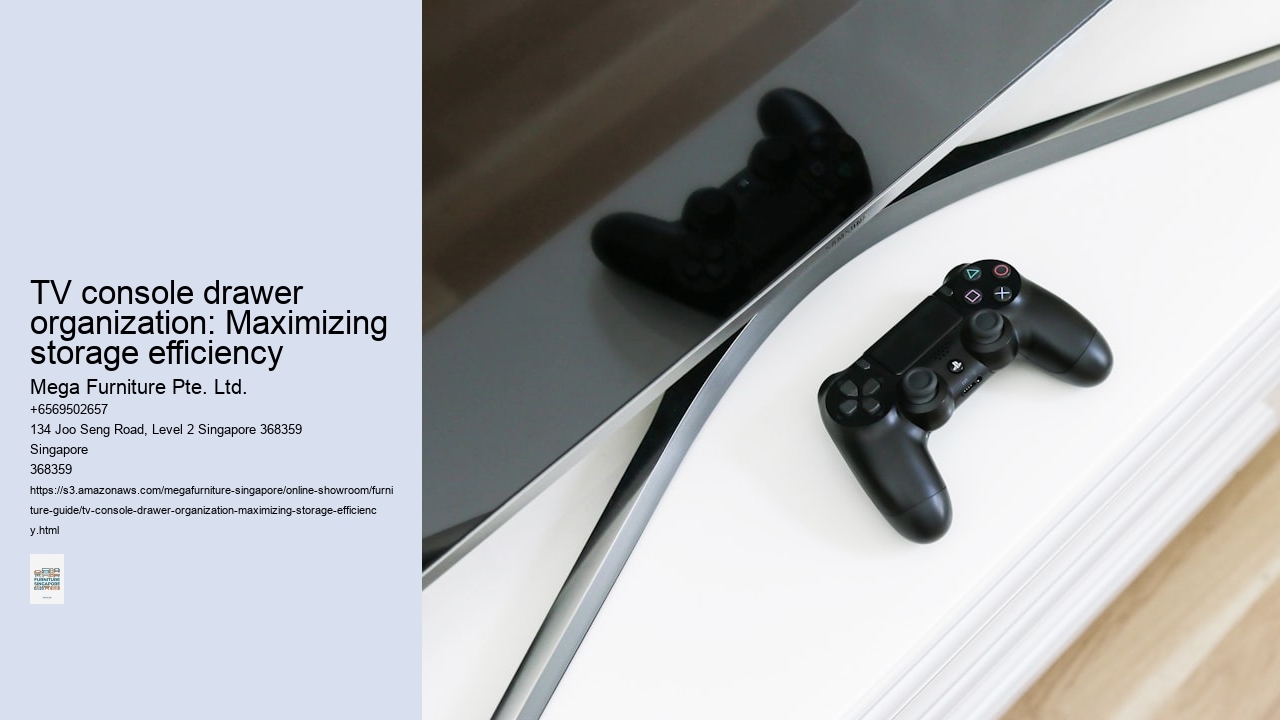
That faint musty smell in a Pasir Ris ground-floor flat isn’t just the monsoon drain outside—it’s your particleboard TV console quietly absorbing 80% humidity, its edges slowly swelling like stale bread. In Singapore’s climate, your furniture’s material composition isn’t an aesthetic choice; it’s a durability contract. Particleboard, a common budget option, is particularly vulnerable, its compressed wood fibres prone to irreversible expansion and warping under consistent dampness; that’s why laminated MDF or solid wood pieces are the pragmatic choice for a long-term investment.
Laminated MDF, where a moisture-resistant melamine layer is fused to medium-density fibreboard, creates a formidable barrier against ambient moisture. The critical detail, however, lies in the edges. Check for consistent, thick laminate wrapping completely around every panel, especially on the underside and rear—areas often overlooked but directly exposed to rising damp from tiled floors and walls. A poorly sealed edge is an invitation for humidity to wick into the core, guaranteeing failure within a couple of years.
For hardware, the relentless open-and-shut of daily use demands more than basic rollers. Soft-closing, full-extension drawer runners aren’t just a luxury; in a high-use family living room, they prevent the jarring impacts that loosen screws and misalign fronts over time. Sturdy, corrosion-resistant hinges and mounting plates are equally non-negotiable, as the salt-laden air can degrade cheap metals surprisingly fast. It’s a simple equation: robust hardware paired with a stable carcass means the console won’t sag under a 75-inch TV or give up when you’re fishing for a charger.
While solid teak or oak is superb, it commands a premium; for most budgets in a 4-room BTO, a well-executed laminated MDF unit from a collection that prioritises build will serve brilliantly. Just run your finger along every seam—if you feel a ridge or a spongy give, walk away. The best console for your media wall isn’t the one that looks perfect in the showroom, but the one that still opens smoothly after three consecutive rainy seasons in Bedok.
That 180-centimetre console looks lost and stubby beneath a 75-inch screen — it’s a common misjudgement that throws off the entire media wall's balance. Buyers often match console length to TV width alone, forgetting the visual weight of the unit’s legs and its placement in a 4-room BTO living room. The console should extend at least a few inches beyond the TV’s footprint on each side to anchor the setup properly; otherwise, the television appears precariously top-heavy. Aim for a console around 200 to 220 centimetres for a 75-inch model, creating a stable, intentional foundation. It’s not just about fitting the tech; it’s about crafting a cohesive focal point.
Deep, cavernous drawers become black holes for cables and remotes — you’ll rummage for five minutes to find a single HDMI adapter. The appeal of maximising cubic storage is understandable in space-starved flats, but depth without organisation is just hoarding behind a facade. Shallow compartments, around 15 to 20 centimetres deep, force a discipline that keeps frequently used items like game controllers and charging banks accessible. Pair these with a few deeper bays for bulkier items, creating a hierarchy of storage that actually gets used daily. Deep drawers only work if you’re willing to install custom dividers, which most buyers aren’t.
Relying solely on drawers ignores the reality of living room clutter, which includes board game boxes, portable fans, and the dog’s leash. A thoughtful console combines enclosed drawers for visual calm with open or glass-fronted shelves for items grabbed weekly. The shelf space, often dismissed as merely decorative, is perfect for storing a Nintendo Switch dock or a router that needs ventilation — things you use often but don’t want on display. This hybrid approach acknowledges that a console is a household utility cabinet, not just an AV rack. It’s the difference between a piece of furniture that fights your lifestyle and one that accommodates it.
Buyers select a console for today’s soundbar and single game console, then face a dilemma next year when they add a media streamer, a second controller dock, or a baby monitor base. Storage needs evolve, especially in family flats where electronics accumulate steadily. Choosing a unit with adjustable shelves and a mix of compartment sizes — some tall, some wide — provides the flexibility to reconfigure as your gadget collection changes. It’s a lesson in planning for the next five years, not just the installation weekend. That fixed-shelf bargain often becomes a costly constraint.
Cramming a console into an alcove or tight corner might fit the floor plan, but it renders half the storage useless if doors can’t swing open fully. In many HDB layouts, that leaves you with a permanent blind spot behind a partially opened drawer, perfect for losing the Apple TV remote. Consider the swing radius of hinged doors or the full extension required for deep drawers before committing to a placement. Floating consoles can help, offering easier floor access, but they still need clearance for you to kneel and reach inside. The most elegant console is frustrating if it’s functionally inaccessible in your specific room.
The showroom’s track lighting can be deceptive, revealing every nuance of a timber’s grain or highlighting a veneer’s sheen in a way your living room’s downlights won’t. Run your hand along the surface; you’re checking for texture consistency and any subtle colour variation between panels that online photos simply won’t show. That solid rubberwood console might look perfect under the bright LEDs, but you’ll want to see how its oak finish holds up in the softer, warmer light typical of a 4-room BTO’s living area.
Practical testing is non-negotiable. Don’t just slide the drawers — load them. A drawer that glides empty is no guarantee; place a few hardcover books, a gaming console, and some board games inside to test its weight capacity and suspension. Then, mock up your media setup: bring a spare Singtel or Starhub set-top box and its power brick to verify the cable management cut-outs and rear channels actually accommodate the proprietary plugs. You’ll often find that a grommet hole advertised as ‘universal’ is just a fraction too small for a specific adapter.
Seeing the full 120–240cm range in person is the only way to properly judge proportion for your specific wall. A 180cm console might seem modest on a vast showroom floor, but it could dominate a narrower HDB media wall. Conversely, a 240cm model that looks imposing under high ceilings might provide the perfect anchored scale for a large condo living room. This spatial calibration is impossible from a website’s dimensions table.
It’s a straightforward exercise, but one that saves considerable frustration later. You’re not just browsing; you’re conducting a due diligence check on finish, function, and final fit for what becomes a central fixture in the home. The true test of a console’s organisation promise happens when you’re wrestling with cables and remotes six months in, not when you’re admiring it in a pristine showroom. For a closer look at the options available, you can browse Megafurniture’s collection.
That long, low box you’ve ordered won’t just materialise in your living room. It’s a logistical puzzle, starting with your HDB lift lobby. The standard lift door width in newer BTOs is around 90cm, but the interior depth can be surprisingly shallow — you’ll need to confirm both dimensions for a 200cm console, especially if it arrives fully assembled. Delivery crews are adept at navigating these spaces, but a quick chat with your condo management or a glance at the BTO specs can prevent a costly, frustrating standoff at your doorstep. Once inside, the real work begins. Self-assembly might seem like a way to save a few hundred dollars, but the risk is a visibly misaligned piece that throws off your entire media wall. These consoles are long and heavy; getting the centre support leg perfectly positioned or ensuring the drawer rails are level across a two-metre span is finicky work. Paid professional assembly is typical for a reason — it’s an insurance policy against a lopsided focal point in your 4-room BTO living room. Warranty terms, then, become a tangible signal of quality. A minimum 12-month warranty on the cabinet structure is standard, but it’s the five-year coverage on drawer mechanisms that should catch your eye. That’s manufacturer confidence. It means the daily grind of accessing game controllers, remote batteries, and charging cables won’t result in a sagging or derailed drawer in a couple of years. For families, that longevity is non-negotiable. Consider the warranty a roadmap for future support, too. Reputable retailers will handle claims locally, which spares you the nightmare of coordinating with an overseas factory. Keep your invoice and the assembly checklist; a photo of the serial number tag, often inside a drawer, doesn’t hurt. It’s boring admin, but it’s what turns a promise into actual service when you need it. You can explore a range of options designed for local spaces at
Megafurniture’s TV console collection, where dimensions and assembly services are clearly listed. Just remember, the right console isn't just about style — it's about surviving the journey from the truck to your Tampines living room, and then the next five years of use.
The most revealing questions about TV consoles aren’t about colour or style — they’re about the daily realities of living with one. Here’s how material choices and configurations address specific homeowner headaches.
Can a console fit my Sonos Arc soundbar? Absolutely, but you’ll need to check the open shelf height. The Sonos Arc is roughly 11.4cm tall, so ensure your console’s dedicated media shelf has at least 12cm of clearance. Many modern consoles designed for soundbars offer a centre compartment around 13-15cm high; avoid models with only drawers or fully enclosed cabinets, which will muffle the upward-firing speakers.
How do I prevent scratches from dog claws on the finish? Skip soft, matte laminates and thin veneers. Opt for a console with a textured, scratch-resistant surface like sintered stone or a high-pressure laminate with a pronounced grain. A solid wood console in oak or walnut can also work — light surface scratches can often be sanded and re-oiled, becoming part of the patina over time, which is a practical bonus for pet owners.
What’s best for hiding children’s toy clutter? Deep, full-extension drawers beat cupboards every time. A console with two or three large-format drawers, each around 50cm wide and 40cm deep, can swallow Lego sets, art supplies, and board games in seconds. The trick is to avoid small, compartmentalised storage; one large cavity lets you just sweep everything in before guests arrive, a manoeuvre perfected in many 4-room BTO living rooms.
Wall-mounted versus floor-standing for HDB concrete walls? This is a structural question, not an aesthetic one. Proper wall-mounting into a concrete HDB wall requires a professional with a rotary hammer drill and concrete anchors; it’s permanent and maximises floor space for cleaning. A floor-standing console offers flexibility if you might rearrange the room later, and its solid back panel can conceal cable chaos just as well. The real deciding factor is whether you’re willing to drill — and if your landlord isn’t.
The final step before you head to a showroom often gets rushed — you're excited, you've browsed online, and you just want to see the piece. That’s when you end up in a cavernous space, staring at a beautiful 200cm console that’s clearly too long for your wall, with no idea if your soundbar will even fit inside. The trip becomes a guess, not a confirmation. Avoid that.
Start with a tape measure and your phone’s camera. Measure the exact length of your wall, not just the TV’s width. A 65-inch TV typically needs a console around 160cm to look proportional, but a 4-room BTO feature wall might only have 180cm of usable space. Then, list every single item destined for storage: media player, gaming consoles, router, a stack of board games, charging cables, the Wi-Fi booster. Quantify it. This list determines whether you need deep drawers, open cubbies, or a combination of both.
Your primary need is binary: display or absolute concealment. A design-focused shopper in a Bukit Timah condo might want open shelving for art books and a curated vinyl collection — the console as a feature. A family in a Punggol executive flat, however, usually needs everything hidden behind solid doors or soft-close drawers; toddler toys and tangled cables aren’t decor. You can’t have both equally, so decide which function gets priority.
Bring that evidence with you. Have your room dimensions, photos of your existing setup (showing socket locations and cable chaos), and the component list on your phone. At the showroom, you can pull out the tape measure against actual units, test drawer glide with your hand, and see if that sleek, low-profile design really swallows an Xbox Series X. It turns abstract choice into direct comparison. You’ll know immediately if the 50cm depth you liked online leaves three centimetres of cables spilling out the back.
For a concrete range to start that comparison, from compact 120cm units for 40-inch TVs to substantial 240cm media walls, you can browse the options at Megafurniture’s collection. Just bring your numbers.
The HDB hallway living room, often around 12 sqm, isn't just a smaller version of a landed home's media wall-it's a different beast entirely. Here, every centimetre of console length, height, and depth must correspond precisely to the wall, or you'll suddenly find yourself side-stepping a protruding cabinet corner for the next decade. In a landed property, you might spec a 240cm monolithic media wall; in a typical 4-room BTO, a 180cm unit is often the maximum before it visually consumes the space.
That cramped fit leads to a very specific, very common frustration: blocked power outlets. Builders often place sockets at shin-height, exactly where a console's solid back panel wants to go. It's a classic HDB puzzle-you either leave a frustrating gap for dust and cables, or you hunt for designs with integrated back-panel cutouts or a false back for clean cabling channels. A TV console anchors the wall opposite the sofa in the same way a tall bookshelf anchors a corner — long horizontal piece, mix of open and closed storage, defines the visual weight of one whole side of the room. Megafurniture's TV Console range covers floating wall-mounted designs, low-profile freestanding consoles, and modular feature-wall configurations. Most pieces sit at 40-50cm height, sized for screens up to 75 inches.. The latter is a quieter upgrade that pays off daily, hiding that inevitable tangle of HDMI and power cords without sacrificing the outlet.
Depth is another silent differentiator. A 45cm deep console might fit a landed home's proportions, but in that 12 sqm room, it can make the walkway feel pinched. Many opt for slimmer profiles around 35-40cm, trading some interior storage volume for precious breathing space. Height matters, too; a standard 50cm tall unit might perfectly frame a 55-inch TV in a condo, while a lower, longer 40cm high design can help a smaller room feel more expansive.
Material choices follow suit. In a humid, high-traffic HDB, easy-clean sintered stone or lacquered MDF often beats a fussy solid wood that might warp. You're not just buying furniture; you're selecting a workhorse for your family's centre of gravity. For those measuring up, browsing the options at Megafurniture's collection reveals how proportions shift-the 180cm rubberwood consoles with cable ports suit compact flats, while the 220cm oak-veneer media units cater to condo layouts.
Ultimately, the right console isn't about the TV it holds, but the room it lives within. Get the proportions wrong, and it's a constant nuisance; get them right, and the unit disappears, leaving you with just a clean wall and your favourite show.
The HDB hallway living room, often around 12 sqm, isn't just a smaller version of a landed home's media wall—it's a different beast entirely. Here, every centimetre of console length, height, and depth must correspond precisely to the wall, or you'll suddenly find yourself side-stepping a protruding cabinet corner for the next decade. In a landed property, you might spec a 240cm monolithic media wall; in a typical 4-room BTO, a 180cm unit is often the maximum before it visually consumes the space.
That cramped fit leads to a very specific, very common frustration: blocked power outlets. Builders often place sockets at shin-height, exactly where a console's solid back panel wants to go. It’s a classic HDB puzzle—you either leave a frustrating gap for dust and cables, or you hunt for designs with integrated back-panel cutouts or a false back for clean cabling channels. The latter is a quieter upgrade that pays off daily, hiding that inevitable tangle of HDMI and power cords without sacrificing the outlet.
Depth is another silent differentiator. A 45cm deep console might fit a landed home's proportions, but in that 12 sqm room, it can make the walkway feel pinched. Many opt for slimmer profiles around 35-40cm, trading some interior storage volume for precious breathing space. Height matters, too; a standard 50cm tall unit might perfectly frame a 55-inch TV in a condo, while a lower, longer 40cm high design can help a smaller room feel more expansive.
Material choices follow suit. In a humid, high-traffic HDB, easy-clean sintered stone or lacquered MDF often beats a fussy solid wood that might warp. You're not just buying furniture; you're selecting a workhorse for your family's centre of gravity. For those measuring up, browsing the options at Megafurniture's collection reveals how proportions shift—the 180cm rubberwood consoles with cable ports suit compact flats, while the 220cm oak-veneer media units cater to condo layouts.
Ultimately, the right console isn't about the TV it holds, but the room it lives within. Get the proportions wrong, and it’s a constant nuisance; get them right, and the unit disappears, leaving you with just a clean wall and your favourite show.