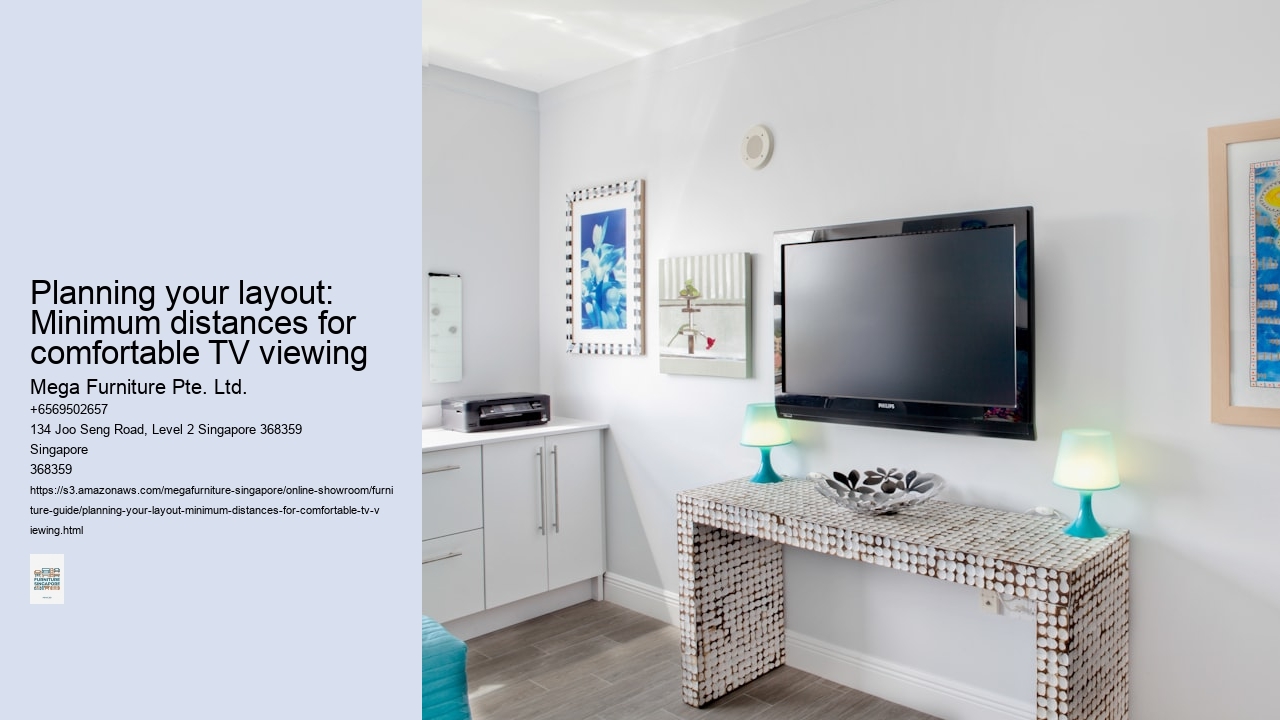
Singapore's humidity settles into your furniture like a guest who won't leave. It’s a constant 80% in many flats, which means any unsealed MDF in a wall-mounted console will eventually warp and swell — a slow, silent distortion that ruins clean lines and can even stress mounting hardware over time. That’s why material selection here isn’t just about aesthetics; it’s a practical defence against the climate.
Solid wood, like rubberwood or teak, handles the moisture far better, though you’ll still want a sealed finish. Treated plywood, with its laminated layers, is another robust option for the cabinet body. The finish itself is critical; look for lacquered, varnished, or properly painted surfaces that create a continuous barrier. A console with open-grain wood or untreated edges, common in some rustic designs, will absorb humidity like a sponge in a Tampines bathroom.
Metal components, particularly legs or brackets on floating designs, need their own protection. An anti-rust coating, whether powder-coated or galvanised, is non-negotiable — bare steel in a humid living room will show corrosion spots within months, often starting around screw holes or welds. It’s a detail many buyers overlook until the pitting appears.
For a wall-mounted unit that’s meant to last, the construction should feel substantial. Thin, hollow panels or flimsy backing boards are prone to failure. You want a sense of density in the doors and carcass, a heft that suggests it’s built for permanence in a 4-room BTO living room. The best options combine sealed solid materials with protected metalwork, creating a piece that resists the environment while holding your 65-inch TV and all its peripherals. You can find consoles engineered with these considerations in Megafurniture’s collection, which includes floating variants designed for local conditions.
The standard sofa seat height across Singapore's showrooms is 45cm. It's a figure you can bank on, whether you're looking at a compact sectional for a Punggol BTO or a sprawling leather piece for a landed home. That consistency is a gift for planning your media wall layout. You'll want your TV console to sit just a bit lower than this line for a comfortable sightline from your favourite spot. Ignore that, and you'll end up craning your neck up or down during a movie marathon. The goal is a seamless transition from screen to surface.
A 15cm drop from sofa seat to console top creates that perfect, relaxed viewing plane. For that 45cm seat, a 60cm high console does the trick. This offset isn't arbitrary; it positions the bottom of your TV screen at a natural resting point for your gaze. It's the difference between a setup that feels intentional and one that just feels off. In many homes, you'll see consoles that match the sofa height exactly, which actually forces your eyes to work harder. That subtle 15cm difference is what makes a room feel professionally composed.
This calculated offset establishes what designers call the primary viewing plane. It's the invisible horizontal band where your television, console, and seated eye level all harmonise. When your 65-inch TV is mounted with its centre at roughly 110cm from the floor, the bottom aligns beautifully with that 60cm console top. Your gaze sweeps across the room without jarring jumps. Getting this plane right is more crucial than choosing a flashy console finish, frankly, because it dictates long-term comfort. A misaligned plane is a mistake you notice every single evening.
Height directly influences a console's perceived bulk and storage logic. A 60cm high unit offers substantial concealed space for media players, game consoles, and cable nests without feeling squat. The top surface remains a practical landing zone for decor or a soundbar. Go much lower, and you sacrifice too much functional storage; go higher, and the piece starts to compete with the TV itself. In a typical 4-room BTO living room, this proportion keeps the wall feeling anchored but not overcrowded. It's the sweet spot where form meets everyday function.
Don't guess—measure from the finished floor to the compressed cushion of your sofa. That's the only seat height figure that matters. Use a metal tape, not a soft one, and check it at both ends in case your floor isn't perfectly level. Then subtract your desired 15cm offset to find your target console height. It's a five-minute task that prevents a years-long annoyance. You can then browse the options with a precise number in mind, filtering for pieces that fit your engineered sightline rather than just your aesthetic.
A 240cm console against a 3-metre wall leaves 30cm of dead space on each side — a visual imbalance that makes the entire feature wall look undersized, like a portrait hung too high. In compact living rooms, where every centimetre of wall width is a premium, that choice can throw the whole layout off-centre. The better approach is to measure your actual TV width, then select a console that extends at least 20–30cm beyond the screen on each side for a grounded, intentional look.
Cable management is often an afterthought, but it’s the detail that betrays a sleek setup. Buyers fixate on the console’s finish and forget to plan for the router’s blinking lights and the inevitable LAN cables snaking out the back. In many BTO living rooms, the fibre termination point is in a corner, forcing a choice between visible trunking or a console that awkwardly floats away from the wall to hide the mess. It’s a practical headache that glossy showroom photos never show.
Speaking of glossy finishes, they’re a magnet for dust and fingerprints in Singapore’s humid, high-traffic environments. A high-gloss white console in a family living room near Eunos MRT will show every smudge from supper and every speck of dust carried in from the corridor — turning a centrepiece into a daily cleaning chore. Matt or textured laminates, sintered stone, or even lightly grained wood veneers are far more forgiving; they hide the inevitable micro-mess of urban living.
The real mistake is treating the TV console as an isolated purchase. It’s the anchor of a zone that includes storage, display, and all the unsightly tech we depend on. Ignoring that ecosystem leads to a console that’s either visually overwhelming or functionally inadequate — a costly misstep in spaces where furniture can’t be easily replaced. For a curated range of sizes and sensible finishes, you can browse the options at Megafurniture’s collection.
The glossy oak veneer in your showflat photo rarely matches the actual piece under Singapore’s harsh afternoon sun. That’s the first reason to make the trip to Joo Seng; you need to see how the material’s grain and finish hold up under the specific, unforgiving light of a north-south facing HDB corridor or a west-facing condo window. A cool grey laminate online can skew greenish under warm-toned downlights, and a light wood might look washed out — these are the details that define a media wall’s final look, and they’re impossible to judge from a screen.
You’ll also want to test the mechanics. A wall-mounted console isn’t just for show; its drawers need to glide smoothly, fully loaded with a PlayStation, streaming boxes, and a tangle of cables. Open and close them a few times. Feel for any wobble or hesitation in the mechanism, and consider the weight. A cheap drawer sagging under an AV receiver is a common frustration in many homes, but it’s one you can avoid by checking the build in person.
Then there’s the spatial reality. Your own floor plan sketch, with its careful measurements for a 75-inch TV, might not account for the console’s true depth once the doors are opened 90 degrees. At the showroom, you can verify those dimensions against your sketch, ensuring there’s still comfortable walking space in a narrow 4-room BTO layout. It’s the difference between a console that fits and one that functions.
Ultimately, visiting lets you assess the piece as an object, not just an image. You can judge the solidity of its mounting system, the feel of the handle, and how its proportions work as a standalone feature. For a significant purchase that anchors your living room, that physical verification is invaluable. You can browse Megafurniture’s collection online for ideas, but the final decision should happen in the room.
The delivery crew’s worst enemy isn’t the staircase — it’s the 8:30am to 5:30pm lift upgrading works notice taped to the lobby pillar. For pre-1990s HDB blocks, that’s a real possibility; many older estates in neighbourhoods like Bedok or Toa Payoh are still on the schedule. If your chosen wall-mounted console arrives during those works, you’ll face a staircase delivery fee, typically calculated per floor and per bulky item. It’s a cost that can add $50 to $150 to your final bill, so confirming lift access timing with your retailer before confirming a delivery date isn’t just prudent, it’s essential. Once the box is in your 4-room BTO living room, you’re faced with the assembly question. A long, 200cm wall-mounted unit is a two-person job at minimum, requiring careful levelling and secure fixing to the concrete wall — it’s not a simple IKEA-style bookshelf. Many buyers opt for the retailer’s paid assembly service, which guarantees correct installation and often includes a basic wall check. Self-assembly can save you around $80 to $120, but that’s a false economy if your drill bit snaps on the reinforced concrete or the console ends up slightly crooked, a flaw that’s glaringly obvious on a clean media wall. Warranty coverage is another area where the fine print matters. Most warranties for furniture made from engineered wood or laminates will explicitly cover manufacturing defects like faulty drawer runners or peeling veneer. They typically won’t, however, cover swelling or warping from prolonged exposure to high humidity, which is considered an environmental factor in our climate. Physical impact damage from moving house or a rogue toy car is also almost always excluded. That’s why the warranty card for a
wall-mounted TV consoleis worth a quick scan — you’re looking for clarity on what ‘defects’ actually means in the context of your air-conditioned living room versus your helper’s drying area. For a substantial piece that’s both a focal point and a functional anchor, these logistical details are as critical as the colour or finish. A perfectly chosen console, delayed or damaged by a avoidable staircase haul, defeats the entire purpose of careful planning.
The most common buyer anxiety isn't about colour or price—it's about whether a console will physically fit and function in a specific, often awkward, HDB or condo wall space. These aren't hypotheticals; they're the exact queries we get from buyers measuring their feature walls with a sinking feeling.
Can a console span an entire HDB feature wall? Typically, yes. A standard BTO living room feature wall runs around 280 to 320cm, and many console ranges offer units up to 240cm or can be configured with modular extensions. The trick is leaving a 10-15cm buffer on each side for curtain stacks or just to let the wall breathe visually; a console that's exactly wall-to-wall can look cramped and installer-unfriendly.
What length for a 75-inch TV in a landed home media room? Aim for a console at least 180cm long. That larger room scale demands proportion, and a skimpy 150cm unit beneath a massive screen looks unbalanced—it also won't properly anchor your soundbar or components. For a secure tall unit against toddlers, floor-standing designs with a solid back panel and wall-anchor kits are non-negotiable; you’ll want to bolt both the console and the TV to the wall studs, because a climbing child treats furniture like a ladder.
Does a floating design work with mosaic tile walls? It’s a common headache in older resale flats. The answer is maybe, but it’s a specialist job. Hitting the substrate behind the tiles requires a contractor’s grade drill bit and precise mapping to avoid cracking; many installers will recommend a floor-standing console here to bypass the risk entirely. For a cleaner look across more typical walls, you can explore floating and wall-mounted options in Megafurniture’s collection, where specs include the required wall type.
The moment you've settled on a console model is precisely when the practicalities of your living room floor plan can undermine it. That 200cm walnut veneer unit looks perfect online, but it won't fit if your wall length is 195cm after accounting for a protruding door frame. Cross-reference your tape-measure figures against the cabinet's stated dimensions — and then against your TV's size. A 65-inch screen centred over a 120cm console leaves awkward gaps; the proportions just feel unbalanced, like a wide hat on a narrow head.
Electrical outlet and LAN point locations are another common snag. Many BTO flats position these points low on the wall, which means a wall-mounted or floating console might completely conceal them, forcing you to drill access holes through the back panel or route cables messily around the sides. Check your chosen unit's rear layout: does it have a dedicated cable management slot or an open back? If you're planning to house a gaming console or media streamer, confirm there's a LAN point within reach behind the cabinet, not three metres away near the sofa.
Stock availability against your delivery timeline is the final, often frustrating, hurdle. Popular finishes like matte white or oak laminate can sell out quickly, especially during renovation peak seasons. If you need the item within two weeks for your contractor's schedule, a call to confirm showroom stock is wiser than relying on the website's generic "ships in 5–7 days" estimate. Some floor-standing models in solid colours are more readily available than the wall-mounted variants, which occasionally wait on imported hardware.
That last check isn't just about logistics; it's about confirming the physical object matches your mental image. A console described as "light grey" online might lean toward beige under your living room's lighting, and the laminate's texture can feel cheaper in person than in photos. There's a reason seasoned buyers still visit a showroom — even if just to verify the finish — before clicking checkout, because the difference between a central living room feature and a disappointing compromise often lies in those final, tangible details.
That 3.6-metre living room wall in a standard BTO flat? It's not just a measurement - it's a mandate. The width of your room dictates the length of your console, a relationship that's often the first constraint buyers hit when planning their media wall. A TV console anchors the wall opposite the sofa in the same way a tall bookshelf anchors a corner — long horizontal piece, mix of open and closed storage, defines the visual weight of one whole side of the room. Megafurniture's TV Console range covers floating wall-mounted designs, low-profile freestanding consoles, and modular feature-wall configurations. Most pieces sit at 40-50cm height, sized for screens up to 75 inches.. Ignore it, and you'll end up with a piece that either looks like a postage stamp or one that overwhelms the entire space, crowding out walkways and blocking natural light from the balcony door.
For a typical 4-room BTO layout with a 3.6-metre wall, a 120-centimetre console is the sweet spot. It provides enough visual weight to anchor a 40 to 50-inch television without consuming the entire wall, leaving room for a floor lamp or a modest sideboard. Step up to a 4.2-metre wall in a mature estate resale flat, and you can comfortably accommodate a 180-centimetre unit - that extra length is crucial for housing a 55-inch TV and the accompanying media boxes, soundbars, and gaming consoles, all while maintaining a sense of proportion.
Condo living rooms, with their often generous open-plan layouts, demand a different scale entirely. A 55-inch or larger television on a dedicated media wall typically requires a console of at least 240 centimetres to avoid looking top-heavy; the low, elongated cabinet balances the vertical mass of the screen and provides the necessary run of storage for high-end audio equipment. It's a statement piece, yes, but its length is first a functional response to the room's architecture.
The trick is to measure the available wall space, then subtract at least 30 centimetres from each end. That buffer prevents a cramped feel and allows for the inevitable floor-standing speaker or indoor plant. A console that stretches wall-to-wall feels institutional, not like a home - it's a common misstep in showroom units that simply doesn't translate to a lived-in space. Your final choice, then, isn't just about TV size, but about leaving breathing room in a 12 sqm living area.
That 3.6-metre living room wall in a standard BTO flat? It’s not just a measurement — it’s a mandate. The width of your room dictates the length of your console, a relationship that’s often the first constraint buyers hit when planning their media wall. Ignore it, and you’ll end up with a piece that either looks like a postage stamp or one that overwhelms the entire space, crowding out walkways and blocking natural light from the balcony door.
For a typical 4-room BTO layout with a 3.6-metre wall, a 120-centimetre console is the sweet spot. It provides enough visual weight to anchor a 40 to 50-inch television without consuming the entire wall, leaving room for a floor lamp or a modest sideboard. Step up to a 4.2-metre wall in a mature estate resale flat, and you can comfortably accommodate a 180-centimetre unit — that extra length is crucial for housing a 55-inch TV and the accompanying media boxes, soundbars, and gaming consoles, all while maintaining a sense of proportion.
Condo living rooms, with their often generous open-plan layouts, demand a different scale entirely. A 55-inch or larger television on a dedicated media wall typically requires a console of at least 240 centimetres to avoid looking top-heavy; the low, elongated cabinet balances the vertical mass of the screen and provides the necessary run of storage for high-end audio equipment. It’s a statement piece, yes, but its length is first a functional response to the room’s architecture.
The trick is to measure the available wall space, then subtract at least 30 centimetres from each end. That buffer prevents a cramped feel and allows for the inevitable floor-standing speaker or indoor plant. A console that stretches wall-to-wall feels institutional, not like a home — it’s a common misstep in showroom units that simply doesn’t translate to a lived-in space. Your final choice, then, isn’t just about TV size, but about leaving breathing room in a 12 sqm living area.