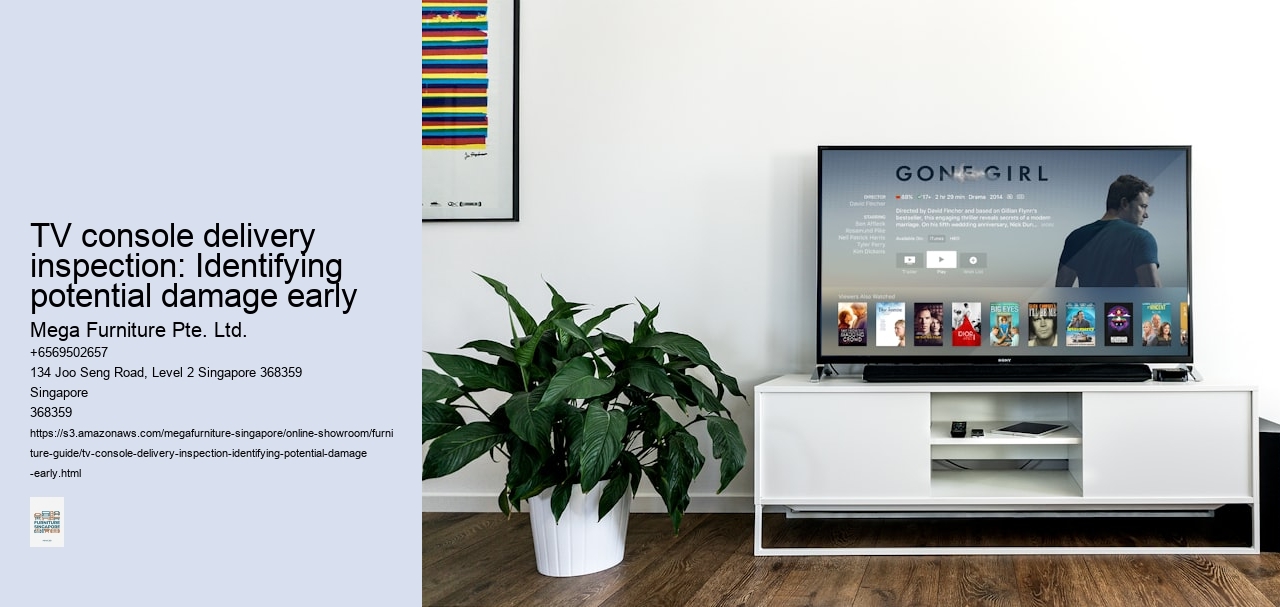
Singapore’s humidity doesn’t just frizz hair; it warps MDF and blisters veneers within a season. For a floor-standing console that’s meant to last, engineered wood with a proper moisture-resistant coating isn’t a luxury—it’s a baseline for durability in our 80%+ humidity. That means looking for sealed edges and water-repellent finishes, not just a glossy top.
Proportion matters just as much as material. The console isn’t just a stand; it’s the visual anchor for your entire media wall. In a typical 4-room BTO living room, a console that’s too short under a 65-inch TV looks like a child’s drawing. That’s why local sizing conventions lean heavily towards queen or king bed lengths—around 150cm to 180cm—which provide the necessary heft and balance for modern screen sizes without overwhelming the space.
Practical needs dictate the finish. For households with cats or a boisterous Labrador, a scratch-resistant laminate is far more sensible than a soft wood veneer that’ll show every claw mark. It’s a simple trade-off: you sacrifice a bit of natural texture for a surface that won’t look battered after a year.
Storage, however, is where the real test lies. In compact homes, a console that’s just a shelf on legs becomes a clutter magnet for remotes, game controllers, and loose cables. The better solution is integrated, concealed storage—deep drawers or cabinets with cable management ports that tangle everything away. It’s a design that actively reduces visual noise in a room that’s already busy.
Finally, consider the footprint. A floating console can make a narrow space feel more open, but a floor-standing unit with solid legs offers superior stability for heavier AV equipment. Just ensure there’s a rear panel or sufficient gaps for heat dissipation; you don’t want your PlayStation overheating because the cabinet back is solid plywood.
Full-extension drawer glides aren't just a luxury; they're a necessity for accessing that rear AV receiver or forgotten gaming console tucked in the back. A cheap console might feature basic half-extension runners, which force you to yank everything out just to reach a single cable. In a typical 4-room BTO living room, where the console anchors the entire media wall, you'll pull drawers open daily. Full-extension mechanisms, often ball-bearing or roller-based, ensure smooth operation year after year—they prevent the front-heavy sag that eventually jams a drawer full of Blu-ray discs. That smooth action is a quiet signal of a console built for actual use, not just display.
Solid wood legs, even in a rubberwood or oak finish, provide a stability that veneered particleboard simply cannot match. Veneer can chip or peel when a console gets nudged across a laminate floor during a living room reorganisation. In humid Singapore conditions, solid timber maintains its integrity, whereas particleboard core can swell if it ever gets wet from a spill or damp mop. Those four legs support the entire weight of a 75-inch TV plus shelves loaded with speakers and amplifiers; they're the foundation. Spot them by looking for consistent grain patterns on all sides and a lack of that perfectly uniform, printed wood look.
A reinforced back panel, often a solid plywood sheet instead of thin cardboard or flimsy hardboard, keeps the entire structure square and rigid. It's the piece you rarely see once the console is against the wall, but it's critical for preventing warping over time. In many homes, the console sits against a wall that might get warm from sun exposure or retain moisture; a sturdy back acts as a brace. That reinforcement also means screw holes for mounting won't crumble when you secure a heavy centre channel speaker. It's a detail that separates a temporary piece from one that lasts a decade.
Finished edges on every shelf and interior surface aren't merely about aesthetics; they seal the material against humidity. Raw, unfinished particleboard edges are porous and will absorb ambient moisture, leading to swelling and a rough, frayed appearance over years. In our climate, that absorption happens slowly but surely, especially in ground-floor condo units or older flats. A proper laminate or paint finish on all edges—including those inside drawers and on shelf ends—creates a protective barrier. This detail also means dust won't cling to rough edges, making it easier to keep clean.
Published weight capacity specs, often listed per shelf or for the entire unit, directly translate to whether your AV stack will be safe. A shelf rated for 15kg might hold a media player and a few books, but a combined amplifier and subwoofer can easily exceed that. Manufacturers that provide these numbers openly typically use thicker shelving material and more robust support brackets. It's a quantifiable signal; if specs are absent, you're left guessing whether that open cubby can handle your PlayStation 5, Xbox, and vintage vinyl collection. For a family upgrading to a larger home theatre system, this data is non-negotiable.
A 65-inch television perched on a 120cm console is a common, unsettling sight in many BTO living rooms—the screen visually overhangs the furniture like a cliff edge, undermining the entire media wall's proportion. That mismatch between TV width and console length is the most frequent sizing error, and it’s easily avoided: for a standard 65-inch TV, which is around 145cm wide, you’ll want a console that’s at least 180cm to create a balanced, anchored look with some breathing room on each side. Shorter units force all your media players and soundbars into a cramped central pile, while a console that’s too long for a smaller TV can look oddly sparse and waste precious floor space in a 4-room flat layout.
Beyond the top surface, buyers often forget the clearance underneath. A robot vacuum needs about 12cm of height to glide beneath a floor-standing console for a proper clean; anything lower creates a daily chore of manual sweeping. Similarly, floor-mounted speaker wires or power strips routed behind the unit require a generous rear gap, otherwise you’ll be forcing the cabinet flush against the wall and pinching expensive cables—a frustrating compromise between aesthetics and function.
Heat is another silent killer. Stacking a media player, game console, and router inside a fully enclosed compartment, especially one with a solid back panel, is a recipe for internal damage from accumulated warmth. That’s why ventilation, whether through slatted sides, an open back design, or integrated cable management channels that allow air to circulate, isn’t a luxury. It’s a necessity for protecting electronics that might be on for hours in our humid climate.
These aren’t abstract design rules; they’re practical fixes for daily friction. Choosing a console with thoughtful proportions and built-in cable management often costs a few hundred dollars more upfront, but it saves the minor irritations that make a new setup feel like a hassle within months. You can explore a range designed with these considerations at Megafurniture’s TV console collection, focusing on models that specify clear internal dimensions and ventilation features.
The difference between a laminate that looks like walnut and the real thing is usually obvious from a metre away, but the quality of the joinery isn’t. That’s why a trip to a showroom like the one in Tampines matters — you can run a hand over the mitred corners of a solid wood console, feel the weight of its drawers, and spot any telltale gaps or veneer mismatches that a product photo might gloss over. Direct assessment settles the material debate before delivery day introduces any unpleasant surprises. Singapore’s room scales demand specific solutions. A 120cm console might be the only logical fit for the media wall in a compact condo, anchoring a 40-inch TV without swallowing the space, while a 240cm piece becomes the defining feature in a 4-room BTO’s living area, properly grounding a 75-inch screen. Megafurniture’s range spans these lengths, and seeing them in person at their Joo Seng showroom helps visualise proportion; a console that seems modest online can dominate a narrow HDB layout, and one that looks substantial might be necessary to balance a large, empty wall. Beyond size, the tactile inspection covers practicalities. You’ll test drawer glides for smooth operation, check if the back panels are finished for floating placement, and verify the sturdiness of any open shelving meant for decor or heavy media players. It’s also the moment to judge finishes under your own lighting — a cool grey laminate might read too clinical under LED downlights, while a warm oak veneer could soften the entire room. These aren’t minor details; they’re the factors that make a piece feel considered rather than just purchased. For many buyers, this in-person verification builds confidence in the product’s construction ahead of a significant purchase. You’re not just confirming a colour swatch; you’re auditing the build against the online description, ensuring that ‘solid rubberwood’ doesn’t mean flimsy frames and that ‘sintered stone top’ has the expected heft and seamless edge. It turns a speculative online browse into a concrete decision, especially when planning around a new television’s arrival. You can start that evaluation by visiting their
TV console collectiononline to shortlist models, then make the trip to see your favourites in three dimensions.
The delivery crew will angle that long, flat crate through your front door, but the real challenge often starts at the lift lobby. Many HDB blocks have lift landing dimensions that simply won't accommodate an oversized crate for a 240cm console; you’re left with the stairwell, which usually means additional fees and a lot of negotiation. It’s a logistical headache that’s best confirmed in centimetres before the truck even leaves the warehouse.
Before you sign any delivery note, inspect every visible corner and panel for transit dents. These flat-pack crates get stacked in containers and shuffled across docks, and the corners take the brunt of it. A small dent on a melamine wrap can hide a compromised chipboard edge that’ll split open during assembly. Don’t let the urgency of the delivery team rush this step—once you sign off, that damage becomes a warranty claim, not an immediate replacement.
Verify if assembly is included, as it often isn’t for floor-standing units. Some retailers assume you’ll handle the basic screwdriver work yourself, which is fine until you’re staring at a bag of cam locks and an instruction leaflet with cryptic diagrams. If you’re paying for professional assembly, confirm the team is insured for any accidental damage to your flooring or walls during the process.
The warranty document matters most for what it excludes. A one-year guarantee that only covers surface defects like chipped paint is almost worthless for a structure meant to hold a 75-inch TV and several gaming consoles. You need explicit coverage for structural integrity—joint failures, shelf sag beyond a certain tolerance, and leg stability. That rubberwood frame might look solid, but you’ll want assurance it won’t develop a lean in our humidity within 18 months.
For a curated selection that clarifies these logistics upfront, you can browse Megafurniture’s collection. Their spec sheets typically list crate dimensions, which saves you the back-and-forth with customer service when planning for that narrow BTO corridor.
The questions Singapore shoppers ask about TV consoles aren't about trends — they’re about physics, humidity, and the centimetres between their sofa and their wall. That’s the reality of fitting a media setup into a 4-room BTO living room.
Can a console hold a 55kg TV? Yes, if you’re looking at a wall-mounted variant; the critical point is that it must use the specified heavy-duty anchors into a solid concrete wall, not just plasterboard. A floor-standing console would bear that weight easily, but the wall-mounted type shifts the load directly to your wall structure.
What length for a 75-inch TV? Aim for a console around 210 to 240cm. That’s not just for proportion — a too-short unit leaves cables and media players dangling off the ends, creating a clutter problem you’ll notice every day. In many homes, the console also acts as a boundary for the seating area, so its length defines the room’s layout.
Is it suitable for high humidity? Engineered wood with sealed edges typically is, because the laminated surfaces and tight seals resist moisture ingress better than solid wood might in our climate. For coastal neighbourhoods like Marine Parade or flats near Bedok Reservoir, that sealed construction matters more than the wood species itself.
What’s the difference between floating and floor-standing? Floating saves floor space and creates a cleaner look, but it demands a solid wall for mounting and often offers less internal storage volume. Floor-standing units provide stability and ample concealed storage for everything from gaming consoles to board games — they’re a pragmatic choice for families, even if they occupy a bit more of that precious floor area.
That final scribble on a notepad, the phone photo of a living room wall—it’s more valuable than any showroom brochure. Before you set foot in a retailer, the most critical step is turning your own space into a set of concrete, non-negotiable specifications. Get this right, and you’ll avoid the heartache of a console that’s 5cm too long for its alcove or a soundbar that won’t fit inside the cabinet.
Start with a tape measure. Record the exact wall length where the console will go, then subtract at least 10cm for visual balance. This isn’t just about the unit itself; mark the precise locations of your power points and data ports on the wall. A common regret is buying a solid-back console only to realise the ports are 20cm off-centre, forcing ugly cable holes or reliance on messy extension cords. Next, list every item for concealed storage: PlayStation 5, AV receiver, router, a stack of board games. Don’t guess their dimensions—check them, and add 3–4cm for cable management and ventilation. That sleek, low-profile console you liked might only have 15cm of internal height, which won’t accommodate a standard receiver.
Your home’s architecture often dictates the aesthetic choice. For the clean, built-in look favoured in many BTO and condo living rooms, a minimalist laminate finish in matte white, grey, or oak works seamlessly; it’s a backdrop that recedes, letting the TV and artwork take centre stage. In a landed property or for a dedicated feature wall, a solid wood console in teak or walnut tone makes a deliberate statement—it’s a piece of furniture first, storage second. This decision isn’t merely about colour; it steers you towards entire categories of construction and price point before you’ve even seen a sample.
With your measurements, equipment list, and material direction locked in, browsing becomes a targeted exercise. You’re no longer just looking at furniture; you’re vetting for specific dimensions and configurations. It’s the difference between being sold to and making a purchase. You can review options against your checklist at Megafurniture’s collection, knowing that anything which doesn’t fit your brief is simply noise. The right console isn’t the prettiest one in the showroom—it’s the one that disappears into your living room, functioning perfectly from day one.
In many four-room BTO flats, the living room wall between the main door and the corridor is a tight 140 centimetres - just enough for a 55-inch TV and a console that doesn't crowd the doorway. That's the sweet spot, a console length that leaves breathing room for shoe racks and passing family members. Go longer, and you'll start bumping elbows every time you come home; go shorter, and the television starts to look awkwardly small, floating above a piece of furniture that seems to apologise for its own presence.
Condo layouts introduce a different puzzle, where the living area often flows directly into an open-plan dining space. Here, console depth becomes the critical measurement, not just its length. A unit that's 45cm deep might fit neatly against the wall, but if it pushes past 60cm, you're eating into precious walkway space in a room that can't afford to lose it. The goal is to balance ample storage for media players and game consoles with a clear traffic path to the balcony or kitchen - a common compromise in compact 900 sq ft apartments.
Landed property media walls, by contrast, demand scale. A TV console anchors the wall opposite the sofa in the same way a tall bookshelf anchors a corner — long horizontal piece, mix of open and closed storage, defines the visual weight of one whole side of the room. Megafurniture's TV Console range covers floating wall-mounted designs, low-profile freestanding consoles, and modular feature-wall configurations. Most pieces sit at 40-50cm height, sized for screens up to 75 inches.. With living rooms that can stretch five or six metres, a 200cm console isn't a luxury; it's a necessity to visually anchor the space and proportionally support a 75-inch screen or larger. These homes often have the ceiling height and floor area to handle bulkier, more substantial pieces in materials like solid oak or sintered stone, which would simply overwhelm a BTO flat. The challenge shifts from saving space to filling it appropriately, creating a focal point that doesn't get lost on a vast wall.
Across all these typologies, the common mistake is prioritising style over these foundational dimensions. A beautiful, floating console with hidden compartments might seem ideal, but if its 180cm length is wedged into a 190cm BTO wall recess, the installation looks forced and the wall feels crammed. It's worth measuring twice, considering not just the blank wall but the room's entire circulation pattern - from the swing of the main door to the path to the kitchen.
A Bookshelf earns its place in Singapore homes through dual function — book and decor storage in the open shelves, soft visual division when placed mid-room in open-plan condominium layouts. Megafurniture's combined display unit and bookshelf hub covers tall book racks, cubby-hole designs, ladder shelves, modular cube systems, and glass-door pieces in oak, walnut, and MDF veneer finishes. Solid-wood pieces typically start around $425, with most heights spanning 120cm to 220cm to fit standard 2.6m HDB ceilings..In many four-room BTO flats, the living room wall between the main door and the corridor is a tight 140 centimetres — just enough for a 55-inch TV and a console that doesn’t crowd the doorway. That’s the sweet spot, a console length that leaves breathing room for shoe racks and passing family members. Go longer, and you’ll start bumping elbows every time you come home; go shorter, and the television starts to look awkwardly small, floating above a piece of furniture that seems to apologise for its own presence.
Condo layouts introduce a different puzzle, where the living area often flows directly into an open-plan dining space. Here, console depth becomes the critical measurement, not just its length. A unit that’s 45cm deep might fit neatly against the wall, but if it pushes past 60cm, you’re eating into precious walkway space in a room that can’t afford to lose it. The goal is to balance ample storage for media players and game consoles with a clear traffic path to the balcony or kitchen — a common compromise in compact 900 sq ft apartments.
Landed property media walls, by contrast, demand scale. With living rooms that can stretch five or six metres, a 200cm console isn’t a luxury; it’s a necessity to visually anchor the space and proportionally support a 75-inch screen or larger. These homes often have the ceiling height and floor area to handle bulkier, more substantial pieces in materials like solid oak or sintered stone, which would simply overwhelm a BTO flat. The challenge shifts from saving space to filling it appropriately, creating a focal point that doesn’t get lost on a vast wall.
Across all these typologies, the common mistake is prioritising style over these foundational dimensions. A beautiful, floating console with hidden compartments might seem ideal, but if its 180cm length is wedged into a 190cm BTO wall recess, the installation looks forced and the wall feels crammed. It’s worth measuring twice, considering not just the blank wall but the room’s entire circulation pattern — from the swing of the main door to the path to the kitchen.