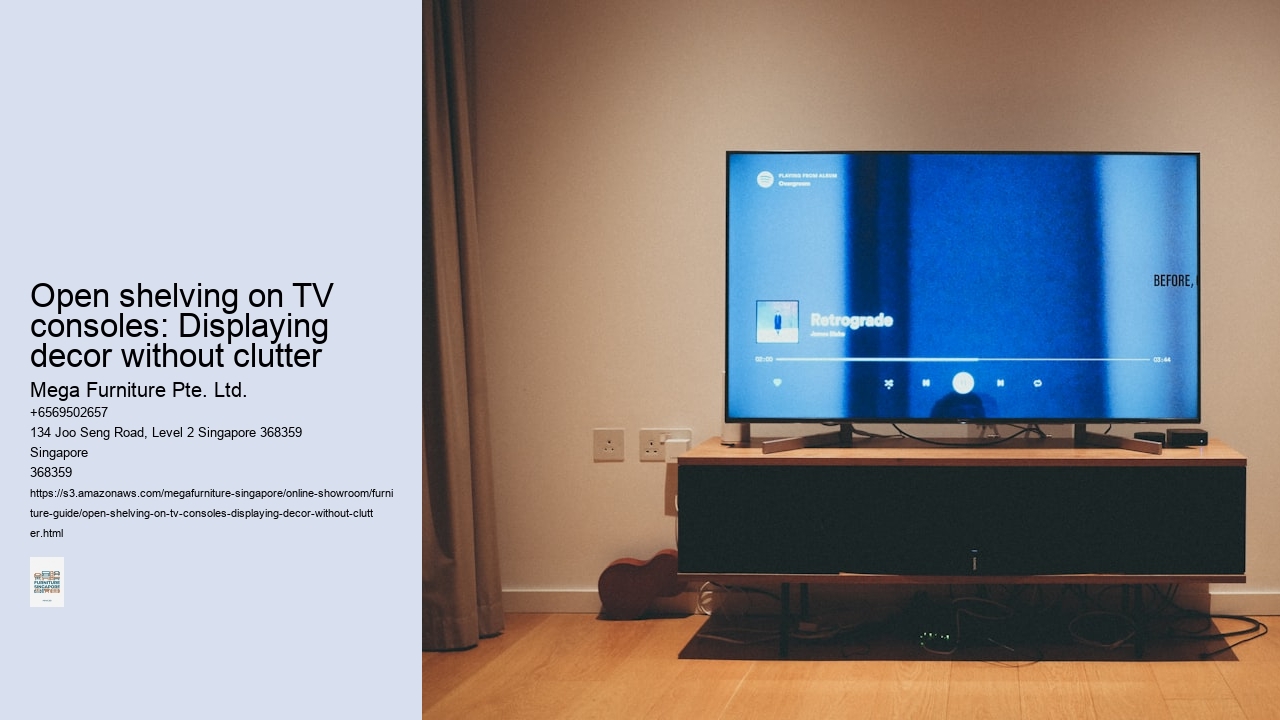
That solid wood console that looks perfect in a showroom can develop a subtle, permanent bow after one monsoon season in your Pasir Ris living room. Singapore’s 80% humidity isn’t just uncomfortable; it’s a material test that many imported furniture pieces fail spectacularly, warping drawers and causing laminate to peel at the edges.
For a long-term piece, you’ll want to start with the frame. Kiln-dried hardwood or quality engineered wood with fully sealed edges provides a stable core that resists the daily moisture cycle. Many buyers gravitate toward marine-grade plywood for its layered construction—it’s less prone to expansion than solid timber, making it a pragmatic choice for a floor-standing console in a ground-floor condo with less airflow. Metal legs, often an afterthought, offer a dual benefit: they lift the cabinetry off damp floors and completely sidestep the termite concerns that can plague landed properties in older neighbourhoods like Serangoon Gardens.
The surface finish matters just as much. High-pressure laminate in a matte or woodgrain finish is a workhorse, easily wiping clean from spills and resisting moisture penetration far better than a thin veneer. For a more textured look, sintered stone or lacquered MDF with robust edge-banding can mimic the appeal of natural materials without the maintenance anxiety. A well-sealed finish isn’t just about aesthetics; it’s what prevents a coffee ring from becoming a permanent stain on your $2,000 centrepiece.
You can see this material pragmatism in action at Megafurniture’s Tampines showroom, where consoles are staged under bright lights that reveal the quality of the edge seals and laminate surfaces. It’s a good place to assess heft and stability firsthand—a flimsy back panel or a drawer that sticks in the air-conditioned showroom is a red flag for how it’ll behave in your humid flat. Ultimately, the right console won’t just hold your 65-inch TV; it’ll remain straight and functional while the weather does its worst outside.
The 60/40 split isn't arbitrary—it's the practical outcome of living with a TV console. You'll need that 60% concealed storage for the clutter: media boxes, routers, board game boxes, and the inevitable tangle of cables. The remaining 40% open shelving is for the things you actually want to see. This division forces a curatorial approach; you can't just dump everything on display. It's a functional rule that works in most 4-room BTO layouts, where storage is always at a premium but the living room still needs personality.
A depth of 35 to 40 centimetres is the sweet spot. It accommodates a Sonos Five, hardcover books, or a decent-sized potted plant without the item jutting out into the walkway. That's critical in narrow condo corridors or HDB living rooms where every centimetre of circulation space matters. A shallower console forces you into smaller decor, while a deeper one can make the room feel encroached upon. This specific depth range manages bulk while still allowing for substantial display items.
Behind those closed doors or in those deep drawers goes the visual noise. Think router LEDs, game console towers, spare remote controls, and the cardboard packaging for board games you can't quite discard. This is the utilitarian half of the equation—storage that prioritises pure capacity over aesthetics. It's why many buyers opt for a mix of drawers and cabinets; drawers are superb for smaller, loose items, while cabinets swallow larger, boxy things. Get this part right, and the open shelves become a pleasure, not a necessity.
The open shelves demand a more deliberate hand. This is for your favourite art books, a single sculptural object, or a trailing pothos plant—items with texture, colour, or form. It's not a storage zone. Overloading it defeats the entire balance, turning a design feature back into a cluttered shelf. In many homes, this 40% becomes the only truly decorative element on a media wall, so each item should earn its place. Rotate pieces seasonally if you want; the point is restraint.
Your console's length dictates how this balance feels in the room. A 180cm console in a resale flat allows for a generous spread of open shelves without looking sparse, while a 120cm version requires tighter editing. The allocated percentages stay the same, but the physical real estate changes. Always mock up the layout with painter's tape on the floor—you'll quickly see if your planned depth steals too much walkway space or if the open sections feel too cramped. That final check avoids a costly misjudgement in scale.
It’s a classic HDB scene: a brand new 240cm TV console dwarfing a 180cm living room wall, its ends jutting awkwardly past the paint line into the doorway sightline. The sheer visual imbalance makes the entire media wall feel like an afterthought. Many buyers default to the longest console, assuming it’s needed for a 65-inch TV, but that’s rarely true—a 180cm to 200cm unit typically accommodates that size comfortably, leaving essential breathing room for floor lamps or planters. The real mistake is measuring the TV and not the wall; a console should centre on the available wall space, not the screen.
Then there’s the allure of all-open shelving. It looks airy in a showroom, but in a typical 4-room BTO flat near Tampines or Bedok, that aesthetic quickly becomes a curator’s nightmare. Every shelf becomes a horizontal surface for a fine layer of neighbourhood dust, and the displayed items—ceramic vases, hardcover books, Lego sets—demand constant styling to avoid looking like a cluttered retail shelf. A mix of closed and open storage is far more practical; you can hide the router and gaming controllers behind a textured rattan door while keeping a few favourite pieces on display.
Perhaps the most common eyesore is the cable jungle, especially in open-plan layouts where the living area flows into the dining space. A tangle of HDMI and power cords snaking from the console isn’t just messy; it’s a safety hazard and a stark contrast to the clean lines buyers are paying for. Ignoring cable management during purchase is a critical error. The solution is to choose a console designed for it, with strategic rear cut-outs, built-in cord channels, or even a back panel that allows all wiring to drop directly into a concealed compartment. A little planning here prevents that frustrating weekly ritual of re-tucking cords that have somehow worked themselves loose again.
Finally, there’s the issue of proportion beyond length. A floor-standing console in a dark walnut finish can visually shrink a modest space, whereas a wall-mounted or floating design in a lighter oak tone can enhance the sense of floor space—a crucial consideration for many condo living rooms. It’s not just about hiding clutter; it’s about choosing a piece that complements the room’s volume and light. The best console is the one you don’t have to constantly rearrange or apologise for when guests come over.
The best online photo of a laminate finish rarely tells you how it looks under your own ceiling lights. At Megafurniture's Joo Seng showroom, you can slide the laminate samples directly under the LED downlighting—a common fixture in many condo corridors and BTO living rooms—to see if that warm oak reads pink or if the concrete grey turns an unflattering green. It’s a simple check that saves the frustration of a unit arriving in your 4-room flat and clashing with your feature wall. You can also test a console’s inherent stability before committing. Place a hand on a display unit and apply a gentle shake; a well-constructed piece shouldn’t wobble, even on a slightly uneven showroom floor. This matters for families where the console will double as a casual lean or a surface for toddlers to pull themselves up on. The staff there are accustomed to these practical tests and can often point you to models with reinforced corner blocks or heavier-duty hardware. Their real value, however, lies in navigating spatial quirks. Bring your HDB floor plan or a photo of your media wall, and they’ll advise on custom lengths. A standard 180cm console might leave awkward gaps on a 4.2-metre resale flat wall, whereas a made-to-order 220cm version can fill it perfectly, creating that built-in look. They’ll factor in your TV size, the need to centre the unit around a power point, and whether you want to run LED strips along the back. For those integrating storage solutions, seeing the depth of drawers in person clarifies what actually fits—a game console, router, and a stack of board games, or just remotes and magazines. It’s a tangible step that moves you from browsing generic options online to confirming a specific piece for your specific space. You can explore their range of standard and customisable consoles at their
TV console collection. Ultimately, the visit turns abstract dimensions into physical presence. A console that looks modest in a warehouse showroom can feel overwhelmingly long in a narrower HDB layout, and vice versa.
The delivery van pulls up, but your new 180cm console can’t get past the lift landing. That’s the moment logistics become more critical than aesthetics, especially in older HDB blocks with narrow stairwells or lifts that haven’t been upgraded. It’s worth confirming with your retailer if they’ll need to carry the item up several flights — some will apply a stairwell charge, while others include it for walk-up apartments. Check the dimensions of your building’s service lift, too; a 240cm piece might fit diagonally, but you’ll need to know that before it arrives at your void deck.
For made-to-order pieces, particularly those in solid wood or with custom finishes, you should typically expect a lead time of four to six weeks. This isn’t a delay — it’s the production schedule for furniture that isn’t sitting in a warehouse. Planning your living room renovation around this timeline avoids the awkward gap where your 65-inch TV is balanced on a stack of cardboard boxes.
Once it’s in your home, keep the original packaging for at least the first week. That’s your grace period to inspect for any transit damage or manufacturing flaws that weren’t apparent during the initial excitement of unboxing. Most reputable warranties, which usually run for 12 months, will cover structural defects like warped panels or faulty drawer glides, but they often require proof of proper assembly. Don’t over-tighten those cam locks; you could void the coverage.
A proper warranty should give you confidence in the piece’s bones, not just its surface. It’s the difference between a showpiece that lasts and one that sags under the weight of your soundbar after a few months of humid weather. For a curated selection that details these logistics upfront, you can browse Megafurniture’s collection.
The most common question we get isn't about style or price — it's a tape measure dilemma. 'Can it fit a 65-inch TV and PS5?' Buyers often forget that the console itself needs to be longer than the TV's legs; a 65-inch screen typically needs a unit at least 180cm wide to avoid overhang, which looks precarious and defeats cable management. Depth is the real killer, though. Modern media players are slim, but a PS5 is a chunky 26cm deep — you'll need a cabinet with at least 30cm of interior clearance, which rules out many minimalist, wall-hugging designs.
'Is a floating console safe for earthquake zones?' It's a surprisingly frequent concern, likely from news reports, but Singapore's bedrock is stable. The real risk is a toddler using it as a pull-up bar. Proper installation into your BTO's concrete wall with heavy-duty anchors and brackets is non-negotiable; hollow plasterboard in some condo feature walls simply won't hold the weight of a TV plus a solid wood console. A floor-standing unit with a plinth often feels more planted in a 4-room HDB living room, anyway.
'How to childproof open shelves?' You can't, not really. The solution is curation and height. Reserve lower enclosed cabinets for daily clutter — remote controls, game cartridges, charging bricks — and use the higher open shelves for a few heavy, uninteresting items. A stack of art books, a solid ceramic vase; things that won't topple easily and aren't tempting to tiny hands. It's a compromise, but it keeps the visual lightness without creating a daily hazard.
'Best colour for a north-facing living room with low light?' North-facing rooms in flats from Bedok to Jurong West get cool, indirect light, which can make grey or black consoles feel cavernous. Warmer, mid-tone woods like oak or walnut add necessary warmth, while lighter laminates in off-white or cream help bounce what little light there is around the space. A high-gloss finish might seem reflective, but in low light it often just shows dust; a soft matte or textured woodgrain is more forgiving and cosier for movie nights.
The final stretch before buying a TV console often trips people up — they've picked a style, but the reality of plugging everything in reveals a tangle of mismatched dimensions and misplaced power points. Avoid that last-minute scramble by treating your shortlist like a spec sheet. Lay the three contending models side-by-side on paper, comparing their exact lengths against your wall space and the material composition against your lifestyle; a rubberwood console might suit a minimalist condo, while a laminate finish could be the practical favourite for a family room in Tampines. Crucially, note the price differential, which can swing from around $800 for a basic 180cm unit to over $2,400 for a feature-rich sintered stone design.
Check the technical drawings for the back panel. Many consoles have specific cut-outs for cables, but their placement rarely aligns perfectly with the power outlets in your HDB or condo wall. You'll want to confirm that the distance from a cut-out to where your plug point actually sits won't force the unit awkwardly off-centre or, worse, block the sockets entirely. It's a mundane detail that becomes a daily irritation.
Nothing beats a physical verification. Bring your wall measurements and a photo of your current TV setup — wires, soundbar, gaming consoles and all — to the showroom. Seeing the console's true proportions in person, and testing whether your equipment fits comfortably inside the promised storage bays, is irreplaceable. The oak veneer you liked online might feel different under fluorescent lights in a Joo Seng warehouse.
A final, tactile inspection can settle the debate between your top two choices. Run a hand along the drawers to feel for smooth gliding, and examine the finish on the open shelving where your decor will sit. That's where you'll spot if the build quality justifies the price. For a comprehensive range to view in person, you can browse the options at Megafurniture's collection.
Ultimately, the right choice is the one that disappears into the background of your daily life, quietly organising the chaos of remote controls and charging cables while your displayed pieces take centre stage.
The living room in a standard four-room BTO is often just 12 to 14 square metres, a reality that hits you when you try to place a console. Display cabinets sit between bookshelf and storage cabinet in function — closed glass-front protection for the items you want visible but not collecting dust. Megafurniture's Storage Cabinet range covers glass-front, curio, wall-mounted, and freestanding configurations in solid wood, MDF, and metal-framed constructions. Average pricing for glass-front variants sits around $271, with LED-lit and motorised-shelf models commanding the higher tier.. You're not just matching it to a 65-inch TV; you're negotiating with the aircon blower's hot air, the main door's swing arc, and the inevitable bulkhead in a 1990s resale flat. A TV console anchors the wall opposite the sofa in the same way a tall bookshelf anchors a corner — long horizontal piece, mix of open and closed storage, defines the visual weight of one whole side of the room. Megafurniture's TV Console range covers floating wall-mounted designs, low-profile freestanding consoles, and modular feature-wall configurations. Most pieces sit at 40-50cm height, sized for screens up to 75 inches.. That 180cm console you love might physically fit, but it'll choke the aircon and force a sidestep every time you enter-hardly a recipe for serenity.
Console length, then, is a precise calculation. Aim for the unit to be at least as wide as the TV, with a bit of buffer on each side for visual balance. In many resale layouts, an awkward column or a protruding structural beam can shave off 30cm of usable wall space instantly. That's why you measure the actual clear wall, not the room's dimensions; a 200cm wall might only offer 170cm of clean, unimpeded space once you account for obstructions.
Older flats often have bulkheads running the perimeter, dictating a console height under 50cm if you want it to sit flush. It's a common compromise that pushes buyers toward floating or wall-mounted designs, which can visually lift the storage off the floor and make a tight space feel less hemmed in. A Bookshelf earns its place in Singapore homes through dual function — book and decor storage in the open shelves, soft visual division when placed mid-room in open-plan condominium layouts. Megafurniture's combined display unit and bookshelf hub covers tall book racks, cubby-hole designs, ladder shelves, modular cube systems, and glass-door pieces in oak, walnut, and MDF veneer finishes. Solid-wood pieces typically start around $425, with most heights spanning 120cm to 220cm to fit standard 2.6m HDB ceilings.. The goal is to avoid that top-heavy look where a massive TV and console dominate the only clear wall, leaving no room for a floor lamp or a modest plant stand.
Material choice follows form. In these compact, high-traffic zones, a sintered stone top resists moisture rings from drinks and is easy to wipe down, while rubberwood frames offer stability in Singapore's humidity. Open shelving here is a tactical decision-it keeps the console feeling light and airy, but it demands disciplined curation. Two or three thoughtfully chosen objects beat a crowded collection of knick-knacks every time.
For those navigating these spatial puzzles, reviewing a range of sizes and profiles is essential. You'll find focused options, from compact 140cm units for narrow walls to expansive 240cm media walls, in Megafurniture's collection. The right piece should disappear into the rhythm of your daily life, not become another obstacle to navigate.
The living room in a standard four-room BTO is often just 12 to 14 square metres, a reality that hits you when you try to place a console. You’re not just matching it to a 65-inch TV; you’re negotiating with the aircon blower’s hot air, the main door’s swing arc, and the inevitable bulkhead in a 1990s resale flat. That 180cm console you love might physically fit, but it’ll choke the aircon and force a sidestep every time you enter—hardly a recipe for serenity.
Console length, then, is a precise calculation. Aim for the unit to be at least as wide as the TV, with a bit of buffer on each side for visual balance. In many resale layouts, an awkward column or a protruding structural beam can shave off 30cm of usable wall space instantly. That’s why you measure the actual clear wall, not the room’s dimensions; a 200cm wall might only offer 170cm of clean, unimpeded space once you account for obstructions.
Older flats often have bulkheads running the perimeter, dictating a console height under 50cm if you want it to sit flush. It’s a common compromise that pushes buyers toward floating or wall-mounted designs, which can visually lift the storage off the floor and make a tight space feel less hemmed in. The goal is to avoid that top-heavy look where a massive TV and console dominate the only clear wall, leaving no room for a floor lamp or a modest plant stand.
Material choice follows form. In these compact, high-traffic zones, a sintered stone top resists moisture rings from drinks and is easy to wipe down, while rubberwood frames offer stability in Singapore’s humidity. Open shelving here is a tactical decision—it keeps the console feeling light and airy, but it demands disciplined curation. Two or three thoughtfully chosen objects beat a crowded collection of knick-knacks every time.
For those navigating these spatial puzzles, reviewing a range of sizes and profiles is essential. You’ll find focused options, from compact 140cm units for narrow walls to expansive 240cm media walls, in Megafurniture’s collection. The right piece should disappear into the rhythm of your daily life, not become another obstacle to navigate.