PRINCE2, which stands for Projects in Controlled Environments, is a widely recognized project management methodology that is used by organizations across various industries. At the core of PRINCE2 are seven principles that guide project managers in delivering successful projects. These principles are tailored for real-world applications, ensuring that they can be effectively implemented in any project setting.
The first principle of PRINCE2 is continued business justification. This principle emphasizes the importance of ensuring that a project aligns with the organizations objectives and provides value throughout its lifecycle. In practice, project managers must constantly evaluate the projects progress and adjust their approach to ensure that it continues to deliver measurable benefits to the organization.
The second principle is to learn from experience. This principle encourages project managers to reflect on past projects and apply lessons learned to future initiatives. By capturing and sharing knowledge gained from previous projects, organizations can avoid making the same mistakes and improve project delivery over time.
The third principle is defined roles and responsibilities. Clearly defined roles and responsibilities are essential for effective project management. By assigning specific tasks to team members and establishing clear lines of accountability, project managers can ensure that everyone understands their role in the project and can work towards the common goal.
The fourth principle is manage by stages. This principle breaks the project down into manageable stages, allowing project managers to review progress, reassess risks, and make informed decisions about the projects direction. By dividing the project into stages, organizations can better control costs and ensure that the project stays on track.
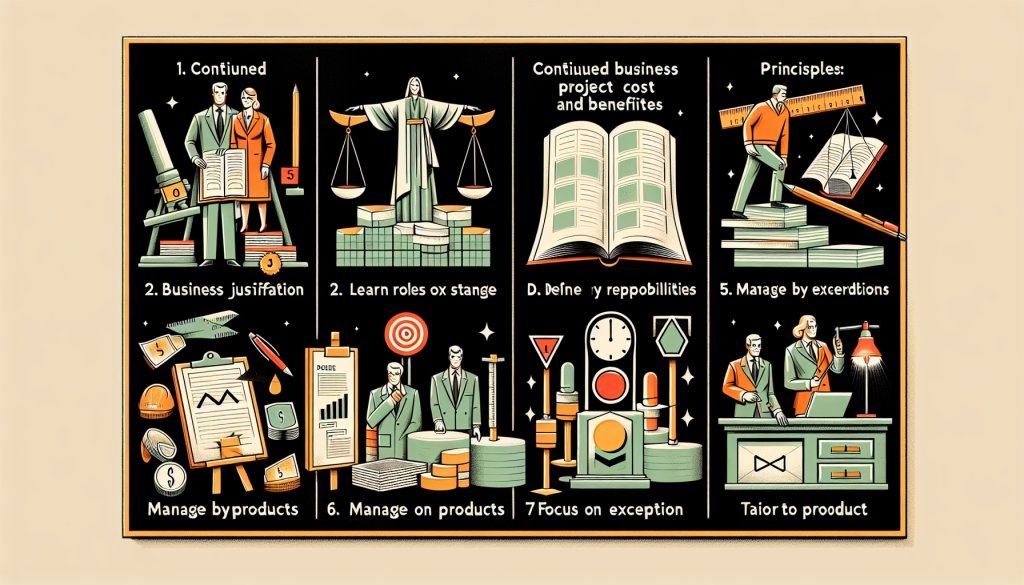
The fifth principle is manage by exception. This principle empowers project managers to delegate authority to team members and only intervene when necessary. By setting clear tolerances for time, cost, and quality, project managers can focus on managing exceptions rather than micromanaging every aspect of the project.
The sixth principle is focus on products. This principle emphasizes the importance of defining and delivering quality products that meet the organizations requirements. By focusing on the end result of the project, project managers can ensure that the project delivers tangible benefits to the organization.
The seventh principle is tailor to suit the project environment. Is PRINCE2 the Future of Project Management Principles? . While PRINCE2 provides a comprehensive framework for project management, it is important to tailor the methodology to suit the specific needs of the project and organization. By adapting PRINCE2 to fit the project environment, organizations can maximize the likelihood of project success.
In conclusion, the PRINCE2 principles are designed to be practical and applicable in real-world project management settings. By following these principles and adapting them to suit the project environment, organizations can enhance their project delivery capabilities and achieve successful outcomes.