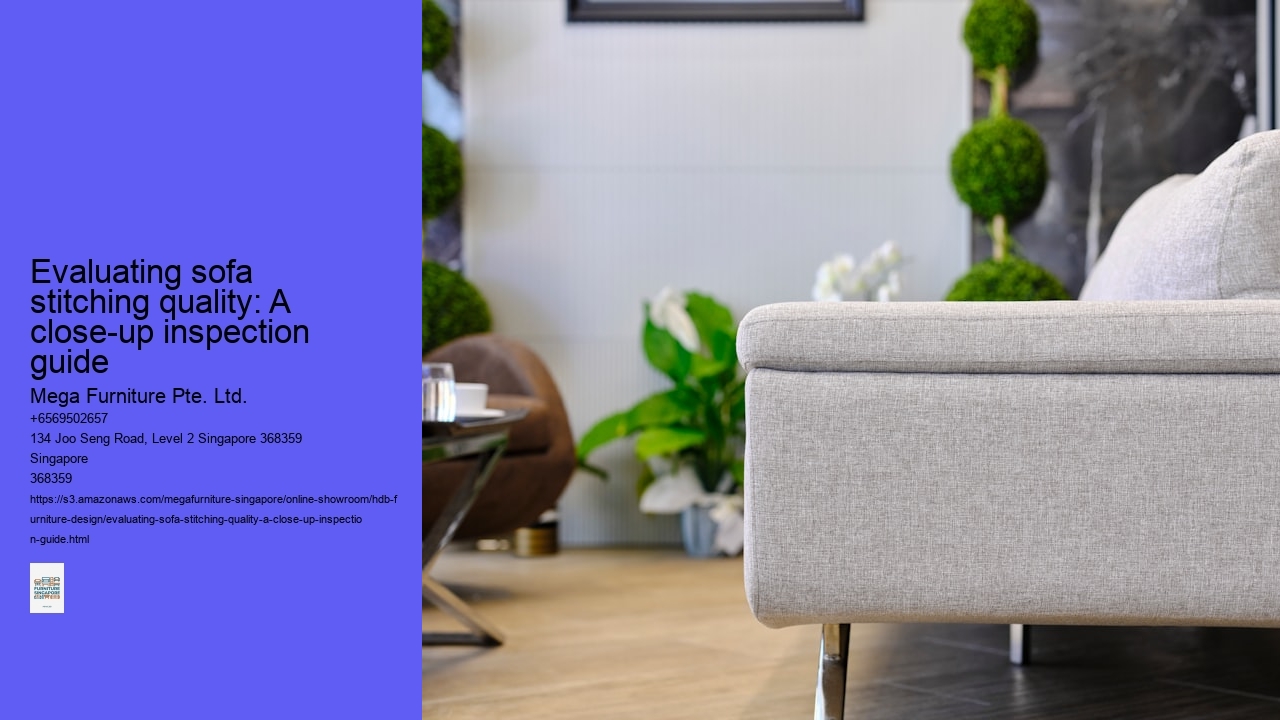
The first place a sofa’s construction starts to give up is at the corners and seams. You see it all the time in showrooms—those armrest corners where the fabric pulls taut, or the seams along the back cushions that look a bit strained. That’s where the double stitching, if it’s not done properly, will fail. It’s not a slow fade; it’s a cascade. One loose thread lets the fabric separation begin, and within a year, the foam inside starts to shift and compress unevenly. You’ll notice a dip, a weird bulge, or a corner that just looks deflated.
Singapore’s humidity, often around 80%+, works against cheap stitching. The constant moisture in the air stresses the threads, and they simply give way. It’s a physical thing you can check for yourself. Run your fingers along those corner seams. If the stitching feels thin, or if you can see gaps between the stitches, that’s a red flag. Good stitching is tight, uniform, and feels substantial. It shouldn’t look like it’s straining to hold the fabric together.
This is why a hands-on inspection in a showroom matters so much. You’re not just checking for comfort or colour. You’re looking for the points of highest stress. Armrest corners take the most daily abuse—from leaning, from kids climbing, from just general wear. Back cushion seams bear the weight of every sit-down. If those points are weakly constructed, the whole sofa’s integrity is compromised. The fabric will eventually split, and the internal support will collapse. It’s a domino effect that starts with a single loose thread.
There’s one exception, though. On some very premium, performance fabric sofas designed for heavy use, you might find a triple stitch or a reinforced seam with an extra layer of material. That’s built to last. But for the majority of pieces you’ll see, the double stitch is the standard—and its quality is everything. If it looks haphazard or sparse, walk away. That sofa won’t survive the humidity and the daily grind of a Singapore home.
So when you’re in those showrooms along Sungei Kadut or Defu Lane, get close. Ignore the overall look for a minute and focus on the seams. Check the corners. Apply a little pressure with your thumb. The stitching shouldn’t budge. It’s a small detail, but it’s the one that determines whether your investment holds its shape for years, or starts unraveling before the next monsoon season arrives.
" width="100%" height="480">Evaluating sofa stitching quality: A close-up inspection guideWalk into any showroom and the lighting’s designed to make everything look perfect—spotlights hitting the cushions, shadows hiding the corners. It’s all very shiok. But that’s where a sofa’s stitching can fool you. You’ll see a smooth, taut surface under the bright light, but run your hand across the same panel in a dimmer spot and you might feel a subtle puckering or a loose, baggy section. That’s thread tension gone wrong.
This unevenness isn’t just cosmetic. On performance fabrics or leather, inconsistent tension means the material isn’t being held evenly across the frame. Over time, those slightly puckered areas can become permanent wrinkles, and loose panels might start to sag. It’s a sign the sewing wasn’t calibrated properly—maybe the machine speed varied, or the operator didn’t adjust for different material thicknesses. In our humidity, a poorly tensioned seam on leather can even stress the hide more in one spot.
So your test is simple. Don’t just look; feel. Start in the spotlight area, then move your hand deliberately into the shadowed parts of the same seat back or arm. You’re checking for a change in texture, a ridge you didn’t see, or a slight give where the fabric feels slack. Do this on both sides of a cushion—showroom lighting often only hits one face. If you find a discrepancy, that piece has a flaw that won’t disappear once it’s in your living room.
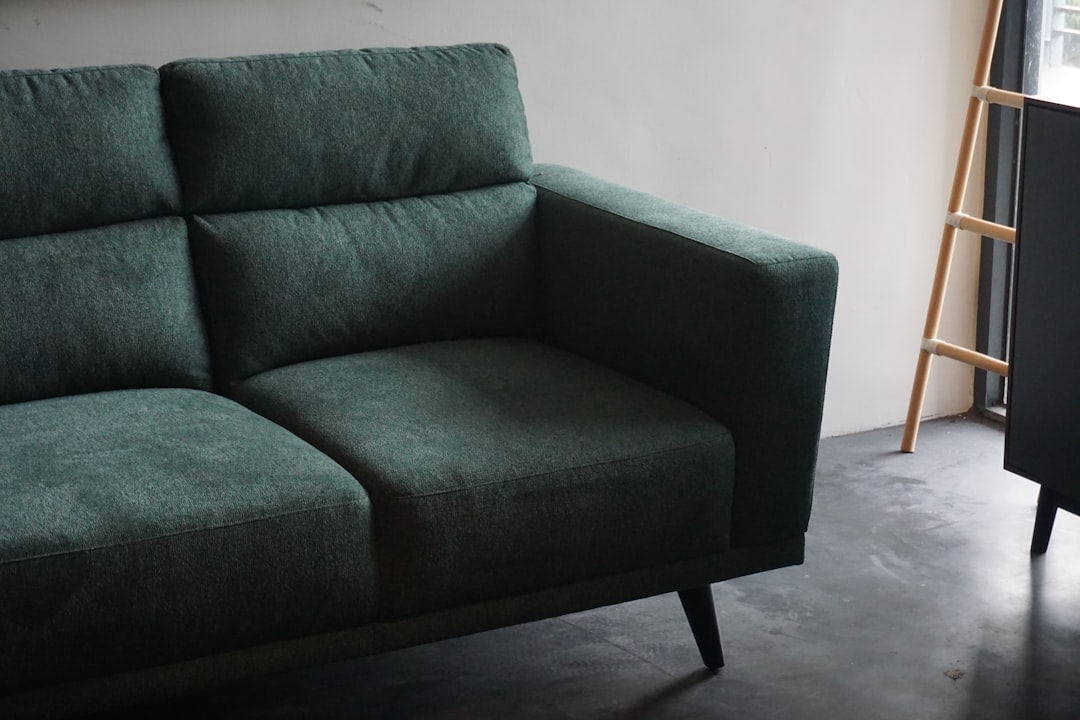
The only time I’d say this isn’t a deal-breaker is if you’re buying a heavily patterned fabric where the design itself will camouflage any minor puckering. But on a plain colour or a smooth leather, uneven tension will show up eventually, especially in the flat afternoon light of a west-facing flat. It’s one of those things you can only catch by touching the piece in person, which is exactly why you’re in the showroom.
The stitching you see along a sofa's skirt or decking isn't just decorative—it's often the only clue you'll get about how the frame underneath is put together. In a showroom, you can't dismantle a sofa to inspect its rubberwood or plywood joints, but loose or uneven stitching in those areas can hint at rushed assembly. That's because the fabric has to be pulled taut and secured around a solidly constructed base; if the frame corners are misaligned or the glue hasn't set properly, the upholsterer struggles to get a clean, tight finish. Over time, those hidden weak spots translate into audible complaints—a persistent squeak when you sit down or a slight wobble that feels unsettling. It's a classic case where the surface detail tells a deeper story about longevity, something a casual glance won't reveal.
Run your hand along the base skirt, feeling for any puckering or gaps in the seam. A perfectly straight, tight line suggests the frame's perimeter is even and the fabric was anchored to a stable foundation. If the stitching waves or dips, especially around corners, the underlying wooden frame might be uneven—perhaps from poorly cut joints or inadequate sanding before upholstery. This isn't just a cosmetic flaw; an uneven skirt can hide gaps where frame members don't meet flush, leading to stress points that eventually crack. In our humid climate, that weakness can be exploited by seasonal wood movement, accelerating the problem. So that skirt isn't just a finishing touch; it's a diagnostic strip.
The decking—the fabric panel under the cushions—should lie flat and taut, without any sagging or ripple. Its stitching, often hidden once cushions are placed, needs to be uniformly tight to keep the decking anchored securely to the frame's internal supports. If you spot loose threads or irregular tension here, it often means the internal cross-braces or centre supports weren't positioned correctly or aren't firmly attached. A slack decking allows cushions to settle unevenly and puts extra strain on the frame's central joints over years of use. That's why lifting the cushions in a showroom to check this often-overlooked area is a smart move—it reveals the hidden groundwork.
Corners are the most critical points on any sofa frame, bearing the combined weight of occupants and enduring constant shifting. The stitching around these corners, particularly where the skirt meets the arm or back, needs to be impeccably neat and strong. Sloppy corner stitching—with threads crossing haphazardly or fabric bunching—is a red flag that the underlying wooden joint might be inadequately glued, screwed, or reinforced. This can lead to that infamous corner sag or a gradual separation that makes the entire sofa feel unstable. For a piece over two thousand dollars, you'd expect corner joints to be rock-solid; the stitching is your first indicator of whether they are.
Ultimately, good stitching isn't about aesthetics alone; it's a proxy for craftsmanship discipline. A factory rushing production might skip proper frame sanding or joint clamping, then try to mask it with hurried upholstery that results in inconsistent stitching. In a flagship showroom, you're paying for the assurance that both the unseen frame and the visible cover meet a high standard—the stitching bridges these two worlds. While you can't see the rubberwood dowels or plywood gussets, you can assess how carefully the fabric was married to them. That marriage, visible in every seam, dictates whether your sofa remains silent and steady for a decade or starts complaining after a few monsoon seasons.
The stitching on a sofa is its backbone—it’s the one thing that keeps everything inside from spilling out over the years. You can look at a cushion and think it’s firm, but the seams are what hold that shape together through countless sittings and lounges. That’s why just glancing at a finished piece in a catalogue isn’t enough; you need to put your hands on a fabric sample and really test how those stitches are holding up.
Find a section you’re considering and run your fingers along the seams. Look for the double-needle stitching—it’s a clear sign of a more durable construction. Single-thread seams might look neat, but they can give way under constant pressure, letting the high-density foam inside slowly migrate or the filling leak out. A tight double row locks everything in place, resisting the pull that happens every time you sink into the sofa or shift your weight. It’s a small detail that makes a huge difference in how the piece ages.
There’s a practical test you can do right in the showroom. Grab a corner of a cushion and give it a firm, but reasonable, tug along the seam line. You shouldn’t feel any gap opening up or see the threads straining. A well-made seam will stay taut and closed. This is especially crucial for sectionals where people often sit right on the joins between modules—those points get extra stress. If the stitching there is weak, you’ll see puckering or even splits after a year or two of use.
The only time I’d say this step isn’t critical is if you’re buying a sofa strictly for very light, occasional use—like in a formal sitting area that’s hardly touched. For any sofa meant for daily life in a 4-room flat, where it’s the centre of family gatherings or evening relaxation, this check is non-negotiable. Skipping it means you’re trusting a photo over the actual physical integrity of a significant investment.
So make that trip to a showroom where you can handle the materials. Seeing the weave of the fabric and feeling the foam underneath it gives you one part of the picture, but testing the seam strength completes it. It’s the final confirmation that the sofa isn’t just comfortable on day one, but built to stay that way for years.
A sofa cushion facing a west-facing window in a 4-room BTO is a front-line soldier in Singapore's climate war. That afternoon sun isn't just about fading colour; it's a heat engine that drives a cycle of expansion and contraction in the materials underneath. The cotton-blend thread holding your cushion seams together absorbs the ambient moisture that builds up in a poorly vented living room, then gets baked by the sun. Over months, it swells, then shrinks, again and again. That repeated stress pulls at the fabric itself, weakening the stitch points until they start to look frayed and loose. You'll see it first on the cushions that get the most direct exposure—the ones you can't rotate away from the window because the sofa's layout is fixed.
It's a process that doesn't care about your price tag. A premium piece with beautiful upholstery can still use standard thread, and that thread will suffer the same fate. In a showroom, under controlled air-con and neutral lighting, every seam looks tight and perfect. You're comparing comfort and fabric feel, not imagining how the afternoon humidity in your own flat will work its way into those tiny fibres. That's the gap between the showroom snapshot and the two-year reality in your home.
So what can you do? If your living room layout traps humidity—maybe it's enclosed or you keep the windows closed against the rain—you need to look beyond the surface fabric. Ask about the thread specification and the seam construction. Some performance fabrics come with more resilient stitching methods, but you have to ask. A sofa that will live in that challenging spot might benefit from a different upholstery choice altogether, one where the seams are less of a focal point. Darker colours or textured patterns can camouflage early wear, but they don't stop it.
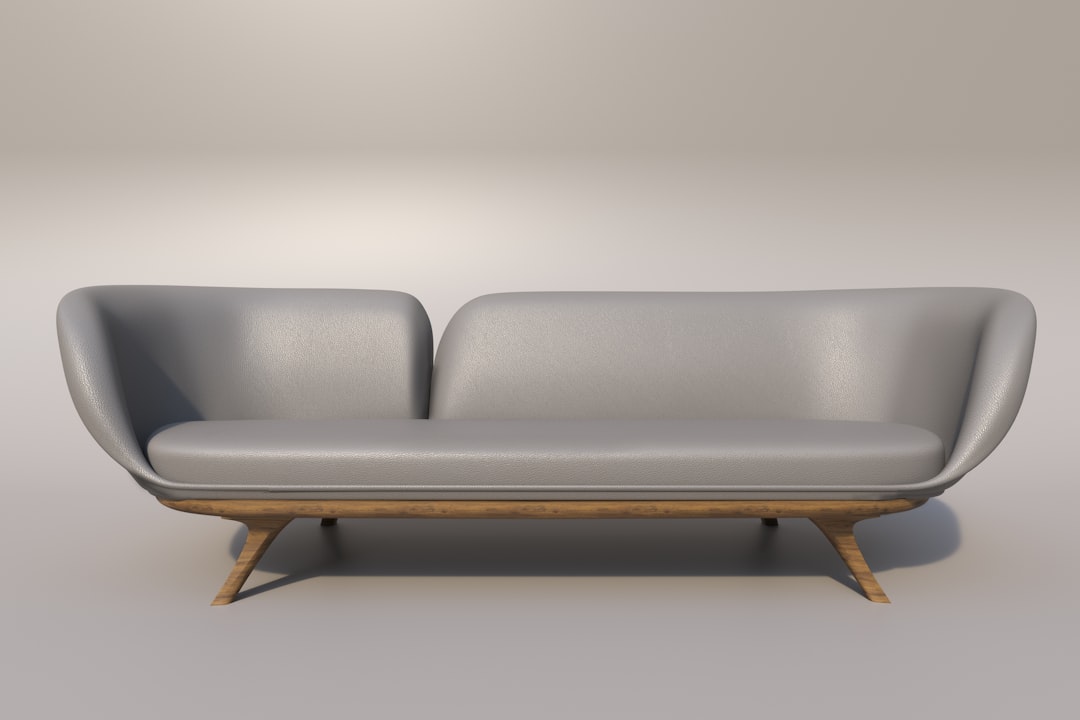
The exception is if your flat's ventilation is excellent, with cross-breezes that keep the air moving and the relative humidity lower. Then, the cycle isn't as severe. But for many HDB layouts, that's not the case. The silent war is already happening, and your sofa's stitching is on the frontline. When you're in a showroom, sitting on that beautiful piece, give a thought to the sun's path through your own living room. It's not just about how it looks today, but how those seams will hold up after twenty-four months of that daily bake-and-soak cycle.
Walk into any showroom and you’ll hear the same handful of questions. Buyers aren’t just looking for a colour or a style—they’re hunting for something that won’t fail them in a few years. The smart ones come armed with queries that go beyond the sales brochure, focusing on the things that truly determine longevity.
How to check sofa stitching quality? Run your fingers along every seam, especially where fabric meets piping or where cushions wrap around corners. Good stitching feels tight and uniform, with no loose threads or puckering. Pull gently on a seam—it shouldn’t gap or stretch easily. Pay extra attention to high-stress areas like the seat base and armrests; any inconsistency there is a red flag.
What sofa fabric lasts longest in Singapore humidity? Performance fabrics like Crypton are engineered for this climate—they resist moisture and stains inherently. For a more natural look, tightly woven synthetic blends outperform loose weaves and bouclé, which trap dampness and dust. Avoid untreated leather; it’s beautiful but can kena mould in our sustained 80%+ humidity without diligent care. Darker, patterned upholstery also hides the inevitable moisture marks better than a light solid.
Can loose sofa stitching be repaired? Minor loose threads can be trimmed, but a seam that’s pulling apart is a structural issue. A proper repair requires re-sewing the entire section, which often means removing the fabric panel—a job for a professional upholsterer, not a simple home fix. If you spot this in a showroom sample, consider it a sign of how the whole piece was put together. It’s usually not worth the hassle and cost later.
Does high price mean better sofa stitching? Not automatically. You can find a SGD $3,000 sofa with rushed, uneven seams and a SGD $1,500 one with neat, tight workmanship. The price tag often covers brand prestige, material cost, or design complexity. The stitching is a result of the factory’s attention and the worker’s skill, which you can assess directly. Don’t let a premium label blind you to a sloppy join.
The one real exception? A custom-made piece from a workshop that prioritises craftsmanship over speed. There, the higher cost usually translates directly into meticulous hand-finishing. For everything else, your own close inspection is the only reliable guarantee.
The stitching on a leather sofa tells you everything about its longevity, and the rule is simple: look for reinforced saddle stitching. You’ll find it on the premium hides, the full-aniline leathers that start around $3,500 and climb well past $4,000. It’s a thick, doubled thread that’s sewn through the leather twice, forming a visible ridge along seams. That ridge isn’t just decorative—it’s armour. In Singapore’s humidity, leather expands and contracts; a standard single-thread seam will eventually pull apart under that stress. The saddle stitch, because it locks each puncture point, won’t. It’s the detail that separates a piece built to last a decade from one that starts fraying after a few humid seasons.
Performance velvet, that poly-cotton blend engineered to resist stains and spills, lives in a different price bracket, typically from $1,800 up to maybe $3,000. Here, the critical check is seam allowance width. Run your finger along the seam line on a showroom sample—you want to feel a generous strip of excess fabric, at least a centimetre, hidden beneath the stitching. A narrow allowance is a factory shortcut; it means there’s barely any margin for re-tensioning or repair if the fabric ever needs adjustment. Over years of use, cushions compress and fabrics shift slightly; that extra allowance is the buffer that keeps seams from becoming taut and eventually splitting. It’s a small thing most buyers don’t know to look for, but it’s a clear signal of conscientious construction.
So, for a long-term investment, prioritise saddle stitching on leather. The exception? If you’re in a west-facing flat with strong afternoon sun, leather—even beautifully stitched leather—can dry out and fade over time. In that specific scenario, a performance velvet with robust seams might actually serve you better, given its inherent resistance to UV fading. But generally, if your budget stretches to the higher tier, that reinforced stitch on a full-aniline hide is the mark you want. It’s the difference between a sofa that merely looks expensive and one that’s built to stay that way for years.
You've sat on it, measured it, and liked the colour. But before you sign the order form and leave the showroom, there's a final, close-up inspection you should do—especially when you're spending a few thousand dollars. It's the kind of check that catches the small things that become big annoyances later, and it's best done with the salesperson right there beside you.
Start with the corners. Get your hands on the bartacks—those reinforced stitches at the end of seams, like where the seat cushion meets the arm. Pull gently on the fabric near them. They should feel tight and secure, not loose or like they're about to fray. A weak bartack is a weak point; it's where a seam will start to open after a year of regular use. Then, take the cushion off and roll it firmly along its length, pressing down on the seam. You're checking for filling shift—if the foam inside feels lumpy or moves under your hands, that cushion won't hold its shape evenly over time.
Light matters. Don't just trust the showroom's perfect lighting. Ask to take the fabric sample or a cushion to a window, or even step outside if you can. The thread colour should match the upholstery under natural daylight; a mismatch that looks fine under LEDs can look glaringly obvious in your living room's afternoon sun. Finally, get clarity on the warranty specifics for stitching. Many cover the frame for a decade, but the stitching might only be covered for a year against defects like unraveling. Have them note it on your paperwork. If they say it's covered for the full warranty period, make sure that's written down.
This isn't about being fussy; it's about being thorough. You're not looking for problems, you're verifying the quality you're paying for. The only time I'd skip this drill is if you're buying a purely display-piece sofa for a seldom-used room—then, maybe, the long-term durability isn't your main concern. But for the sofa that will be your family's daily centrepiece, this last ten minutes in the showroom is your best insurance.