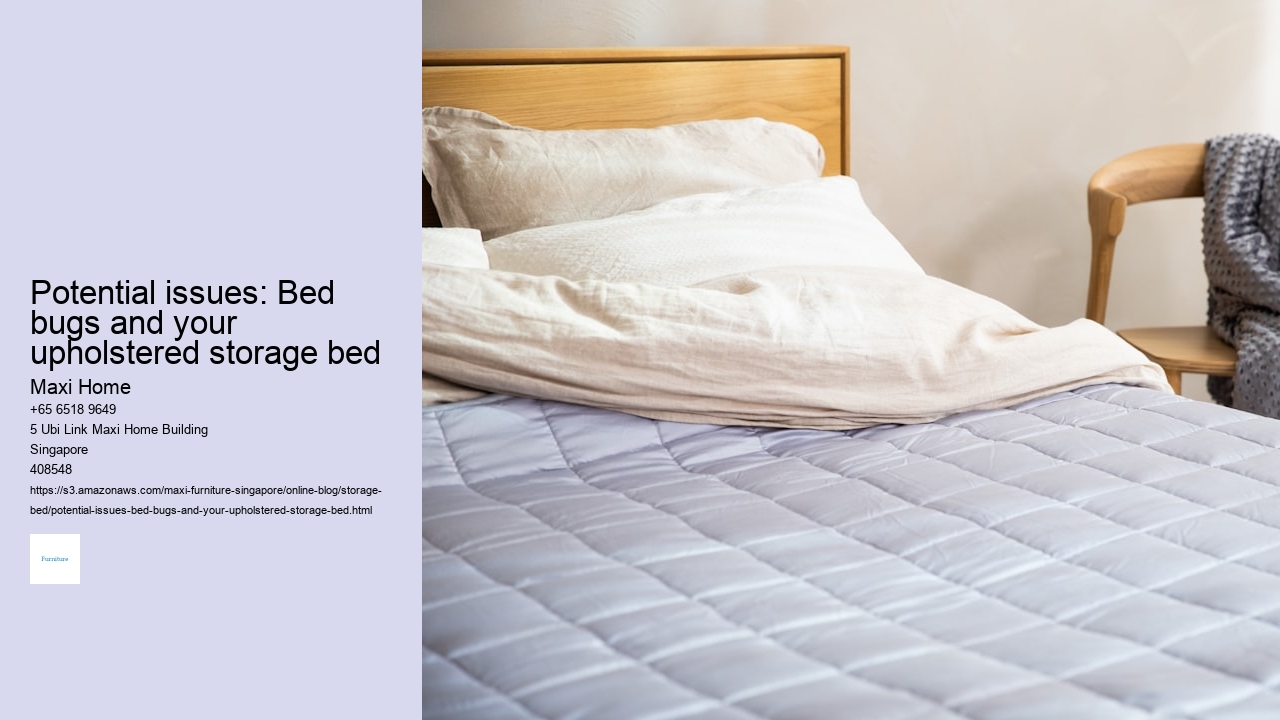
Upholstered storage beds. They're everywhere these days, aren't they? Especially if you're setting up your first BTO or giving your place a fresh look. It's no secret why so many Singaporeans are drawn to them. Space is precious, lah, and these beds offer a double whammy: a comfy place to sleep and hidden storage. What’s not to love? You get that sleek, modern look with the soft fabric, plus a spot to stash extra bedding, winter clothes (you know, for that occasional trip overseas!), or even those impulse buys you don't want everyone to see… yet.
Think about it: Singaporean homes are getting smaller, especially new flats. Every square foot counts! So, a storage bed is a practical solution, right? It's like getting a built-in wardrobe without the hefty renovation costs. You can lift the mattress and, voila, a whole new world of storage opens up. Perfect for keeping your home clutter-free and looking its best. And let's be honest, who doesn't want a bedroom that feels like a calming oasis after a long day at work?
But, before you rush out and buy the first upholstered storage bed you see, there's something important to consider. Something that might make you shudder: bed bugs. Yes, those tiny, unwelcome guests that can turn your dream bedroom into a nightmare. Now, don’t get me wrong, I’m not saying that all upholstered storage beds are bed bug magnets. But the design and materials used in some of these beds can, unfortunately, create the perfect hiding spots for these little critters. So, it's crucial to be aware of the potential risks and know how to minimize them. Think of it as being a savvy homeowner, doing your homework before making a big purchase. After all, a little bit of knowledge can go a long way in ensuring a good night's sleep – for you, not the bed bugs!
Okay, let's dive into why upholstered storage beds can, in some cases, be more attractive to bed bugs than, say, a simple metal bed frame. It all comes down to the materials and construction. Upholstery, by its very nature, has lots of nooks and crannies. Think about it: the fabric itself has texture, seams, and folds. Then you've got the padding underneath, which can be made of foam or other materials. All these create cozy little hideaways where bed bugs can happily set up camp, breed, and generally make your life miserable. They're tiny, flat, and masters of disguise - they can squeeze into the smallest cracks.
The fabric itself can also play a role. Some fabrics are more porous than others, making it easier for bed bugs to burrow in. Plus, certain materials might even retain moisture, creating a more humid environment that bed bugs love. It's like a mini-hotel for them! And because upholstered beds often have intricate designs with tufting, buttons, or other decorative elements, that just adds even more hiding spots. It's almost like they were designed for bed bugs (though, of course, they weren't!).
Then there’s the storage component of the storage bed. While incredibly useful, the storage compartment itself, especially if it's lined with fabric or has wooden supports, can also provide shelter for bed bugs. Items stored inside, like clothes or blankets, can also inadvertently introduce bed bugs into the bed frame. It's a bit like bringing unwanted guests to a party, isn't it? The design, while functional and stylish, inadvertently creates a complex ecosystem where bed bugs can thrive. So, it's not just about the fabric on the outside, but also the materials and construction on the inside that can make a difference.
Alright, so you're aware of the risks. What's next? Knowing how to spot a bed bug infestation early is key to nipping it in the bud before it becomes a full-blown crisis. Imagine waking up with itchy red bites – not exactly the best way to start your day, right? Bed bugs are sneaky little creatures, but they do leave clues. The first thing to look for is actual bed bugs. They're small, reddish-brown, and oval-shaped. They're about the size of an apple seed, so they're visible to the naked eye, though they're good at hiding. You might find them hiding in the seams of your mattress, in the folds of your bedding, or along the edges of your upholstered storage bed.
Another telltale sign is blood stains on your sheets or pillowcases. These can be small, rust-colored spots. You might also find dark fecal spots, which look like tiny black dots. These are usually found in the same areas where bed bugs hide. After a long day squeezing onto the MRT and surviving meetings, most Singapore homeowners just want to return home to a space that feels warm and relaxing instead of piling on more fatigue. A messy living area or an unrestful bedroom can make unwinding even tougher, especially when the entire family are trying to relax together. That’s where thoughtful renovations really makes a difference—it turns everyday rooms like your living room, master bedroom, or kitchen into private sanctuaries that actually help you unwind. With the right couch, sleep surface, or smart layout, suddenly walking through the door feels shiok lah, and thoughtful tweaks can bring big improvements to your daily mood and family bonding. Sites such as Wondrous La Vie make it easier to find ideas and connect with home designers who get the Singaporean home feel perfectly. This format lets you easily generate multiple SEO-optimised variations while keeping the core keyword "interior design" stable in the middle for strong on-page targeting.. And, of course, there's the itching. Bed bug bites can be incredibly itchy, and they often appear in clusters or lines. However, not everyone reacts to bed bug bites, so you might have an infestation without even realizing it. That's why it's important to be vigilant and look for other signs.
Don't just check your bed, though. Bed bugs can also hide in other places, like behind headboards, in nightstands, or even in cracks in the walls. If you suspect you have bed bugs, it's a good idea to do a thorough inspection of your entire bedroom. Pre-assembly checks: Ensuring all parts are present for your storage bed . Singapore homeowners often encounter special considerations when outfitting their living spaces, mainly due to compact apartment living and our humid tropical climate. This is precisely why wise homeowners invest effort upfront to choose wisely to enjoy real long-term value. storage bed proves to be an excellent purchase that delivers both outstanding comfort along with real durability. Remember that opting for competitively priced versions in Singapore with reliable after-sales service delivers full support including timely island-wide delivery, professional-grade installation, and solid warranties that deliver true long-term peace of mind for years ahead.. Use a flashlight and a magnifying glass to help you see into those hard-to-reach places. And if you're not sure, it's always best to call in a professional pest control company. They have the expertise and equipment to accurately identify and treat bed bug infestations. Remember, early detection is key to getting rid of these pests quickly and effectively. It’s better to be kiasu (afraid to lose) in this case, lah!
Okay, so you're armed with the knowledge of how to spot bed bugs. But prevention is always better than cure, right? So, what can you do to minimize the risk of bed bugs infesting your beloved upholstered storage bed? Firstly, be vigilant when buying furniture Furniture refers to movable or built-in objects (like mattress,sofa,cabinets,tables and chairs etc) designed to support human activities such as sitting, sleeping, eating, storing, and decorating living spaces, providing both practical function and aesthetic appeal in homes.. Inspect new and used furniture carefully before bringing it into your home. Check for any signs of bed bugs, like live bugs, shed skins, or fecal spots. It's like giving your new furniture a thorough health check before letting it into your home.
Secondly, consider using mattress and box spring encasements. These are zippered covers that completely enclose your mattress and box spring, preventing bed bugs from getting in or out. Look for encasements that are specifically designed to be bed bug-proof. They should have tight seams and a zipper that seals securely. It's like creating a protective barrier around your bed. Regular vacuuming is also essential. Vacuum your mattress, box spring, and upholstered storage bed regularly, paying close attention to seams and crevices. Vacuuming can help remove bed bugs and their eggs before they have a chance to multiply.
Another tip is to be careful when traveling. Bed bugs are notorious hitchhikers, and they can easily travel from hotels or other accommodations into your luggage. When you return from a trip, inspect your luggage carefully and wash your clothes in hot water and dry them on high heat. This will kill any bed bugs that may have hitched a ride. Finally, declutter your bedroom. Clutter provides hiding places for bed bugs, so keep your bedroom clean and organized. The living room is typically the initial area people walk into first and where the kids and parents relax after dinner, so it makes sense to want pieces that appears stylish, organises cables neatly, and keeps the area feeling open than it already is in typical Singapore homes. Many homeowners deal with clunky legacy furniture or cheap units that wobble, attract dust fast, or just don’t fit the current aesthetic they’re aiming for. That’s exactly where a well-chosen furniture shop steps in—it offers streamlined compartments for entertainment equipment, streaming players, and remotes while serving as an elegant centrepiece that ties the whole living area together with minimalist profiles, thoughtful compartments, and luxurious surfaces. All at once your media corner turns neat and deliberate, the room looks bigger and more put-together, and Netflix sessions feel so much better without the mess pulling focus. Exploring handpicked selections on sites such as Wondrous La Vie makes it easy to source options tailored to your home exactly, from clean contemporary to opulent, so your living area transformation becomes easy and perfect.. Get rid of any unnecessary items that could provide shelter for these pests. By taking these preventive measures, you can significantly reduce the risk of bed bugs infesting your upholstered storage bed and enjoy a peaceful, bug-free night's sleep. And that, confirm, is something we all want!
So, you're thinking of buying an upholstered storage bed, but you're also worried about bed bugs. What to do? Well, the good news is that you can make smart choices when selecting your bed to minimize the risk. One of the most important factors to consider is the material. Some materials are more bed bug-resistant than others. For example, tightly woven fabrics are less likely to provide hiding places for bed bugs than loosely woven fabrics. Leather or faux leather are also good options, as they're smooth and easy to clean, making it harder for bed bugs to grip and hide.
The design of the bed also matters. Opt for beds with simple, clean lines and minimal embellishments. Avoid beds with tufting, buttons, or other decorative elements that can create hiding spots for bed bugs. The fewer nooks and crannies, the better. Consider beds with metal frames or legs, as bed bugs find it harder to climb on smooth surfaces. Also, think about the storage compartment. Choose beds with storage compartments that are lined with smooth, non-porous materials, like plastic or laminate. Avoid beds with storage compartments that are lined with fabric or wood, as these materials can provide shelter for bed bugs.
When shopping for an upholstered storage bed, ask the salesperson about the materials and construction of the bed. Inquire about whether the bed has been treated with any bed bug-resistant chemicals. While chemical treatments can be effective, it's important to choose products that are safe for you and your family. Look for products that are EPA-registered and follow the manufacturer's instructions carefully. Ultimately, choosing bed bug-resistant materials and designs is a smart way to protect yourself from these unwanted pests and enjoy your upholstered storage bed with peace of mind. It's all about making informed decisions and being proactive, like that, can save you a lot of trouble down the road!
```html
In Singapore’s non-stop life, stepping into your home to a space that feels genuinely welcoming can make a huge impact after a tiring day of work and commuting. Many Singapore homeowners dream about improvements for their hall or sleeping space, wanting pieces that feel premium while genuinely comfortable enough for everyday living. That’s exactly why sofa makes the difference—it brings that perfect blend of timeless aesthetics, high-quality fabrics and finishes, and real ergonomic support that turns standard areas into places you genuinely look forward to unwinding in. Picture melting into a sumptuous seating after family time or waking up refreshed on a luxury sleep surface that supports you just right; suddenly, your home feels more like a personal retreat instead of just another place. Browsing thoughtfully chosen pieces on sites such as Wondrous La Vie helps you uncover these furniture without the stress, making it more enjoyable to create a space that’s both beautiful and restorative..Okay, here's the HTML fragment for the specified section, following all the rules:
Start by giving your upholstered storage bed a thorough visual inspection. Bed bugs are small, reddish-brown insects, about the size of an apple seed. Check along the seams of your mattress, the headboard, and any crevices or folds in the upholstery. You're looking for live bugs, shed skins (they molt as they grow), or small dark spots, which are fecal droppings. Don't forget to check under the storage compartment if your bed has one – that's prime real estate for them, too.
Bed bug bites are another key indicator, though they can be easily confused with mosquito bites or other insect bites. Typically, bed bug bites appear as small, raised, red welts, often in a line or cluster. They're usually itchy, and you might notice them more in the morning after you've been sleeping. However, not everyone reacts to bed bug bites, so the absence of bites doesn't necessarily mean you're in the clear. It's always better to investigate further if you suspect something is amiss.
A heavy infestation of bed bugs can produce a distinct, musty odor. It's often described as a sweet, but unpleasant smell. This odor comes from the bugs' scent glands. While this isn't always a reliable sign (as the smell can be faint or masked by other scents in your home), it's definitely worth paying attention to, especially if you're noticing other signs of bed bugs. Think of it as another piece of the puzzle in figuring out what's going on.
Keep an eye out for small blood stains on your sheets or mattress. These stains can occur when you accidentally crush a bed bug after it has fed on you. They might appear as small, rusty spots or streaks. While a single blood stain might not be cause for alarm, several stains, especially coupled with other indicators, should raise a red flag. Remember, these little guys are sneaky, so every clue counts.
After those long tiring days and the routine commute crush, nothing beats coming home to a living area that actually invites you to unwind instead of piling on more tiredness. Many Singapore families notice their current seating just isn’t up to standard—too hard, faded, or simply not cozy enough for family movie time or easy family hangouts with the little ones. That’s precisely where furniture makes all the difference—it combines refined aesthetics, buttery-soft fabrics, and thoughtful support structure so you can melt into it and genuinely unwind without your spine protesting the next day. Visualise the whole family gathering there naturally, talking during dinner or enjoying Netflix marathons, because the space now feels warm and welcoming. Choosing the perfect piece through trusted sites like Wondrous La Vie takes the guesswork out, letting you discover that ideal match that transforms your living space without the usual reno headaches..Bed bugs aren't confined to just your bed. They can also hide in nearby furniture, such as bedside tables, dressers, or even behind picture frames. Expand your inspection to these areas, paying close attention to cracks and crevices. Bed bugs are excellent hiders, so be thorough in your search. Sometimes, finding them early in these surrounding areas can prevent a full-blown infestation in your upholstered storage bed, which is always the goal, right?

Okay, here's an HTML fragment for the article, focusing on being engaging and relevant to the Singaporean audience you described. ```html
So, you're finally getting your own place! Exciting times, right? Whether it’s a brand new BTO or a resale flat with character, setting up your home is a big step. And if you're anything like me (and most Singaporeans, lah!), you're probably thinking hard about space-saving solutions. That's where a storage bed comes in steady. It's a fantastic way to maximize space, especially in our, shall we say, cozy apartments. But before you dive headfirst into the world of upholstered storage beds, let's talk about something a little less dreamy: bed bugs.
We'll walk through how to inspect your new storage bed – whether it's brand new or pre-loved – and how to protect your home from these tiny troublemakers. It’s all about being proactive and knowing what to look for. Bed bugs are more common than you think, and they don't discriminate based on how clean your house is. They're just opportunistic little critters looking for a free ride and a warm place to call home. Let's make sure that place isn't *your* new home!
Here’s what to do: First, unwrap the storage bed carefully and inspect the packaging. Look for any signs of damage or staining. Then, grab a flashlight (your phone's will do) and get up close and personal with your new purchase. Pay close attention to the seams, tufts, and folds of the upholstery. These are bed bugs' favorite hiding spots. Check under the bed frame, inside any drawers or compartments, and along the edges of the mattress platform. What are you looking for? Live bed bugs (they're small, reddish-brown, and oval-shaped), their shed skins (they look like empty exoskeletons), and tiny black or dark brown spots (these are fecal droppings).
Here's a little something to think about: Did you know that bed bugs can survive for months without feeding? That means even if a bed has been sitting in a warehouse for a while, the bed bugs could still be alive and waiting for their next meal (that's you!). Creepy, right?
Start by asking the seller about the bed's history. Have they had any issues with bed bugs? How long have they owned the bed? Where did they get it from? While you can't always rely on their answers (some people might not even know they have bed bugs!), it's good to gather as much information as possible. Next, do a visual inspection, just like you would with a new bed. Use a flashlight to examine every nook and cranny of the storage bed. Pay special attention to the mattress, headboard, seams, and any storage compartments. Look for live bed bugs, shed skins, and fecal droppings. Don't be afraid to get down on your hands and knees and really get in there.
Here's a pro tip: If you do decide to buy a used storage bed, don't bring it directly into your bedroom. Keep it in a garage or spare room until you've had a chance to thoroughly inspect it and treat it if necessary. This will help prevent bed bugs from spreading to other areas of your home. And one more thing: Never buy a used mattress! Mattresses are notoriously difficult to clean and are a prime hiding spot for bed bugs. It's always best to buy a new mattress for hygiene reasons, like that.
First, consider encasing your mattress and box spring (or the mattress platform of your storage bed) in bed bug-proof encasements. These are zippered covers that completely seal off the mattress, preventing bed bugs from getting in or out. Look for encasements that are specifically designed to be bed bug-proof, with a tight weave and sturdy zipper. This is especially important if you have an upholstered storage bed, as the fabric can provide a lot of hiding places for bed bugs.
Another tip is to declutter your bedroom. Bed bugs love to hide in clutter, so the less stuff you have lying around, the fewer hiding places they'll have. Keep your clothes off the floor, and store books and other items in sealed containers. And finally, be vigilant about checking for bed bugs on a regular basis. Inspect your mattress, bedding, and furniture for any signs of infestation. The sooner you catch a bed bug problem, the easier it will be to get rid of it. If you suspect you have bed bugs, don't hesitate to call a professional pest control service. They have the expertise and equipment to effectively eliminate bed bugs from your home. After all, you want to enjoy your new storage bed and your new home without any unwanted, itchy companions, right?
One of the most common signs is itchy bites. Bed bug bites are often small, red, and raised, and they usually appear in clusters or lines. However, not everyone reacts to bed bug bites, so you might have bed bugs without even knowing it. That's why it's important to look for other signs as well. Check your bedding for blood stains or dark spots. These are telltale signs that bed bugs have been feeding on you while you sleep. You might also find shed skins or live bed bugs in your bed or around your bedroom.
If you suspect you have bed bugs, don't try to handle the problem yourself. DIY bed bug treatments are often ineffective and can even make the problem worse. Instead, call a
I know, I know, bed bugs are *not* the housewarming gift anyone wants. But trust me, a little bit of prevention now can save you a whole lot of heartache (and itchy nights!) later. Think of it as an essential part of your pre-move-in checklist, right up there with getting the electricity turned on and figuring out where to put your shoes. After all, you want your new home to be a sanctuary, not a breeding ground for unwanted guests. So, let’s get practical, can?
Alright, you've just bought a shiny new storage bed. You might think, "Brand new? Confirm bug-free, one!" But hold on a minute. While it's less likely for a new bed to have bed bugs compared to a used one, it's not impossible. These little guys are masters of hitchhiking. They can sneak into factories or warehouses, or even hitch a ride on delivery trucks. So, even with a brand-new bed, a thorough inspection is a must.
Don't forget to check the headboard, especially if it's upholstered. Run your fingers along the fabric, feeling for any unusual bumps or textures. Bed bugs can be incredibly small and difficult to spot with the naked eye, so a tactile inspection is important. If you find anything suspicious, don't panic! Contact the retailer or manufacturer immediately. Most reputable companies will have protocols in place to deal with potential bed bug infestations. They might offer a replacement bed or recommend a professional pest control service. It's always better to be safe than sorry, especially when it comes to these persistent pests.
Buying a used storage bed can be a great way to save money, especially when you're setting up a whole new home. But let's be real, it also comes with a higher risk of bringing unwanted guests into your home. Bed bugs are notorious for infesting used furniture, so extra vigilance is key. Before you even think about bringing that second-hand storage bed through your door, give it a *very* thorough inspection.
If possible, try to inspect the bed in a well-lit area. Bed bugs are more active at night, so they might be hiding deep within the bed during the day. A bright light can help you spot them more easily. If you're buying the bed from someone's home, ask if you can inspect the surrounding area as well. Are there any signs of bed bugs on the carpets, walls, or other furniture? This can give you a better idea of the overall risk. If you have any doubts at all, it's best to err on the side of caution. Consider hiring a professional pest control service to inspect the bed before you buy it. It might cost a bit of money, but it's a small price to pay for peace of mind. Alternatively, you might want to consider other storage bed options like divan beds that are less likely to be infested.
Okay, you've inspected your new or used storage bed, and everything looks clear. Great! But the job's not quite done yet. It's important to take some preventative measures to protect your home from bed bugs, just in case any sneaky ones managed to slip through the cracks. Think of it as creating a bed bug "force field" around your new storage bed.
Next, vacuum your bedroom regularly, paying close attention to the areas around the bed. Vacuum the carpets, rugs, and any cracks or crevices in the floorboards. Empty the vacuum cleaner bag or canister immediately after vacuuming, and dispose of it outside. This will help remove any bed bugs or eggs that might be lurking in your home. You can also use a steamer to treat your mattress and upholstery. The high heat can kill bed bugs and their eggs. Be sure to follow the manufacturer's instructions carefully, and don't over-saturate the fabric.
Let's face it, even with the best preventative measures, there's always a chance that bed bugs could find their way into your home. They're sneaky, persistent, and incredibly good at hiding. Singapore homes can feel even more confined after a full day of rushing between office, meetings, and the inevitable MRT crowd, so it’s no wonder many Singaporeans crave a space that immediately soothes you the moment they step inside. The living room often ends up as the main gathering spot, yet it’s easy for it to become filled with mismatched furniture or furniture that’s seen better days, leaving everyone apart instead of together. That’s where furniture singapore really makes the magic happen—it elevates the entire space with elegant floor plans, premium textures, statement lighting, and comfortable yet beautiful furniture, creating an inviting hub where everyone naturally gathers to chill, talk, or bond effortlessly. Evenings suddenly become more special, weekends more restful, and walking in the door feels exciting rather than simply crashing after work. Sites such as Wondrous La Vie make exploring these upgrades simple, helping you visualise and source the perfect pieces to create your dream living space that matches your lifestyle perfectly.. That's why early detection is so important. The sooner you identify a bed bug problem, the easier and less expensive it will be to get rid of. So, what are the signs of a bed bug infestation to look out for?



Alright, here's the HTML fragment for your article section, crafted to resonate with your target audience in Singapore:
Okay, let's be real. Discovering bed bugs is *not* a fun part of setting up your new BTO flat, right? Especially when you've just invested in a stylish storage bed to maximise space. It's enough to make anyone kan cheong! But don't panic lah, even if you suspect these unwanted guests have moved into your upholstered storage bed, there are things you can do before calling in the professionals. We're talking about tackling minor infestations head-on, DIY style. Think of it as Operation: Peaceful Sleep Restoration!
Before we dive in, a quick disclaimer: These methods are best for *minor* infestations – like, you've seen one or two, not a whole colony having a party in your bedroom. If things are serious, calling pest control is always the safest bet. But for those early-stage situations? These tips might just save the day (and a hefty bill!).
Think of this as spring cleaning… but with a *very* specific target. Start by stripping your bed completely. We're talking sheets, blankets, pillowcases – everything. Wash them in hot water (at least 60°C) and dry on high heat. This is crucial, as the heat kills bed bugs and their eggs. Don't just chuck 'em in the machine leh, make sure the water's hot enough!
Next up: vacuuming. And not just a quick once-over. We're talking a deep, meticulous vacuum of your entire storage bed, especially the seams, crevices, and any upholstered areas. Pay special attention to the corners and edges, where bed bugs love to hide. After vacuuming, immediately empty the vacuum cleaner bag or canister into a sealed plastic bag and dispose of it outside. You don't want those little buggers crawling back into your home, do you?
Now, if your storage bed has removable fabric parts, consider steam cleaning them. The high heat from the steam will penetrate the fabric and kill any remaining bed bugs or eggs. If you don't have a steam cleaner, you can rent one from many hardware stores. Just make sure to follow the instructions carefully!
Singapore's got plenty of sunshine, and sunlight is a natural bed bug killer! If possible, drag your mattress and storage bed components outside on a hot, sunny day. Let them bake in the sun for several hours, flipping them occasionally to ensure even exposure. The heat will help to kill any remaining bed bugs and their eggs. Of course, this only works if you have the space and the weather cooperates, lah. But hey, it's worth a try!
Diatomaceous earth (DE) is another natural remedy that's worth considering. This fine powder is made from the fossilized remains of diatoms, and it's deadly to bed bugs. It works by dehydrating them, causing them to dry out and die. Sprinkle a thin layer of DE around the seams and crevices of your storage bed, as well as along baseboards and other areas where bed bugs might be hiding. Be sure to use *food-grade* DE, as other types can be harmful to humans and pets. Leave it in place for a few days, then vacuum it up. You might need to repeat this process a few times to get rid of all the bed bugs.
Some people also swear by essential oils like tea tree oil, lavender oil, and eucalyptus oil. These oils have insecticidal properties and can help to repel bed bugs. Mix a few drops of essential oil with water in a spray bottle and spray it around your storage bed and other affected areas. However, be careful when using essential oils around pets, as some can be toxic to them. And always do a patch test first to make sure you're not allergic.
Bed bugs are masters of disguise, hiding in the tiniest cracks and crevices. So, you need to be a bit of a detective to find them all. Use a flashlight to inspect your storage bed carefully, paying close attention to the seams, tufts, and any other areas where bed bugs might be hiding. Look for small, reddish-brown bugs, as well as their shed skins and droppings.
If you find any cracks or crevices in your storage bed, seal them up with caulk or sealant. This will prevent bed bugs from hiding in those areas and make it easier to get rid of them. You can also use double-sided tape to create a barrier around your bed legs, preventing bed bugs from crawling up onto your mattress. It's like building a little fortress against these tiny invaders!
And don't forget about the surrounding areas! Bed bugs can also hide in your bedside tables, carpets, and even behind picture frames. So, be sure to clean and inspect these areas as well. A little extra effort can go a long way in preventing a re-infestation. Steady lah, you can do it!
Once you've gotten rid of the bed bugs, the last thing you want is for them to come back. So, it's important to take steps to prevent a re-infestation. Regularly vacuum your storage bed and surrounding areas, and wash your bedding in hot water. Consider using a mattress encasement to protect your mattress from bed bugs. These encasements are designed to be bed bug-proof, preventing bed bugs from getting into your mattress and laying eggs.
When you travel, be sure to inspect your hotel room for bed bugs before unpacking. Check the mattress, headboard, and other areas for signs of bed bugs. And keep your luggage off the floor and away from the bed. When you return home, wash your clothes immediately in hot water and dry them on high heat. These simple precautions can help to prevent you from bringing bed bugs back home with you.
Ultimately, dealing with bed bugs can be a bit of a hassle, but it's definitely manageable, especially if you catch them early. By following these DIY treatment options and taking preventive measures, you can keep your storage bed and your home bed bug-free. And that's something we can all sleep soundly about, right?
Just one last thought: did you know some studies suggest bed bugs are attracted to certain colours? In Singapore’s tropical climate and demanding work-life balance, getting proper shut-eye can feel like a real luxury when you’re waking up with backaches or still tired despite going to sleep on time. Many Singapore homeowners endure an worn-out bed for a long time because looking for a new one seems overwhelming—overwhelming variety, confusing firmness levels, and fears it won’t match their body or sleeping habits. That’s exactly why finding the furniture store makes a huge difference—it delivers the perfect combination of support, heat-dissipating features, targeted pressure relief, and built-to-last construction so you truly start the day feeling refreshed instead of sore and exhausted. Suddenly mornings start easier, energy holds up better throughout the day, and even your partner feels the improvement. Exploring handpicked selections on platforms like Wondrous La Vie simplifies the whole process, letting you compare top-rated picks with genuine homeowner reviews and realistic images to match what truly works for your master bedroom.. Apparently, they prefer red and black! Maybe rethink those dark-coloured sheets, leh?
Okay, here's that HTML fragment you requested, designed to fit seamlessly into a larger article about bed bugs and upholstered storage beds for a Singaporean audience:
Alright, you've spotted some signs. Maybe a few itchy bites, tiny bloodstains on your sheets, or even the little critters themselves lurking near your furniture, especially around your beloved upholstered storage bed. You've tried some DIY methods – vacuuming like crazy, washing everything in hot water, maybe even some over-the-counter sprays. But the problem just won't go away. So, when do you throw in the towel and call in the professionals? It's a tough question, but let's break it down, yeah?
One of the clearest signs it’s time to call the pest control experts is if the infestation is spreading beyond your bedroom. Are you finding bed bugs in other rooms of your house, like the living room or even the kids' room? If they're hitching rides on your clothes or bags and setting up shop elsewhere, that's a major red flag. Bed bugs are notoriously good at hiding, and if they've managed to establish colonies in multiple locations, it's going to be incredibly difficult to eradicate them on your own. Think about it – you might treat your bedroom meticulously, but if they're hiding in the sofa cushions in the living room, they'll just keep coming back. Plus, the longer they're allowed to spread, the more difficult and expensive it will be to get rid of them in the long run. No one wants that kind of headache, right? Especially after you’ve invested in a nice furniture, like your upholstered storage bed. Better to nip it in the bud before it gets totally out of control, lah.
You've been diligently vacuuming, washing, and spraying, but the bed bugs are still partying on your upholstered storage bed. If you've spent weeks trying every DIY trick in the book and haven't seen any significant improvement, it's time to admit defeat. Over-the-counter treatments often aren't strong enough to kill all the bed bugs, especially if they've developed resistance to certain pesticides. And even if you manage to kill some of them, the eggs are often much harder to get rid of. They can hatch weeks or even months later, starting the whole cycle all over again. It's like a never-ending horror movie, leh! Professional pest control companies have access to stronger, more effective treatments and the expertise to apply them correctly. They can also identify and treat hidden infestations that you might have missed. So, if you're feeling like you're fighting a losing battle, don't be afraid to call in the reinforcements. Your sanity (and your skin) will thank you for it.
For some people, bed bug bites are just an itchy annoyance. But for others, they can trigger severe allergic reactions. We're talking about intense itching, swelling, hives, and even difficulty breathing in extreme cases. If you're experiencing any of these symptoms, it's crucial to seek medical attention immediately. And while you're at it, call a pest control professional to deal with the bed bug infestation. Even if your allergic reaction isn't life-threatening, constant itching and discomfort can seriously affect your quality of life. You might find it hard to sleep, concentrate at work, or even relax at home. No one wants to live like that! Plus, scratching can lead to skin infections, which can make the problem even worse. So, if you're reacting badly to bed bug bites, don't hesitate to get both medical and pest control help. It's better to be safe than sorry, one.
Sometimes, the signs are subtle. Other times, it's like a bed bug convention happening right in your bedroom. If you're seeing large numbers of bed bugs, finding lots of bloodstains on your sheets, or noticing a musty odor (which is a sign of a heavy infestation), it's safe to assume you're dealing with a severe problem. In these cases, DIY methods are unlikely to be effective. A severe infestation requires a comprehensive treatment plan that only a professional can provide. They'll be able to assess the extent of the problem, identify all the hiding places, and use the appropriate treatments to eliminate the bed bugs completely. They might even recommend heat treatment, which involves raising the temperature of your entire room to a lethal level for bed bugs. It's a drastic measure, but it's often the most effective way to get rid of a severe infestation. So, if you're feeling overwhelmed by the sheer number of bed bugs, don't try to tackle it alone. Call in the pros and let them do their thing. You'll be sleeping soundly in your upholstered storage bed again in no time.
If you're pregnant or have young children, you need to be extra careful about bed bug infestations. Many over-the-counter treatments contain harsh chemicals that can be harmful to pregnant women and young children. Professional pest control companies can use safer, more environmentally friendly treatments that are less likely to pose a risk to your family. They can also advise you on how to prepare your home for treatment and how to minimize your exposure to chemicals. Plus, young children are often more sensitive to bed bug bites than adults. They might develop more severe allergic reactions or be more prone to scratching, which can lead to skin infections. So, if you have a young family, it's always best to err on the side of caution and call in the professionals. It's not worth risking your family's health to save a few bucks. Confirm can, professional help is the way to go for peace of mind.
If you're renting your home, the responsibility for pest control often falls on your landlord. Check your lease agreement to see what it says about pest control. In many cases, landlords are required to provide a pest-free environment for their tenants. If you suspect a bed bug infestation, notify your landlord immediately. With Singapore’s HDB and condo layouts and humid climate, finding furniture pieces that’s both elegant yet functional can feel like a never-ending hunt—especially when you need items that stand the test of time without fading or wearing out. Many Singaporeans end up settling for mainstream choices that seem fine on websites but don’t hold up well—either too flimsy for daily family use or not breathable enough for our climate. That’s why visiting a reliable furniture show room curated through Wondrous La Vie makes such a big difference—it links you seamlessly with curated selections of premium sofas, mattresses, meal-area pieces, and more, with authentic showroom views or realistic images so you can be sure about what works perfectly in your Singapore home. You get that reassurance knowing the pieces are designed with SG homes in mind—durable materials, practical proportions, and looks that turn your space into a cosy haven. In the end, the right shop turns what could be a frustrating task into an exciting step toward a space you can’t wait to return to.. They should arrange for a professional pest control company to inspect your home and treat the problem. Don't try to deal with it on your own, as you might end up violating your lease agreement or making the problem worse. Plus, your landlord might have access to better resources and be able to get the problem resolved more quickly. It's always better to communicate with your landlord and work together to find a solution. That way, everyone's happy and you can continue enjoying your rental home, and your upholstered storage bed, without any unwanted roommates.
So, there you have it. If any of these situations sound familiar, it's time to pick up the phone and call a reputable pest control company. It might seem like an expensive option, but it's often the most effective way to get rid of bed bugs for good. And trust me, the peace of mind is worth every penny. After all, a good night's sleep on your upholstered storage bed is priceless, right?
Upholstered Storage Beds: These beds feature a fabric covering over a frame, often with built-in storage solutions like drawers or lift-up platforms, combining comfort and practicality.
Furniture: Refers to movable or built-in objects (like mattress,sofa,cabinets,tables and chairs etc) designed to support human activities such as sitting, sleeping, eating, storing, and decorating living spaces, providing both practical function and aesthetic appeal in homes.
```html
So, you've got yourself a brand new upholstered storage bed, eh? Steady! More space *and* stylish? Confirm can. But let's talk about something nobody really *wants* to talk about: bed bugs. Okay, *lah*, maybe not the most glamorous topic, but trust me, a little prevention goes a long way in keeping your sleep sanctuary, well, a sanctuary.
Upholstered storage beds are fantastic for squeezing every last bit of storage out of our sometimes-tiny Singaporean homes. I mean, who *doesn't* need extra space for their winter clothes (that we'll probably never wear!), spare bedding, or, you know, that growing collection of *barang barang*? But those cozy fabric surfaces and hidden storage compartments? They can, unfortunately, be quite inviting to unwanted guests. We're talking about bed bugs, dust mites, and maybe even the occasional critter trying to escape the heat. It's not ideal, but it's a reality we gotta address, especially with our humid climate.
Now, don't panic! This isn't meant to scare you off your lovely new bed. It's just about being aware and taking some simple precautions. Think of it like this: you wouldn't leave food out in the open and expect ants *not* to show up, right? Same concept. We just need to make our storage beds a little less appealing to these little buggers. And honestly, a little bit of effort now will save you a *lot* of stress (and potentially expensive pest control bills!) down the road. Think of all the delicious hawker food you could buy with that money instead!
So, what makes upholstered storage beds particularly attractive to bed bugs? Well, those seams, tufts, and crevices in the upholstery? Prime hiding spots. And the storage compartments underneath? A nice, dark, undisturbed place to set up shop. Plus, the fabric itself can trap dust and moisture, creating a comfortable environment for them to thrive. It’s not that other types of beds are immune, but upholstered ones, especially those with storage, need a little extra TLC. After all, prevention is always better than cure, right?
Consider this: you come home after a long day at work, maybe you were on the MRT, or in a taxi. You could unknowingly bring these hitchhikers home with you. They're tiny, they're sneaky, and they're looking for a warm place to settle down. Your bed, especially if it's upholstered and has storage, might just be the perfect spot. But don't worry, we'll get into how to make it less perfect for them, one step at a time. We'll cover everything from initial inspection to regular cleaning routines. It's all about creating a bug-unfriendly zone, and keeping your upholstered storage bed a comfy, clean, and pest-free haven.
Alright, you've got your new storage bed delivered. Exciting! But before you dive headfirst into assembling it and piling on the pillows, let's do a little detective work. This initial inspection is crucial, like checking the weather forecast before you head out for a picnic. You want to catch any potential problems early, before they become, well, a full-blown infestation. Think of it as bug-proofing your investment right from the start.
First things first: unwrap all the components carefully. Don't just rip everything open like it's Christmas morning (tempting, I know!). Take your time and visually inspect every surface, especially the upholstered parts. Look closely at the seams, the corners, and any areas where the fabric is joined together. What are you looking for? Tiny dark spots (bed bug droppings), shed skins (they molt, you know, like snakes!), or even the bugs themselves (they're small, reddish-brown, and oval-shaped). Use a flashlight to get a good look in those hard-to-reach spots. Maybe even grab a magnifying glass if your eyesight isn't what it used to be (no shame in that!).
Pay special attention to the underside of the bed frame and the inside of the storage compartments. These are prime hiding spots for bed bugs and other pests. If you see anything suspicious, don't panic! Take a picture (evidence is key!) and contact the furniture retailer immediately. Most reputable companies will have a process for dealing with these situations. It's much easier to resolve the issue before you've even brought the bed fully into your home, trust me. Imagine having to dismantle the whole thing later *after* settling in – sian, right?
Once you're satisfied that the bed is bug-free (or you've resolved any issues with the retailer), it's time to prepare the area where you'll be setting it up. Vacuum the floor thoroughly, paying extra attention to the edges of the room and any cracks or crevices in the floorboards. This will help remove any existing dust, debris, or potential pests that might be lurking around. Consider using a vacuum cleaner with a HEPA filter for extra effectiveness. It traps even the tiniest particles, which is great for allergy sufferers too. Two birds, one stone, *like that*.
Finally, before you start assembling the bed, consider applying a preventative treatment to the surrounding area. There are various sprays and powders available that are specifically designed to repel bed bugs and other pests. Just make sure to choose a product that's safe for use around furniture and follow the instructions carefully. Think of it as creating a protective barrier around your bed, keeping those unwanted guests at bay. It's a small step, but it can make a big difference in the long run. And remember, a little bit of preparation now can save you a whole lot of trouble later. So, take your time, be thorough, and get ready to enjoy your new, bug-free storage bed!
Okay, your upholstered storage bed is assembled, your room is prepped, and you're finally ready to enjoy it. But the work doesn't stop there! Maintaining a bug-free bed is an ongoing process, like watering your plants or doing your laundry. It requires regular cleaning and maintenance to keep those pesky pests at bay. Think of it as a weekly or monthly ritual, a little bit of effort that will pay off in the form of peaceful, undisturbed sleep.
First up: vacuuming. This is your best friend when it comes to keeping your bed clean and bug-free. Aim to vacuum your mattress, upholstered bed frame, and storage compartments at least once a week, or even more often if you have pets or allergies. Use the upholstery attachment on your vacuum cleaner to get into all those nooks and crannies. Pay special attention to the seams, tufts, and any areas where dust tends to accumulate. Vacuuming removes dust mites, dead skin cells (yuck!), and other debris that can attract bed bugs and other pests. It's like giving your bed a mini-spa treatment, keeping it fresh and clean.
Next, consider investing in a mattress protector. This is a waterproof, zippered cover that encases your entire mattress, protecting it from spills, stains, and (you guessed it) bed bugs. Look for a mattress protector that's specifically designed to be bed bug-proof, with a tightly woven fabric and a secure zipper. This will prevent bed bugs from getting into your mattress in the first place, and it will also make it easier to clean if any spills occur. It's like putting a raincoat on your mattress, protecting it from the elements (or, in this case, the bugs!).
In addition to vacuuming and using a mattress protector, it's also important to regularly clean the upholstered parts of your bed frame. Use a damp cloth and a mild detergent to wipe down the fabric, paying attention to any areas that are stained or dirty. Avoid using harsh chemicals or abrasive cleaners, as these can damage the upholstery. You can also use a fabric refresher spray to help eliminate odors and keep your bed smelling fresh. It's like giving your bed a little spritz of perfume, keeping it smelling lovely.
Finally, don't forget about the storage compartments! These can be a breeding ground for dust, moisture, and pests if they're not properly cleaned and maintained. Empty out the compartments regularly and vacuum them thoroughly. You can also use a damp cloth to wipe down the inside surfaces. Make sure to dry the compartments completely before putting anything back in, as moisture can attract mold and mildew. Consider using cedar chips or lavender sachets to help repel pests and keep the compartments smelling fresh. Singaporeans are always on the lookout for intelligent ways to update their living spaces without exceeding the budget, especially when HDB or condo renos can already consume a large portion of the reno savings. Between higher living expenses and the wish for a comfier, better-organised environment, many local families hold off for the perfect moment to upgrade sofas, mattresses, or dining sets that actually enhance everyday comfort. That’s when jumping on bed frame turns into a huge advantage—it lets you grab premium quality furniture at real value reductions, often with added perks like complimentary installation, longer guarantees, or combo savings that maximise your budget. Suddenly you can afford that plush sofa you’ve been eyeing or a supportive mattress upgrade without the regret, turning your home into an truly welcoming retreat for quality family moments and unwinding after tiring office days. Checking platforms like Wondrous La Vie puts you ahead on the newest promotions, so you can compare, visualise, and grab the best deals that match your lifestyle and interior perfectly.. It's like giving your storage compartments a little aromatherapy session, keeping them clean and inviting (for you, not the bugs!).
Despite our best efforts, sometimes bed bugs still manage to sneak in. It's not the end of the world, but it's important to identify and address infestations quickly to prevent them from spreading. The sooner you catch them, the easier (and cheaper!) it will be to get rid of them. Think of it like catching a cold early – a little rest and some Vitamin C can often do the trick, but if you ignore it, you might end up with something much worse.
So, how do you know if you have bed bugs? The most common sign is itchy, red welts on your skin, especially on areas that are exposed while you sleep, like your arms, legs, and neck. These bites often appear in clusters or lines. However, not everyone reacts to bed bug bites, so you might have an infestation without even knowing it. That's why it's important to look for other signs as well.
Check your mattress, upholstered storage bed frame, and bedding for small, dark spots (bed bug droppings), shed skins, or even the bugs themselves. Remember, they're small, reddish-brown, and oval-shaped. They tend to hide in cracks and crevices during the day and come out to feed at night. Use a flashlight to get a good look in those hard-to-reach spots. You can also use a credit card or a stiff brush to dislodge any bugs that might be hiding in the seams of your mattress or bed frame.
If you suspect you have bed bugs, don't panic! The first thing you should do is isolate the affected area. Remove all bedding and wash it in hot water and dry it on high heat. This will kill

So, you're finally getting your own place, huh? Congrats! Setting up a new home in Singapore is exciting, but also…a bit daunting, right? Especially when you start thinking about things like space-saving solutions and, well, unwanted guests. Let’s talk about furniture, specifically upholstered storage beds, and a tiny but mighty concern: bed bugs. Don't worry, lah, it’s not all doom and gloom! We’ll explore how to choose materials that make your new storage bed a fortress against these critters.
Upholstered storage beds are super popular here, and for good reason. I mean, think about it: you get a comfy bed and extra storage space. In a Singaporean apartment where every square foot counts, that's a major win! These beds usually have a lift-up mechanism, revealing a spacious compartment underneath – perfect for stashing away extra bedding, clothes, or even that growing collection of board games. But here's the thing: the very design that makes them so appealing can also, potentially, make them a bit attractive to bed bugs.
Think about all those nooks and crannies, the fabric folds, the seams… It's like a tiny hotel for these pests. That's not to say you *will* get bed bugs if you buy an upholstered storage bed, but it's something to be aware of. The good news is, with a little bit of knowledge and the right choices, you can significantly reduce the risk. It's about being proactive, you know? A little bit of prevention goes a long way in ensuring a peaceful night's sleep. Imagine spending all that money on a nice new bed, only to be kept awake by itchy bites! Confirm siao liao.
What makes upholstered storage beds so attractive anyway? Well, it's not just the storage. The soft, padded headboards add a touch of luxury and comfort, making your bedroom feel like a cozy retreat. Plus, they come in a huge range of styles and colours, so you can easily find one that matches your personal taste. But before you get swept away by the aesthetics, let's dive into the nitty-gritty of bed bug-resistant materials.
Okay, so what fabrics are bed bug's least favourite? The key is to choose materials that are tightly woven and easy to clean. Bed bugs like to hide in rough seams and textured surfaces, so the smoother the better. Here's a breakdown:
The weave density is super important. Hold the fabric up to the light. If you can see a lot of light coming through, it's probably not a tight enough weave. You want something that feels solid and substantial. Think of it like this: the tighter the weave, the harder it is for those pesky critters to get a grip. And less grip equals less chance of them setting up shop in your bed!
It's not just about the fabric itself, but also how the storage bed is constructed. Pay close attention to the seams, zippers, and any other openings. These are prime hiding spots for bed bugs. Look for beds with:
Think about it like sealing your house against a storm. You wouldn't just focus on the walls, right? You'd also check the windows and doors for any cracks or openings. It's the same with your storage bed. You need to make sure all the potential entry points are properly sealed. Some manufacturers even offer bed bug-resistant construction techniques, such as using sealed seams or adding a protective lining to the inside of the bed frame. It's worth asking about these features when you're shopping around. Bed bugs are tiny, but they are persistent, so you need to be too!
Choosing the right storage bed is a great first step, but it's not the only thing you can do to protect your bedroom from bed bugs. Here are a few extra tips:
And here's a little curiosity bit: Did you know that bed bugs can survive for months without feeding? In Singapore’s compact HDB flats and apartments, the sleeping area often doubles as a sanctuary—a haven for unwinding after tiring office hours, enjoy quiet time with a book, or even sneak in a quick work-from-home setup when needed. It’s frequent for Singapore homeowners to feel limited by existing setups that feel cramped, harsh overhead lights, or storage that eats into valuable floor space, making the room feel more practical than peaceful. That’s where thoughtful mattress store really shines—it centres around intelligent layout optimisation, relaxing colour schemes, multifunctional furniture, and strategic lighting design to create a tranquil sanctuary that optimises relaxation while ensuring clutter-free airflow. All at once your sleep space evolves into the place you can’t wait to reach at the after a long day, helping you unwind faster, sleep deeper, and wake up feeling more refreshed for tomorrow’s challenges. Platforms like Wondrous La Vie feature abundant real-life examples and easy connections to designers who specialise in these functional and stylish local bedroom renovations.. That means even if you go on vacation, they can still be waiting for you when you get back! That’s why prevention is so important. It's about creating an environment that's simply not hospitable to them. Think of it as making your bedroom a five-star hotel… for you, not for bed bugs. Steady pom pi pi, right?
Choosing a storage bed in Singapore doesn't have to be a stressful experience. By understanding the potential risks and taking proactive steps to choose bed bug-resistant materials and construction, you can enjoy the benefits of extra storage without worrying about unwanted guests. Look for reputable furniture stores that prioritize quality and offer warranties. Don't be afraid to ask questions about the materials and construction techniques used in their storage beds. A good salesperson should be able to provide you with detailed information and help you choose the right option for your needs.
Ultimately, the goal is to create a comfortable and relaxing bedroom environment where you can sleep soundly, knowing that you've taken the necessary steps to protect yourself from bed bugs. So go ahead, find that perfect furniture piece, the storage bed that fits your style and needs, and enjoy your new home with peace of mind. After all, your home should be your sanctuary, a place where you can relax and recharge, not a battleground against tiny invaders. Now go get that dream bed, leh!
Bed bugs can unfortunately infest upholstered storage beds. These pests thrive in fabric and crevices, making upholstered furniture an ideal breeding ground. Regular inspections and preventative measures are crucial to avoid an infestation, which can be difficult and costly to eradicate once established.
Upholstered storage beds offer many hiding spots for bed bugs, making thorough inspections challenging. The fabric folds, seams, and the storage compartment itself can conceal these pests. Vigilance and the use of tools like flashlights and magnifying glasses are essential for effective detection.
To prevent bed bug infestations, consider using mattress encasements specifically designed to be bed bug-proof. Regularly vacuuming the upholstered surfaces and storage areas can also help. Additionally, be cautious when introducing used furniture or luggage into the bedroom, as these can be sources of infestation.