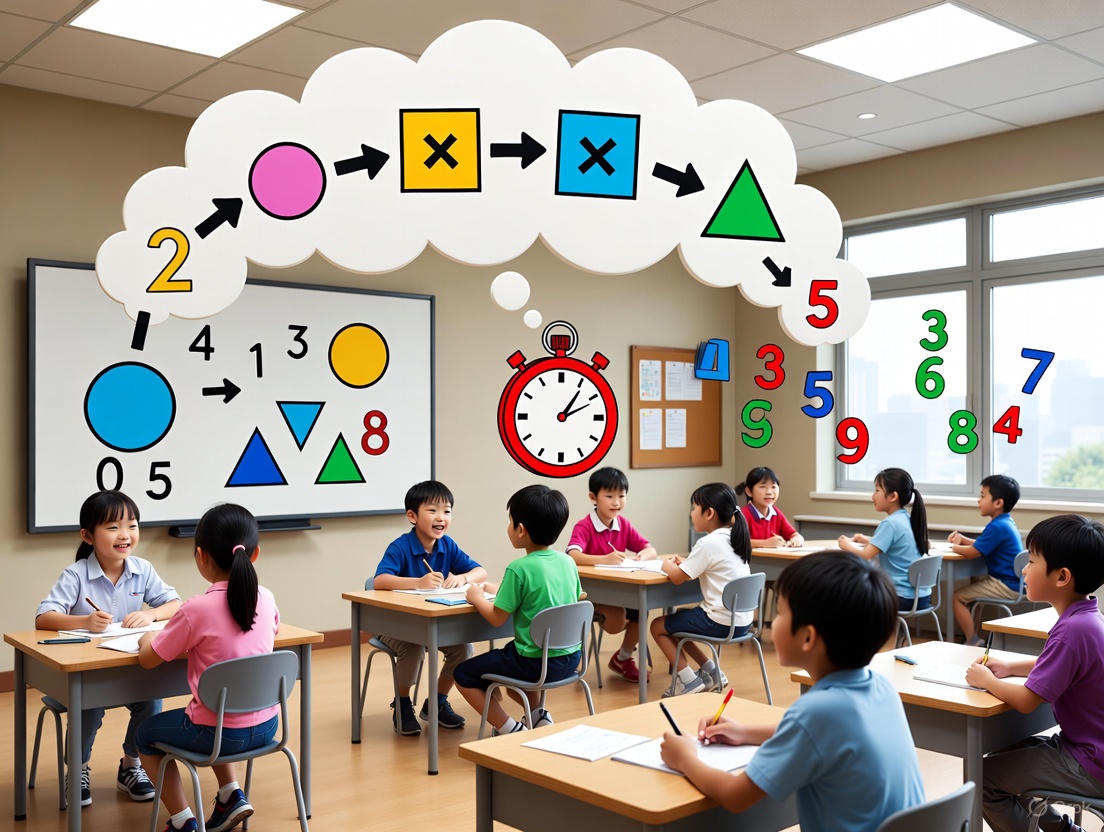
How to spot early signs of math anxiety in P6 students
Understanding Math Anxiety: A P6 Perspective
Spotting the Early Signs of Math Anxiety in Your P6 Child
As Singaporean parents, we all want the best for our kids, especially when they're facing the PSLE. But sometimes, the pressure cooker environment can lead to unexpected challenges, like math anxiety. What exactly is math anxiety, and how can you spot it early in your Primary 6 child? Let's dive in, lah!
Math anxiety isn't just disliking math. It's a feeling of tension, apprehension, or fear that interferes with math performance. For P6 students gearing up for the PSLE, this can manifest in several ways. We're talking about more than just the usual pre-exam jitters.
Here are some tell-tale signs to watch out for:
- Physical Symptoms: Does your child complain of stomach aches, headaches, or a racing heart before math lessons or tests? These physical reactions can be a sign of underlying anxiety.
- Avoidance: Does your child try to avoid doing math homework, ask for help excessively, or procrastinate on math-related tasks? This avoidance behavior is a red flag.
- Negative Self-Talk: Listen out for phrases like "I'm just not good at math," "I'll never understand this," or "Everyone else is smarter than me." These negative self-statements can erode confidence and fuel anxiety.
- Difficulty Concentrating: Does your child struggle to focus during math lessons or while doing homework? Anxiety can significantly impact concentration and memory.
- Perfectionism: While striving for good grades is admirable, excessive perfectionism can be a sign of anxiety. Does your child get overly upset about making mistakes or spend an unreasonable amount of time trying to get everything perfect?
- Changes in Mood: Keep an eye out for increased irritability, sadness, or withdrawal from activities your child usually enjoys. Math anxiety can impact overall well-being.
Fun Fact: Did you know that math anxiety can actually be contagious? Studies have shown that teachers with math anxiety can inadvertently pass it on to their students!
Addressing Math Anxiety in P6 Students
Okay, so you've spotted some of these signs in your child. What can you do? Don't worry, can one! There are many ways to help your child manage math anxiety and build confidence. This is where singapore primary 6 math tuition tips can come in handy, but it's also about creating a supportive environment at home.
- Open Communication: Talk to your child about their feelings. Let them know that it's okay to feel anxious and that you're there to support them. Ask them specifically what aspects of math they find challenging and why.
- Focus on Understanding, Not Just Memorization: Encourage your child to understand the underlying concepts rather than just memorizing formulas. This will help them feel more confident in their ability to solve problems.
In the challenging world of Singapore's education system, parents are ever more focused on preparing their children with the abilities essential to succeed in rigorous math syllabi, covering PSLE, O-Level, and A-Level exams. Recognizing early signals of challenge in topics like algebra, geometry, or calculus can create a world of difference in building strength and proficiency over advanced problem-solving. Exploring dependable math tuition singapore options can provide tailored assistance that corresponds with the national syllabus, ensuring students gain the edge they need for top exam performances. By emphasizing dynamic sessions and steady practice, families can help their kids not only satisfy but surpass academic goals, clearing the way for prospective opportunities in high-stakes fields.. - Break Down Problems: Large, complex math problems can feel overwhelming. Help your child break them down into smaller, more manageable steps.
- Celebrate Effort and Progress: Focus on effort and progress rather than just grades. Praise your child for their hard work and perseverance, even if they don't get the right answer every time.
- Create a Positive Math Environment: Make math fun and engaging! Play math games, use real-world examples to illustrate math concepts, and avoid putting pressure on your child to perform perfectly.
- Seek Professional Help: If your child's math anxiety is severe or interfering with their daily life, consider seeking professional help from a therapist or counselor.
Subtopic: The Role of Singapore Primary 6 Math Tuition
- Description: How targeted tuition can alleviate math anxiety by providing personalized support and addressing specific learning gaps.
Many parents in Singapore turn to singapore primary 6 math tuition tips to provide their children with extra support. A good tutor can:
* Identify and address specific learning gaps. * Provide personalized instruction tailored to your child's learning style. * Build confidence by providing positive reinforcement and encouragement. * Teach effective problem-solving strategies. * Create a less stressful learning environment than the classroom.
When choosing a tutor, look for someone who is patient, understanding, and experienced in working with students who have math anxiety. They should be able to create a supportive and encouraging learning environment. In this nation's rigorous education framework, parents perform a vital role in guiding their youngsters through significant evaluations that shape academic trajectories, from the Primary School Leaving Examination (PSLE) which tests fundamental skills in areas like mathematics and scientific studies, to the GCE O-Level assessments concentrating on intermediate proficiency in multiple disciplines. As pupils advance, the GCE A-Level examinations demand advanced analytical skills and discipline mastery, often influencing higher education admissions and career directions. To remain updated on all elements of these countrywide exams, parents should check out authorized information on Singapore exam provided by the Singapore Examinations and Assessment Board (SEAB). This guarantees access to the newest syllabi, test schedules, sign-up details, and standards that match with Ministry of Education standards. Regularly referring to SEAB can aid families prepare effectively, lessen uncertainties, and bolster their children in achieving top performance amid the challenging landscape.. Consider online tuition as well; the comfort of learning from home can reduce anxiety for some students.
Interesting Fact: The earliest known use of mathematical calculations dates back to around 20,000 BC! Imagine trying to do long division with just pebbles and sticks!
Subtopic: Practical Singapore Primary 6 Math Tuition Tips
- Description: Actionable tips for parents to use when seeking math tuition for their child.
Here are some singapore primary 6 math tuition tips to consider:
* **Start Early:** Don't wait until the last minute to seek tuition. Starting early allows your child to build a strong foundation and address any learning gaps before they become overwhelming. * **Communicate with the Tutor:** Keep the tutor informed about your child's progress, strengths, and weaknesses. This will help them tailor their instruction to your child's specific needs. * **Encourage Active Participation:** Encourage your child to actively participate in tuition sessions by asking questions and working through problems independently. * **Review Regularly:** Encourage your child to review the material covered in tuition sessions regularly to reinforce their understanding. * **Balance Tuition with Other Activities:** Make sure your child has time for other activities they enjoy. Overloading them with academic work can increase stress and anxiety.
History: Did you know that Singapore's education system has consistently ranked among the top in the world in mathematics? This is a testament to the dedication of our teachers and the hard work of our students.
By understanding the signs of math anxiety and taking proactive steps to address it, you can help your child build confidence, improve their math performance, and approach the PSLE with a positive attitude. Remember, it's not just about the grades; it's about fostering a love of learning and helping your child reach their full potential. Jiayou!
Avoidance Tactics
Anxious students might try to avoid math-related situations altogether. This could include procrastinating on homework, skipping math classes, or making excuses to get out of math-related activities. Recognizing these avoidance strategies is crucial in identifying and addressing the root cause of the anxiety.
Physical Symptoms
Math anxiety can manifest physically. Observe if your child complains of headaches, stomach aches, or fatigue, particularly before or after math lessons or tests. These physical symptoms should not be dismissed, as they can be genuine expressions of anxiety experienced by the student.
Negative Self-Talk
Pay attention to the language your child uses when discussing math. Frequent expressions of self-doubt, such as "I'm bad at math" or "I'll never understand this," are red flags. Negative self-talk can reinforce math anxiety and hinder a student's confidence and performance.
Changes in behavior
Look out for noticeable shifts in a child's demeanor, such as increased irritability or withdrawal from activities they typically enjoy. These behavioral changes can be subtle indicators of underlying stress related to math. It's important to note if these shifts coincide with math-related tasks or discussions.
Understanding Math Anxiety: A P6 Perspective
Spotting the Early Signs of Math Anxiety in Your P6 Child
As Singaporean parents, we all want the best for our kids, especially when they're facing the PSLE. But sometimes, the pressure cooker environment can lead to unexpected challenges, like math anxiety. What exactly is math anxiety, and how can you spot it early in your Primary 6 child? Let's dive in, lah!
Math anxiety isn't just disliking math. It's a feeling of tension, apprehension, or fear that interferes with math performance. For P6 students gearing up for the PSLE, this can manifest in several ways. We're talking about more than just the usual pre-exam jitters.
Here are some tell-tale signs to watch out for:
- Physical Symptoms: Does your child complain of stomach aches, headaches, or a racing heart before math lessons or tests? These physical reactions can be a sign of underlying anxiety.
- Avoidance: Does your child try to avoid doing math homework, ask for help excessively, or procrastinate on math-related tasks? This avoidance behavior is a red flag.
- Negative Self-Talk: Listen out for phrases like "I'm just not good at math," "I'll never understand this," or "Everyone else is smarter than me." These negative self-statements can erode confidence and fuel anxiety.
- Difficulty Concentrating: Does your child struggle to focus during math lessons or while doing homework? Anxiety can significantly impact concentration and memory.
- Perfectionism: While striving for good grades is admirable, excessive perfectionism can be a sign of anxiety. Does your child get overly upset about making mistakes or spend an unreasonable amount of time trying to get everything perfect?
- Changes in Mood: Keep an eye out for increased irritability, sadness, or withdrawal from activities your child usually enjoys. Math anxiety can impact overall well-being.
Fun Fact: Did you know that math anxiety can actually be contagious? Studies have shown that teachers with math anxiety can inadvertently pass it on to their students!
Addressing Math Anxiety in P6 Students
Okay, so you've spotted some of these signs in your child. What can you do? Don't worry, can one! There are many ways to help your child manage math anxiety and build confidence. This is where singapore primary 6 math tuition tips can come in handy, but it's also about creating a supportive environment at home.
- Open Communication: Talk to your child about their feelings. Let them know that it's okay to feel anxious and that you're there to support them. Ask them specifically what aspects of math they find challenging and why.
- Focus on Understanding, Not Just Memorization: Encourage your child to understand the underlying concepts rather than just memorizing formulas. This will help them feel more confident in their ability to solve problems. In the challenging world of Singapore's education system, parents are ever more focused on preparing their children with the abilities essential to succeed in rigorous math syllabi, covering PSLE, O-Level, and A-Level exams. Recognizing early signals of challenge in topics like algebra, geometry, or calculus can create a world of difference in building strength and proficiency over advanced problem-solving. Exploring dependable math tuition singapore options can provide tailored assistance that corresponds with the national syllabus, ensuring students gain the edge they need for top exam performances. By emphasizing dynamic sessions and steady practice, families can help their kids not only satisfy but surpass academic goals, clearing the way for prospective opportunities in high-stakes fields..
- Break Down Problems: Large, complex math problems can feel overwhelming. Help your child break them down into smaller, more manageable steps.
- Celebrate Effort and Progress: Focus on effort and progress rather than just grades. Praise your child for their hard work and perseverance, even if they don't get the right answer every time.
- Create a Positive Math Environment: Make math fun and engaging! Play math games, use real-world examples to illustrate math concepts, and avoid putting pressure on your child to perform perfectly.
- Seek Professional Help: If your child's math anxiety is severe or interfering with their daily life, consider seeking professional help from a therapist or counselor.
Subtopic: The Role of Singapore Primary 6 Math Tuition
- Description: How targeted tuition can alleviate math anxiety by providing personalized support and addressing specific learning gaps.
Many parents in Singapore turn to singapore primary 6 math tuition tips to provide their children with extra support. A good tutor can:
* Identify and address specific learning gaps. * Provide personalized instruction tailored to your child's learning style. * Build confidence by providing positive reinforcement and encouragement. * Teach effective problem-solving strategies. * Create a less stressful learning environment than the classroom.
When choosing a tutor, look for someone who is patient, understanding, and experienced in working with students who have math anxiety. They should be able to create a supportive and encouraging learning environment. In this nation's rigorous education framework, parents perform a vital role in guiding their youngsters through significant evaluations that shape academic trajectories, from the Primary School Leaving Examination (PSLE) which tests fundamental skills in areas like mathematics and scientific studies, to the GCE O-Level assessments concentrating on intermediate proficiency in multiple disciplines. As pupils advance, the GCE A-Level examinations demand advanced analytical skills and discipline mastery, often influencing higher education admissions and career directions. To remain updated on all elements of these countrywide exams, parents should check out authorized information on Singapore exam provided by the Singapore Examinations and Assessment Board (SEAB). This guarantees access to the newest syllabi, test schedules, sign-up details, and standards that match with Ministry of Education standards. Regularly referring to SEAB can aid families prepare effectively, lessen uncertainties, and bolster their children in achieving top performance amid the challenging landscape.. Consider online tuition as well; the comfort of learning from home can reduce anxiety for some students.
Interesting Fact: The earliest known use of mathematical calculations dates back to around 20,000 BC! Imagine trying to do long division with just pebbles and sticks!
Subtopic: Practical Singapore Primary 6 Math Tuition Tips
- Description: Actionable tips for parents to use when seeking math tuition for their child.
Here are some singapore primary 6 math tuition tips to consider:
* **Start Early:** Don't wait until the last minute to seek tuition. Starting early allows your child to build a strong foundation and address any learning gaps before they become overwhelming. * **Communicate with the Tutor:** Keep the tutor informed about your child's progress, strengths, and weaknesses. This will help them tailor their instruction to your child's specific needs. * **Encourage Active Participation:** Encourage your child to actively participate in tuition sessions by asking questions and working through problems independently. * **Review Regularly:** Encourage your child to review the material covered in tuition sessions regularly to reinforce their understanding. * **Balance Tuition with Other Activities:** Make sure your child has time for other activities they enjoy. Overloading them with academic work can increase stress and anxiety.
History: Did you know that Singapore's education system has consistently ranked among the top in the world in mathematics? This is a testament to the dedication of our teachers and the hard work of our students.
By understanding the signs of math anxiety and taking proactive steps to address it, you can help your child build confidence, improve their math performance, and approach the PSLE with a positive attitude. Remember, it's not just about the grades; it's about fostering a love of learning and helping your child reach their full potential. Jiayou!
Avoidance Tactics
Physical Symptoms
Negative Self-Talk
Changes in behavior