The
wild
ones
Feasting your eyes on some of the
Philippines’ greatest natural treasures
means getting well off the beaten track but
the dividends are well worth the effort
BY
RONALD ACHACOSO
PHOTOS BY
IVAN SARENAS
T
he Philippine
archipelago has some
of the world’s most
biologically diverse
ecosystems. Beyond its
celebrated marine life, the nation is
home to a wealth of botanic jewels,
though only a select few nature lovers
ever see them in the wild. In fact, the
Philippines is one of the planet’s least
explored regions when it comes to the
cataloging of native flora. And even
as new species are discovered on a
regular basis, development continues
to reduce the size of our wild frontier.
It’s not a situation that should be
taken lightly. Given that there are so
many one-of-a-kind plants here, that
there’s far too little documentation
and that the pace of environmental
degradation shows no signs of
slowing, the Philippines has been
labeled by conservationists as “The
Hottest of the Hotspots”. To lose this
rich assemblage of life forms and the
secrets they hold would be calamitous.
To do so before we even get to know
themwould be nothing short of tragic.
Here are 10 of the most precious
natural gems in our forests:
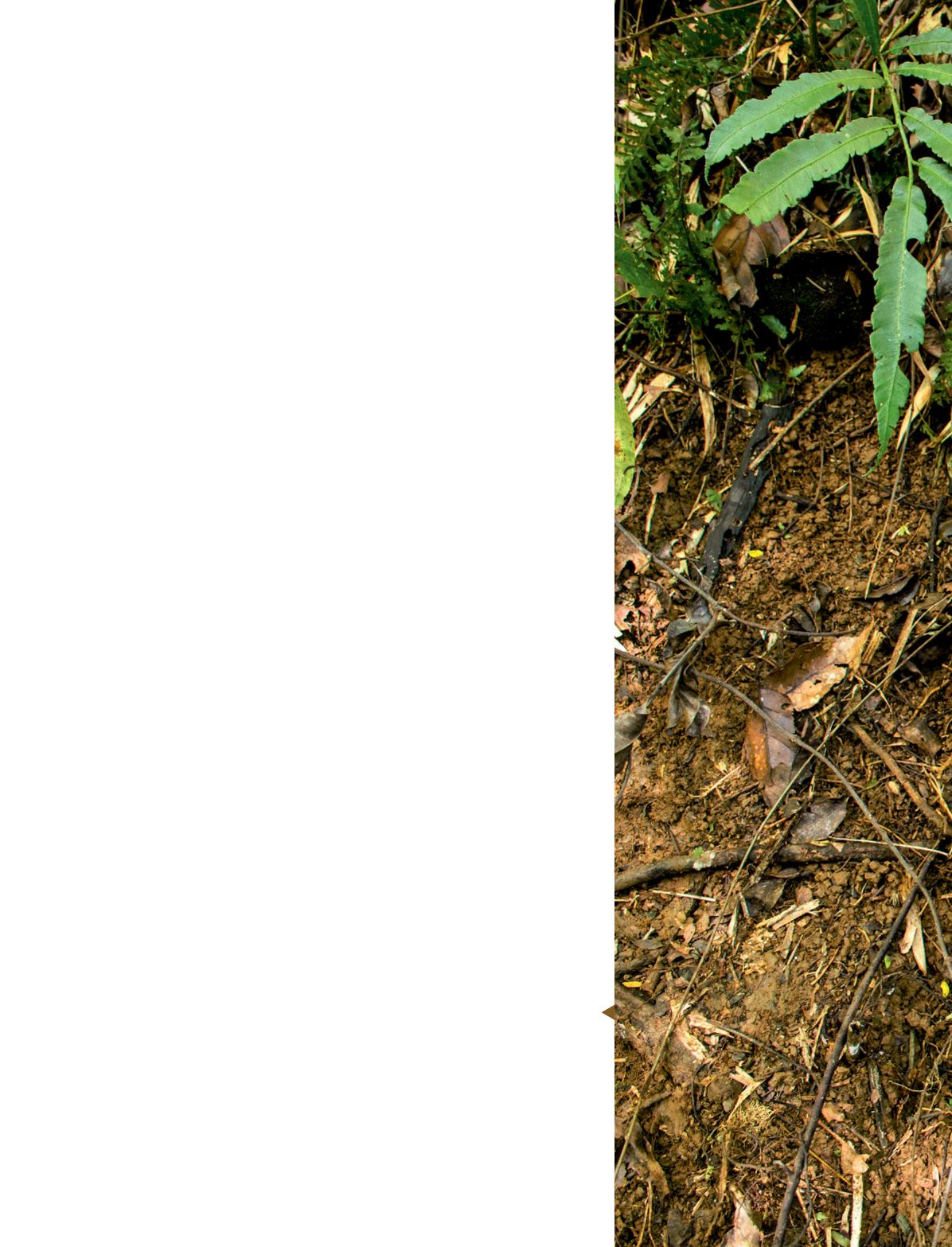
RAFFLESIA SCHADENBERGIANA
Rafflesia schadenbergiana
The Rafflesia schadenbergiana is the second-largest single flower
in the world and perhaps the most critically endangered. It was
discovered more than 130 years ago and was thought extinct until its
rediscovery in the mid 1990s. The reemergence of this “lost” species
spawned the rebirth of Rafflesia exploration in this country and in less
than a decade, eight more species of this rare, enigmatic plant have
been added to a growing list, the most in any Southeast Asian nation.


