Home | Delhi | Agra | Bharatpur | Kanha | Ranthambore | Jaipur | Palace on Wheels | Tigers | Birds | Other Fauna/Flora | People/Parties | Smiths
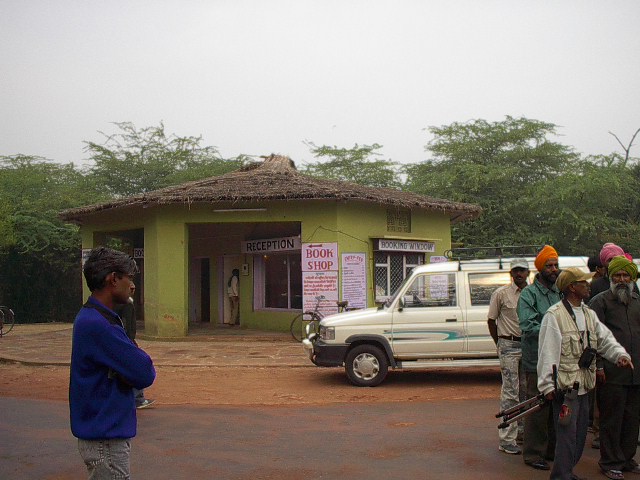 Entrance to Bharatpur Bird Sanctuary, Uttar Pradesh, once a private hunting reserve. |
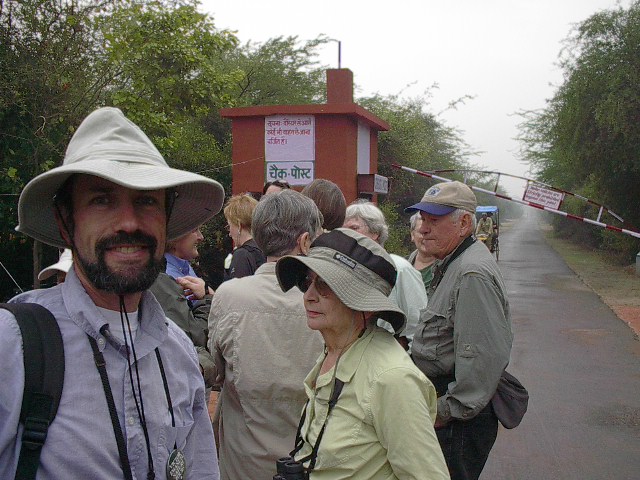 Robert in the rickshaw queue outside the gate. |
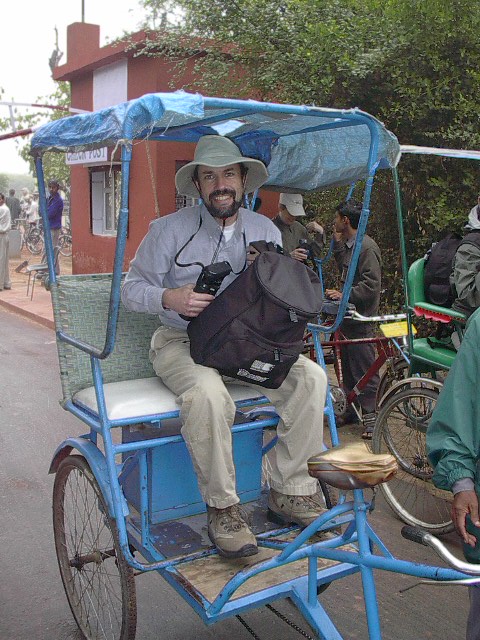 Robert in a rickshaw! |
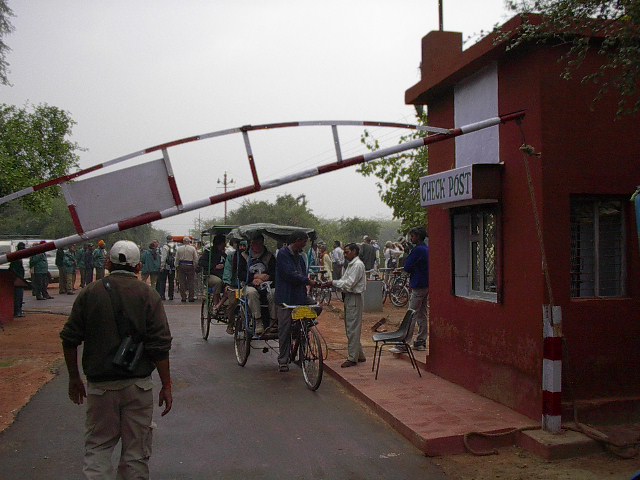 Looking back through the gate. |
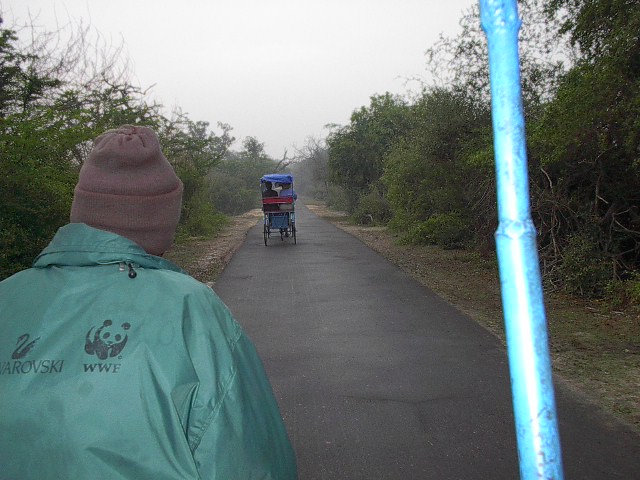 The "rickshaw path" was well-paved and relatively flat, but even so with a fixed gear, our driver had his work cut out for him. |
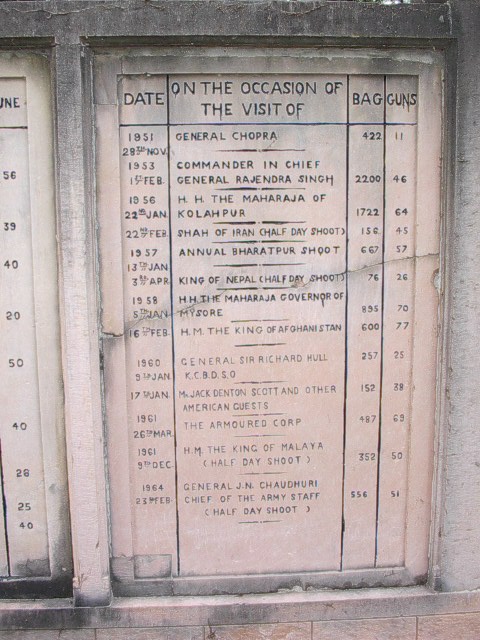 Portion of the hunt-tally monument...see any notable names? |
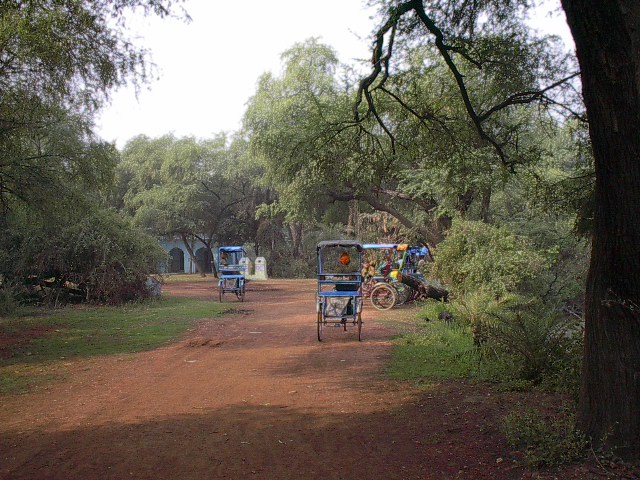 Rickshaw drivers taking a well-deserved rest. |
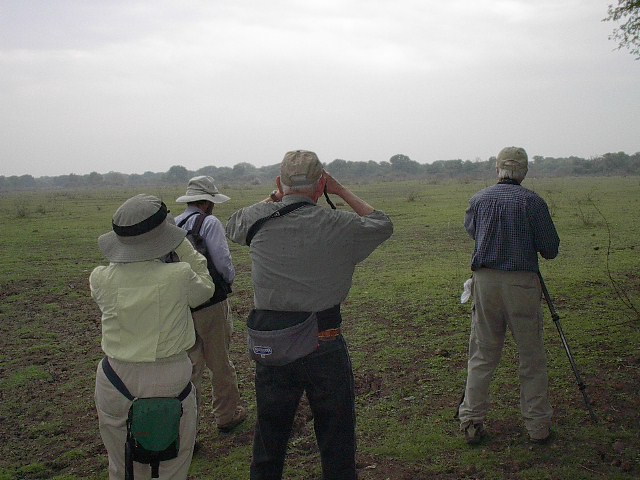 In search of the Indian Courser. |
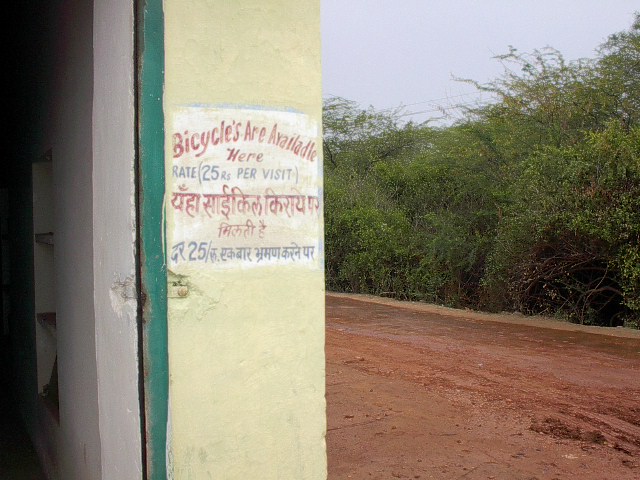 You could rent your own bicycle here, for about 60 cents for the visit. |
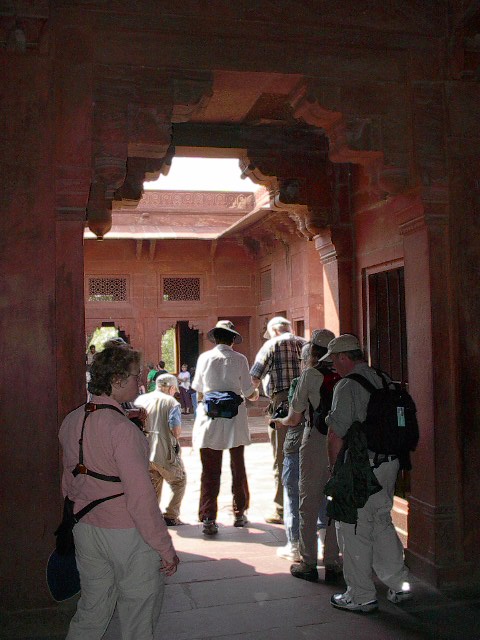
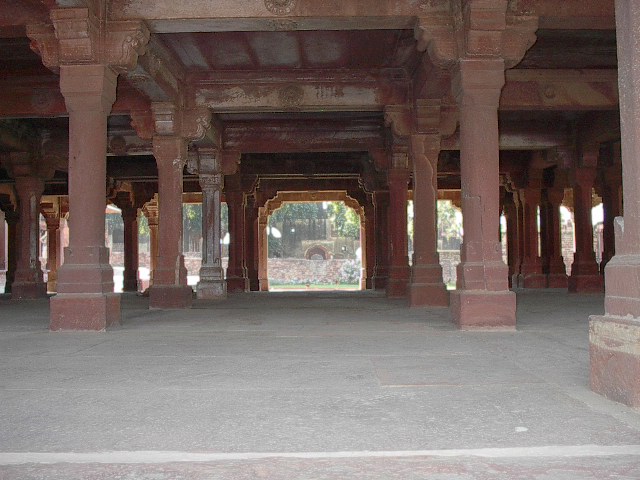
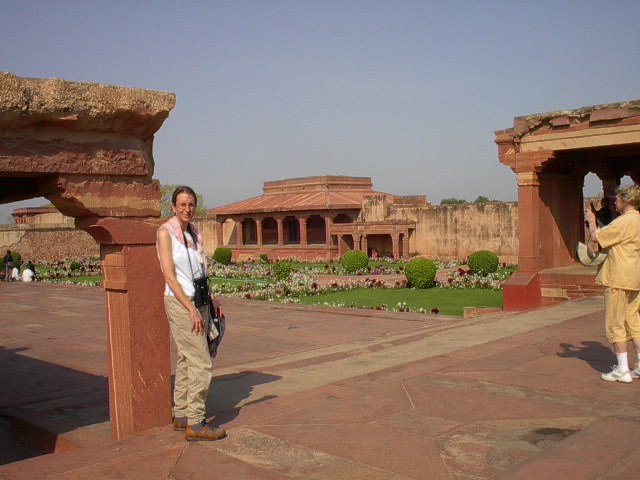
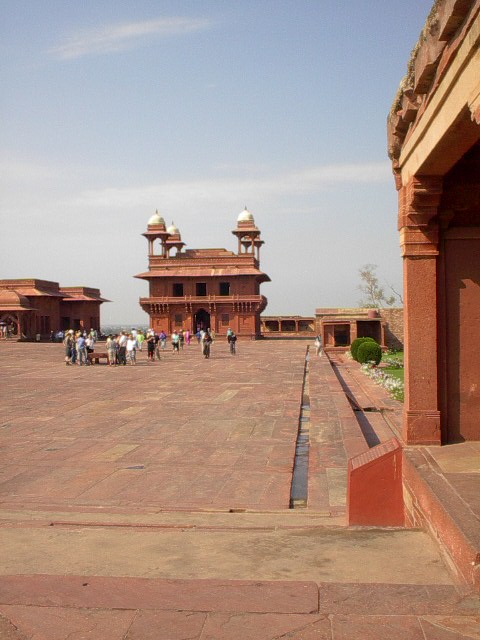
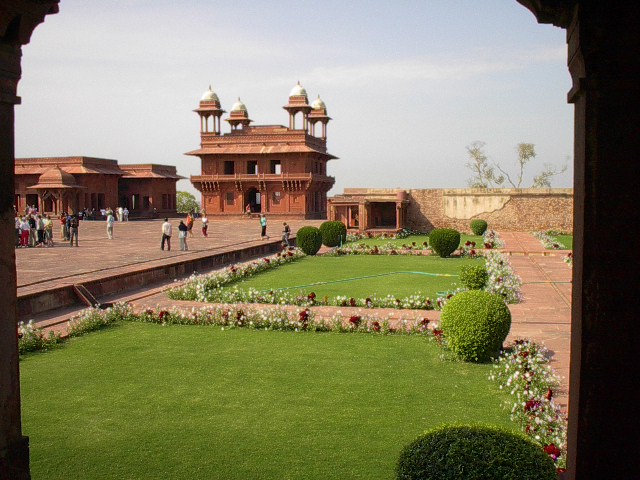
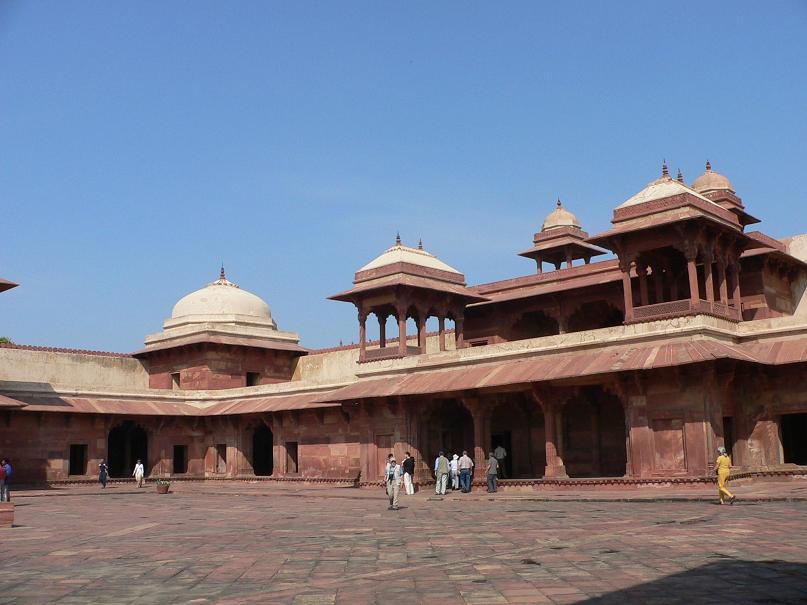
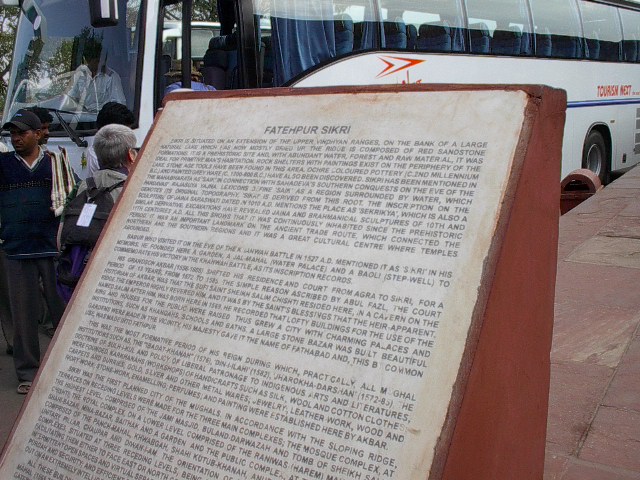 At Fatehpur Sikri. Built during the second half of the 16th century by the Emperor Akbar, Fatehpur Sikri (the City of Victory) was the capital of the Mughal Empire for only some 10 years. The complex of monuments and temples, all in a uniform architectural style, includes one of the largest mosques in India, the Jama Masjid. |
 |
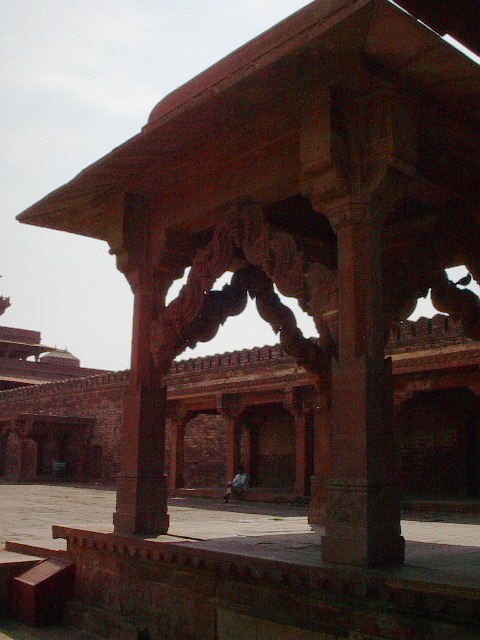 |
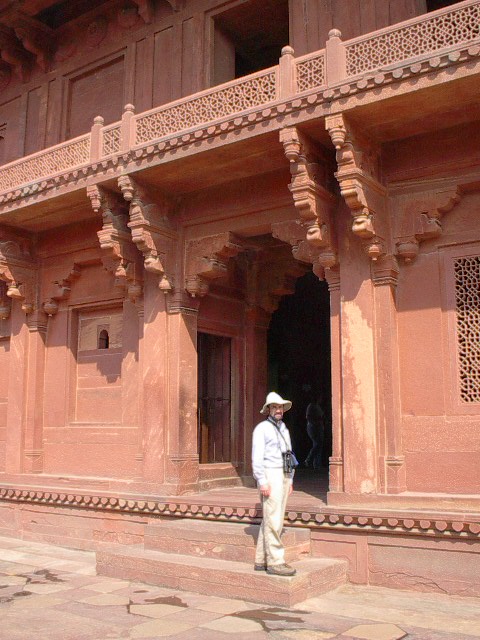 Beautiful red sandstone... |
 |
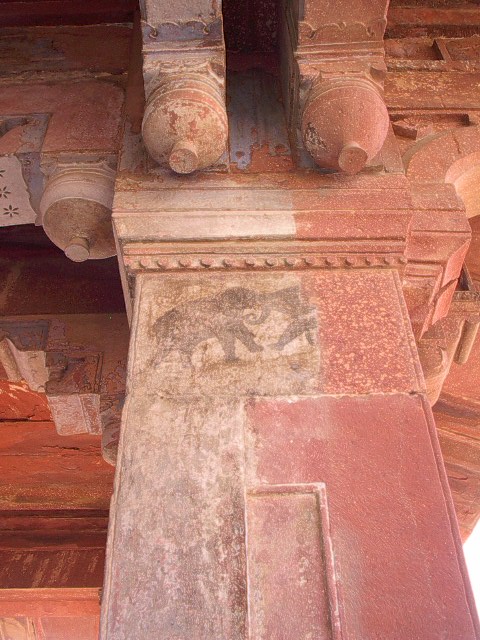 Remnants of elephants painted onto a column. |
 |
 |
 |
 |
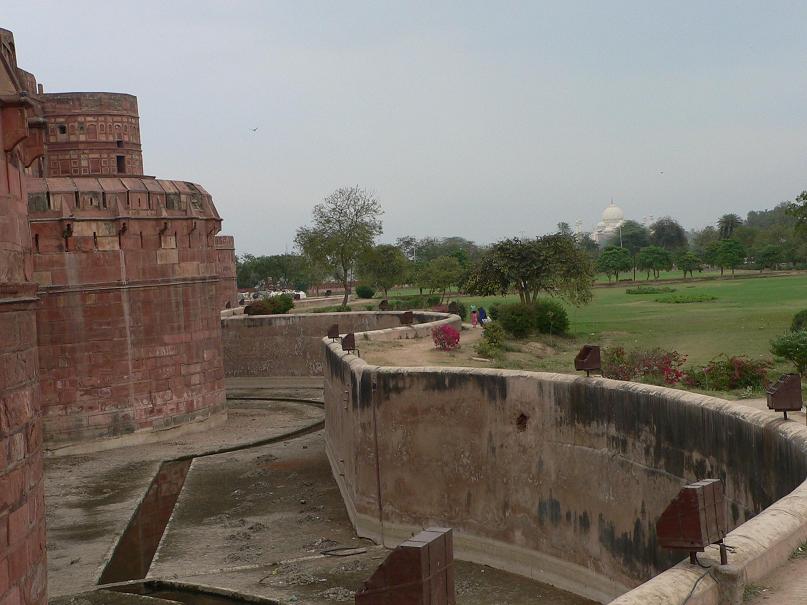
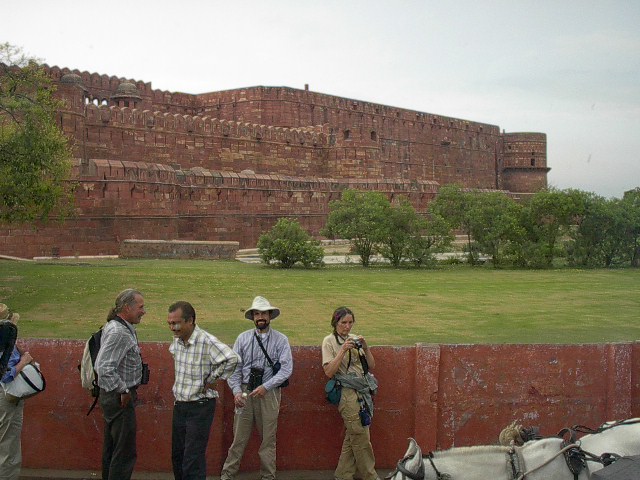 Robert et al. outside the Red Fort, Agra. The Red Fort (Lal Qila) at Agra - sometimes called Agra Fort, to avoid confusion with the Red Fort at Delhi - was begun by Akbar between 1565 and 1573. It is situated on the west bank of the Jumna River, about 2km upstream from the Taj Mahal. |
 |
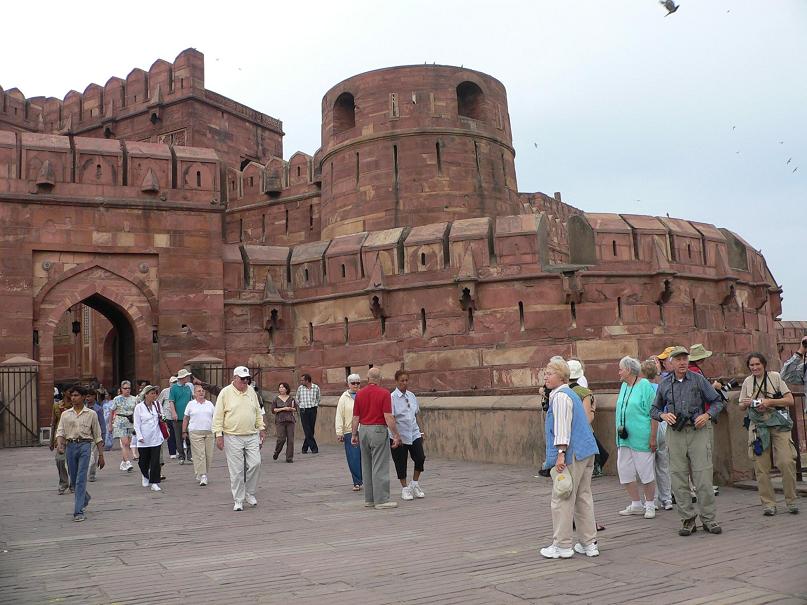 The original entrance to the fort was through the grander Delhi Gate in the west wall. |
||
Home | Delhi | Agra | Bharatpur | Kanha | Ranthambore | Jaipur | Palace on Wheels | Tigers | Birds | Other Fauna/Flora | People/Parties | Smiths