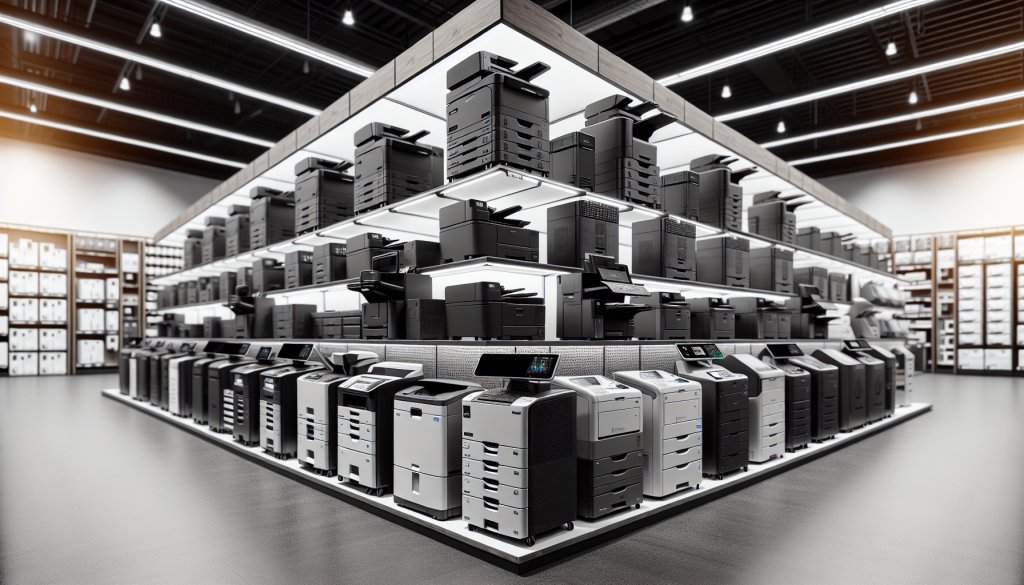
In today's fast-paced business world, office efficiency often hinges on the quality and functionality of the equipment you use. Copiers and multifunction printers are essential tools for any business, from small startups to large corporations. Leasing office equipment, such as a copier and multifunction printer lease and sales, is a practical option for organizations looking to save upfront costs, maintain up-to-date technology, and streamline operations.
However, leasing office equipment isn't always straightforward. Without proper research and planning, businesses can fall into costly pitfalls that undermine the benefits of leasing. In this guide, we'll discuss the common mistakes to avoid when leasing office equipment, provide actionable solutions, and help you make the most of your investment.
Before diving into the pitfalls, it's important to understand why leasing-whether through a copier rental service or other leasing solutions-is an attractive option for businesses. Leasing allows companies to access the latest technology without the hefty upfront costs. Additionally, it offers flexibility, predictable monthly expenses, and often includes maintenance services, saving time and money.
But as appealing as leasing may sound, there are crucial factors to consider to ensure that you avoid unnecessary expenses and complications. Let's dive into the common pitfalls and how to navigate them effectively.
One of the biggest mistakes businesses make is not thoroughly reviewing the lease terms. Leasing agreements can be lengthy and filled with technical jargon, which many business owners skim over. This oversight can lead to surprises like hidden fees, restrictive clauses, and penalties for early termination.
Not all copiers or multifunction printers are created equal. Choosing equipment without assessing your organization's specific requirements can result in overpaying for features you don't use or underperforming devices that don't meet your needs.
While leasing eliminates the need for a large upfront investment, businesses often overlook the cumulative costs of leasing over time. Monthly payments can add up, especially if the lease extends beyond the useful life of the equipment.
Many leasing contracts include maintenance and service agreements, but not all agreements are created equal. Some may cover only basic repairs, while others include comprehensive support. Choosing an inadequate service plan can lead to unexpected repair costs and downtime.
As your business grows, so will your need for office equipment. Leasing equipment that doesn't align with your scalability needs can hinder your expansion efforts.
Leasing from a vendor with a poor reputation can lead to delays, inadequate support, and subpar equipment.
Business A rushed into a copier lease without assessing their needs. They ended up with an expensive, high-capacity printer they barely used. The lease included a limited service agreement, leading to costly repairs and frequent downtime.
Business B, on the other hand, conducted a thorough needs assessment and partnered with a reputable vendor. They secured a scalable lease with comprehensive maintenance services, enabling smooth operations and minimal disruptions.
The takeaway? A strategic approach to leasing can save you money, time, and headaches.
Leasing is ideal if you want to save on upfront costs, access the latest technology, and enjoy flexible terms. However, buying may be more cost-effective for businesses with stable needs and long-term equipment use.
Look for a provider with a strong reputation, flexible lease options, and comprehensive maintenance agreements.
Many leasing agreements allow upgrades. Be sure to discuss this option with your provider before signing the lease.
Leasing office equipment can be a game-changer for businesses seeking cost savings, flexibility, and efficiency. However, avoiding the common pitfalls outlined above is crucial to maximizing the benefits of leasing. By carefully reviewing lease terms, assessing your needs, and partnering with a reputable copier rental service, you can ensure a seamless leasing experience.
If you're ready to explore reliable copier and multifunction printer lease and sales, contact a trusted provider today. Don't forget to share this article with colleagues or leave a comment below to share your leasing experiences or ask questions!
Call to Action: Ready to lease office equipment that fits your business needs? Contact us today for a free consultation!
By following these tips and insights, you can navigate the leasing process confidently and ensure your business runs smoothly with the right office equipment in place.