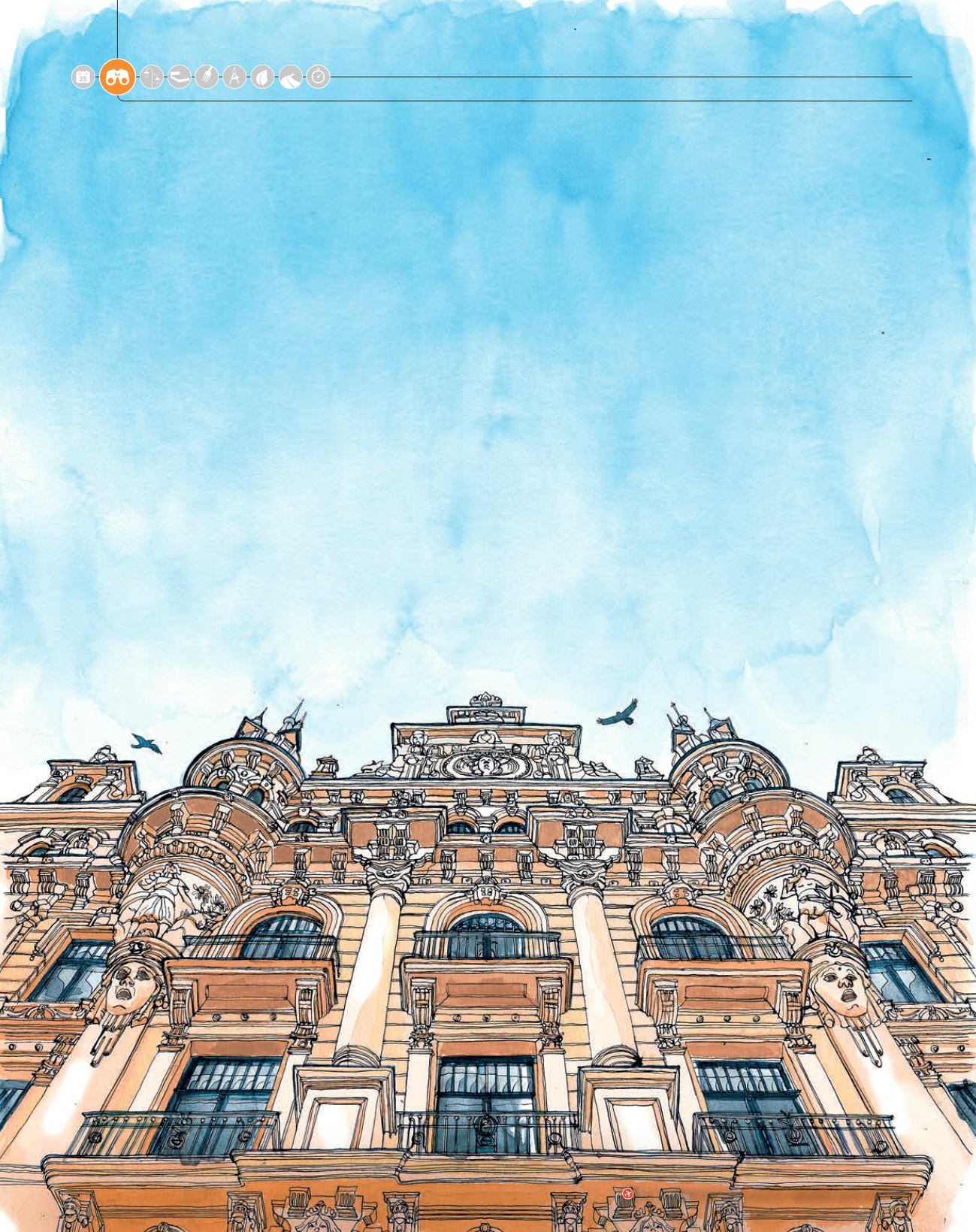
observation deck: a local view
I
first visitedRigaasan 18-year-oldstudent inDecember of
1991.After yearsof learning theLatvian language frommy
grandparents in theUS, it seemedanecessity tomakea
pilgrimageof sorts to themysterious landofmyancestors.The Iron
Curtainhadofficiallybeenpulledbackand theso-calledEvil Empirehad
beenvanquished, but Latviaand itscapital cityhadyet toemerge from
theirSoviet hibernationandmuchof the landscapeappearedasgrey
and lifelessasmostWesternersexpected from theUSSR.
Indeed, thecommunistshadbeenbusybuildinguglyconcreteblocks
since theyoccupied the
countryat theendof the
SecondWorldWar andeven
themedieval old townstill bore
thescarsof Latvia’s fight for
independence, notably
graffitiedbarricadesmeant
toprotect theparliament from
aSovietmilitaryattack.Much
wouldchange for thebetter
over thenext twodecades.But even thenRiga’soutstandingart
nouveauarchitecturewasevident, even if it hadbeenneglectedor
hiddenunder layersof peelingplaster, dust andsoot.
Indeed, roughly40per cent of thecitycentre’sbuildingsbelong to
this flamboyant styleburstingwithenergyand life.Althoughoften
confusedwithartdeco, the rounded,natural shapesof itsdecorative
floraand faunacouldn’tbe farther removed from the later steelyangles
of EmpireStateBuildingarchitecture thatmade theNewYorkskyline
what it is today.The reasons for theirproliferation,however, are thesame.
ThecityofRigahappened tobeat theheight of itsprosperityat the
closeof the 19thcenturywhenart nouveauwasall the rage inEurope.
When Imoved toRigasevenyears later, thecitywas fast becoming
avibrantBalticmetropolisand thoseonce forlorn façadeshadbeen
givenanew leaseof life.Buxomnymphs frolickedbetweencolumns,
trees that bolstereddecorativewindowshad regained their foliage, and
freakish 100-year-oldgargoyles leeredat passers-by from their perches
above thecity’s leafyboulevardsoncemore.
Today,manyLatvians take theseageingedifices for granted,
perhapsnot realisinghow lucky theyare towalkdownstreets that
areessentially
art gallerieson
anunprecedented
scale.Thestoried
AlbertStreet is
almost completely
comprisedof art
nouveaubuildings,
manyofwhich
weredesigned
byMikhail Eisenstein, father of the legendaryRussian filmmaker
Sergei Eisensteinof
BattleshipPotemkin
fame.
Most of thesehistoricedificeshavebeen restored, includingnumber
12,whichnowhouses theRigaArtNouveauMuseum, a recreated
apartment inwhicheven the toilet isart nouveau instyle.
Needless tosay, I hardlyever pine formyoldcommute toworkpast
thestripmallsandadvertisingbillboardsof theNewJerseyofmyyouth,
but I canstill besurprised to thepoint of joyhavingspottedanever-
before-noticedart nouveaucreaturestaringatmewhilewalking tomy
office inRiga’sold town.
Nextmonth: Banjul
Nouveauriches
The communists did their best to crowd it out with
concrete, but Riga’s fin de siècle architecture survived
to see another day.
Martins Zaprauskis
is thankful
FLYTO
riga
sixtimesweekly.
brusselsairlines.com
ILLUSTRATION: EMMAKELLY/HANDSOMEFRANK


