We Offer Both Residential and Commercial Roofing in Tucson and Throughout Southern Arizona
Residential Roofing in Tucson

Click here to learn more about our residential roofing options
Commercial Roofing in Tucson
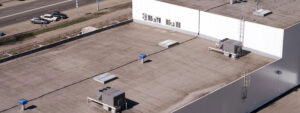
Click here to learn more about our commercial roofing options
The Most Dedicated Roofers in Southern AZ!
While you may not yet recognize the name DC Roofing, Tucson is quickly getting to know our name as among the best in the Tucson roofer, roof installation and roof repair business. In fact, there’s a good chance that our crew has worked on a roof of either a home or business that you know, because we’ve been at this here in southern Arizona for a while now, working for different local companies – until recently.
That’s when David Contreras, the owner (and “DC” in DC Roofing), made the leap to take things into his own hands, bringing the best crew along with him. Together, they now offer roofing services for both residential and commercial customers, knowing that they are in full control of the service delivered to you, the customer.
No more being handcuffed by bosses or corporate deadlines or mandates. As a family owned business, DC Roofing of Arizona is committed to doing the work on your roof the way it should be done. The way you want and expect it to be done. And with a growing list of happy customers, it’s only a matter of time before DC Roofing of Arizona is recognized as the go-to roofing contractor in Tucson for everything from roof construction to roof tear-off and replacement to roof coatings and repairs.
Whatever your Tucson roof needs, DC Roofing offers the best in materials, service, professionalism and pricing.
Roofing Tucson – Getting it Right
Because the roof is the top covering of any building and responsible for keeping the elements of weather outside the building, and a consistent, comfortable environment inside, it is probably the most important (and vulnerable), part of what is known as the ‘building envelope’. There are a number different components that go into the construction of your roof. Today we’ll look at the components of a complete roofing system. A roofing system is a highly advanced system of components that work together, and do much more than just keep the water out.
A properly designed roofing system keeps your attic cool and dry, and it makes your home a more comfortable place to be.
So what are the components of a well-designed roofing system? It starts with a high-performance leak barrier to protect the most vulnerable areas of your roof, like at the eaves, in valleys, around chimneys and plumbing vents. These areas are notorious for leaks.
Today’s leak barriers are made from a rubberized compound that creates a waterproof protective barrier.
Next you have the roof deck protection. This helps prevent wind-driven rain that could get under your shingles from getting inside your home. Traditionally roof felt has been used for roof deck protection, but today there are high performance products that will provide long term protection, long after inexpensive felts can become brittle and disintegrate.
After that is the metal drip edge. This is a component that helps keep water away from the roofs edges, and provides a clean finished look to your new roof.
Next is the installation of specially designed starter strips at the eaves of your roof. Starter strips have a factory applied adhesive that will tightly lock the first row of your shingles in place, and help prevent blow offs.
Now it’s time to install the shingles. At the top of your roof, your contractor may recommend installing a ridge vent, which along with corresponding soffit vents in your eaves or intake vents, allows hot, moist, damaging air to escape from your attic.
The final component is a ridge cap shingle to give a nice finished look to your roof, and match the performance of your roof shingles.
You’ll want to make sure that your contractor installs all of the components of a complete roofing system, and doesn’t skip any to cut costs because that can mean trouble for you down the road.
When it’s all done you’ll have a beautiful new roof that not only looks great, but also keeps the weather out, increases the comfort of your home and will last for many years.
Roofing – Options and Decisions When Hiring Roofers
Not sure whether you need a new roof or not? Maybe a proper repair done with the right materials will get you a bit more life out of your existing roof. Let DC Roofing come out and do a free evaluation of your home or commercial roof. We’ll do a thorough inspection, explaining everything we discover and offering you a fair price on taking care of whatever you need.
Because your roof is such a critical part of your home or business, you want to make sure you get it done right. And because the costs involved are often not insignificant, we always suggest you get multiple quotes to make sure you get a fair deal.
We are confident that the prices we charge are very fair for the quality materials and workmanship we provide. We won’t be the cheapest in Tucson, you can probably find some unlicensed, inexperienced handyman with no insurance to give you a lower price. But again, your roof is critical. Consider your options and the risks/rewards of cutting corners. We will never cut corners. We do deliver solid value.
Where DC Roofing Can (and Can’t) Help You
Whether the roof you need help with is on an industrial, commercial building or on a residential property, we are here to help you determine what needs to be done and help you get it done. We specialize in working on all kinds of roofs found here in southern Arizona including tile roofs, roofs with shingles as well as flat roofs and roof coatings. There are a few roof types that we do not work on at the present time, in which case we’re happy to provide you with recommendations so you can come up with a plan for your special roof.
Metal roofs, which are becoming more popular in the area, deserve special attention that we feel is better addressed by a company that specializes in it, with all the proper equipment. The same goes for solar panel roofs. There are other materials that aren’t seen much in Arizona that we would also decline, such as slate or palm thatch roofs.
With that said, let’s look at the variety of roofing materials and why you may or may not want to use them if you’re looking for a new roof. The chart below summarizes the pros and cons of different popular materials that you might consider. Click on the tab for a full elaboration on each, as well as the video overview.
-
roofing Materials
-
Full comparison
Asphalt Shingles, Rubber, Metal, Clay And Cedar
If you’re in the market for a new roof and trying to figure out the right roofing material for your house, you came to the right place. Here we’ll look at five major roofing options you have in today’s market. We’ll compare them against each other in six different categories. How they compare one another, how they perform in different conditions, how they compare in cost, and so on. I hope it will help you to make an educated decision.
Scoring: A lower number is better. In this example, asphalt is the cheapest (gets a 1), and clay is the most expensive (gets a 5). For more details, see the next tab.
Full Comparison of the Options
Jump to Section:
- Roof Repair Costs
- Wind Warranty for Your Roof
- Maintenance to Avoid Roof Repair
- Life Expectancy of Roofs
- Durability of Roof Repair Materials
- Repair-ability – how easy it is to do a Roof Repair?
- Roofing Materials Explained – Video
We’re going to review five different roofing materials in six different categories. We’re going to look at the cost, we’re going to go look at the wind warranty, what does it take to maintain those different types of roofing materials, we’re going to look at the life expectancy, durability – mainly hail warranty – repair-ability (how easy it is to repair that roofing type), and compare them overall. Again, there is no loser or winner here, but a lot of people are confused. You have to understand in what area do you live, what kind of house you have, etc.
This information comes from Dmitry Lipinskiy, the host of Roofing Insights YouTube channel & CEO of Storm Group Roofing and Founder of Roofing Business School. A disclaimer from him about his information is, “I do have a roofing business but I’m not associated with any of these brands or any materials I’ll be talking about. I’m not biased. I’m a licensed contractor in several places including in Florida and Minneapolis. This video is not sponsored by any of the manufacturers. So we’re going to be looking at clay, rubber, asphalt, metal, and cedar. Many companies will install them. I’m just trying to help you to understand materials a little bit better, so you can make an educated decision on what’s good for you.”
To see the full video of his presentation, scroll to the bottom of this page, or click here.
When It Comes to Roofing, Tucson Can Count on DC Roofing for Honest and Fair Answers and Quotes
If you’d like to have us, DC Roofing, answer any of your roofing questions, make sure to contact us today! We server the greater Tucson area as well as other communities around southern Arizona.
There are a few things that I’m not going to talk about… I’m not going to talk about fire rating. Why? Because this video and this comparison is for the masses, and for the majority of people, if it’s important for you, you will go with the fire rated options. But for many people, it doesn’t really matter. Our house is not fire retardant; it makes no sense for the average homeowner to go with a fireproof roof where your siding and everything else will catch fire.
I also am not going to talk about slate or copper roofs. For me it’s exotic options, it’s a specialty roofing. If you’re in the market for a slate roof already, it’s going to perform very close to something like clay. But the niche is very small, it’s really hard to find tradesman who will do it right, manufacture and so on.
Also, I’m not going to look at a at the “look”, because it’s kind of subjective also. Both metal, asphalt and rubber there are a lot of options and they look identical. Most of them try to mimic cedar roofs, like Da Vinci which looks just like cedar. Metal can look like cedar too, so it’s very subjective, it’s really hard to judge, so I’m not going to talk about it.
The rule of comparison is this: the number one I consider to be the best. So for example if number one in cost goes to asphalt, it is because it’s the cheapest option. Number five is the worst. Now does it mean that is the worst because it’s the most expensive? No, but for most people, yes.
Cost
So on the cost, obviously, like I mentioned before, asphalt shingle is the most popular shingle option for roofing materials in the united states, just because how affordable it is. Especially in the hail markets, a lot of people in the hail markets replace roofs every couple years, so why pay double or triple if you know your roof is going to be trashed?
Now we will talk about it when we talk about durability, but asphalt roofs will cost you may be 20% of your clear roof in most markets. It’s literally half the price of your metal, half the price of your cedar, half the price of your rubber, so it gets rated as a one. The most expensive roofing system out there it’s going to be clay. Now metal, over the years, has become more and more popular. You have quite a few cheaper options, so you can go to a big box store and especially if you try to do it yourself, you can almost install metal for the same price as asphalt if you do it yourself. If you go with the cheapest option.
Some roofing companies out there use gimmicks to sell you, and they advertise the metal for the price of asphalt, which is almost impossible (that’s why I call it a gimmick). Actually no companies I know of who do it, it is never the same price; there’s always some stipulations to it. But yet, metal does come closer and closer to the price of asphalt. So in the next couple years you will be seeing even bigger drops, as it becomes more popular.
Wind
Now let’s talk about wind warranty. Not many people know this but there is no such thing as a rain warranty. We install roofs to keep us from the rain, but there is no such thing as a rain warranty, because all the systems, all they designed to do is just to shed water away from your roof. So it’s not necessarily waterproofing materials, what a shedding material. What really protects your roofing system are the rest of the accessories, your underlayment, your ice and water barrier and so on. So wind warranty is one of the most important warranties you can get. Why? Because if your roof is going to leak, it’s not going to leak because material actually became saturated with water like a sponge, and started soaking in. The reason your roof will start leaking is because it has missing shingles, something broke, or wind actually lifted up, and drove the water underneath, and it starts leaking. So wind is the most important.
Now metal, in my personal opinion, has the best wind warranties, especially if you go with a real good system. So if you look at the footage for example in panama city, a lot of metal roofs actually did not get destroyed like many of the rest of them. They still probably have a damage, dents etc, especially from the trees. If hail would hit it, it probably would get dented, but at least it’s not going to leak. So wind damage for metal roofs is usually better than the rest of them. It’s all going to be certified. For example 130 mph warranty, for example for asphalt shingles – but most asphalt shingles are not going to last 130 through 130 mph. Asphalt does not seal mechanically where a lot of metal options seal mechanically, and rubber and cedar are just heavier options, so it’s a little bit harder to lift.
For example, some rubber options you you’ll see 180 miles an hour warranty. Obviously clay is just very heavy in nature, by itself. Wind can break it, can lift it up, can loosen up the screws and stuff, but for the wind warranty, it’s much better. So I give two points to cedar, one point to metal, five to asphalt, and two for clay and rubber.
Maintenance
Asphalt is pretty easy to maintain. You just have to get on the roof every couple of years, make sure you seal the screws, you may need to seal some flashing. The same goes with a clay and rubber. It’s a good idea to just keep maintaining your roof. I know you don’t want to be up there every six months, but at least once every two years, just go check that you don’t have any rust, anything lost, anything disconnected especially around your accessories like your chimney and stuff like that.
Cedar does change color. A lot of people will want to clean cedar. A 10 or 15 year old cedar roof looks like it’s been there for sixty years. With a 30 year life expectancy at the most, so you definitely want to clean it of algae, stuff like that, discoloration if you want to have that natural look. It’s not maintenance free. So you do get a little bit more on a cedar. Plus it’s wood, so it contracts a little bit, and then what you have with the cedar is staples and nails can start coming up a little bit. So just basic maintenance, not too bad but not as good as something like metal or asphalt or a rubber.
Clay is the same thing. Wind can shift it, so sometimes you have to go and check different accessories, because it’s so heavy your house going to be shifting, so you want to make sure you get there every once in a while.

Life Expectancy
Life expectancy of an asphalt roof is about 18 years in most markets. Cedar will last a little bit longer, again depends on how severe the weather is in your region, such as how much strong wind do you get where your house is located? How much sun does it get? How much wind does it get, snow… All of those factors. The worst is asphalt. You can’t expect too much – realistically maybe 18 to 20 years, even with the claims these days of lifetime warranty or 50 year warranty or whatever.
Rubber, clay and metal gets one. We’ve seen a lot of roofs that have been around for 50 or 60 years. You might start getting some rust, but they’re still there and they’re solid. Today’s metal roofs are different, they have much better coatings, they just last forever.
Rubber, we don’t see roof that have been installed 50 years ago because it’s a newer product, but rubber is rubber and you don’t expect rubber to go bad after 20 years. So life expectancy is definitely out there. The same with the clay. We’ve seen plenty of clay roofs that are really, really old. At least way older than asphalt or cedar. Cedar after 30 years, it’s going to be pretty much just asking for trouble.
Durability
I give a rubber and clay a number one, just because of how heavy clay is, and for rubber, for me personally, it’s number one hail resistant shingle on the market. When I tested them with a two-inch steel ball, I’ve tested three different rubber systems, and if you live in a hail market, you just have to go with the rubber. Rubber is just best in class and beats asphalt, beats metal and even cedar is going to get destroyed, where with rubber, it just bounces everything back.
So rubber, clay one. Asphalt a 5 because it’s very easy to damage, very easy to destroy, very easy to lift. And then metal and cedar gets three each.
Repair-ability – how easy it is to repair?
Asphalt shingles is the easiest. It’s asphalt, it’s pretty flexible… Just get out there, open up your area fix the shingle if something happened. Rubber also should not be that hard to repair. It’s 50/50 as it depends on the system, but rubber and clay get three, cedar gets two, and metal gets five.
Metal roofs usually are really hard to get to, because screws are fastened and you don’t want to bend it, so you have to start from the top. Especially if you have to repair a metal roof in the middle of the roof, it’s not going to be an easy task. So it’s definitely not easy to repair, not nearly as easy as asphalt. And the rest of them just somewhere in the middle.
So overall we have cedar with 18 points, metal 14 points, asphalt 18, points rubber 12 points, and clay is 14 points.
So here’s the conclusion guys – out of all options, cedar is my least favorite one. People still install cedar. It’s still popular in some neighborhoods, mainly because we’ve seen it, and historically it’s been popular. These days you can get the cedar look with rubber, you can get the cedar look with the asphalt and you can get the cedar look with metal.
Now the best roof here is rubber. What you have to know about rubber is it cost a lot of money. We hope to see the price continue to going down, but not many people install rubber yet. But it’s definitely growing.
Metal on the other hand, is one of the biggest trends in the roofing industry. If you look at the sales year to year, this is the fastest growing category. What it tells me is you’re going to see price keep going down, so it’s going to be more affordable and you’re going to have more installers. Metal in my opinion, and rubber, are some of the best options.
Now you have to ask yourself how long you’re going to be living in your house, because this is a big decision to make. Installing a roof or changing the roof is as big as buying a car. If you’re planning to be in your house for 50 years, you have a beautiful house that you want to pass on to your kids, it’s worth paying more for something like clay, something like rubber or something like metal. But the average american lives in the house for only for five years, and most of the time you’re not going to get you money back from your investment.
But as far as materials are concerned, I hope that this chart helps you. If you’re the homeowner and you’re looking to install the roof and may be looking for a roofing contractor I highly recommend you reach out to us. Don’t go to HomeAdvisor, don’t go to Angie’s List, you’re going to get screwed because they’re going to sell you information too somebody else. Let us help you to connect you with a good contractor if we cannot help you our selves, we will connect you with a good, trustworthy contractor. Because here at roofing insights we know what it takes to find good roofer and we would love to help you at no cost to you.
Understanding Common Tucson Roof Materials and Repairs Used by Roofing Contractors
|
Material |
Cost |
Wind |
Maint. |
LifeExpect. |
Durability |
Repair-ability |
Durability |
|---|---|---|---|---|---|---|---|
|
Cedar |
4 |
2 |
3 |
4 |
3 |
2 |
18 (5) |
|
Metal |
3 |
1 |
1 |
1 |
3 |
5 |
14 (2/3) |
|
Asphalt |
1 |
5 |
1 |
5 |
5 |
1 |
18 (4) |
|
Rubber |
4 |
2 |
1 |
1 |
1 |
3 |
12 (1) |
|
Clay |
5 |
2 |
2 |
1 |
1 |
3 |
14 (2/3) |