Athletes often use cold therapy techniques to ease inflamed muscles and joints. However, the application of cold therapy can also benefit people with chronic pain and arthritis. Cold temperature therapy works by reducing blood flow to the region, thus reducing swelling and painful inflammation. In addition, it may also reduce your sensitivity to pain by numbing the region and consequently slowing down the pain signals being relayed from your nerves to your brain.
There are many ways to use cold therapy, here are a few of our favorites.
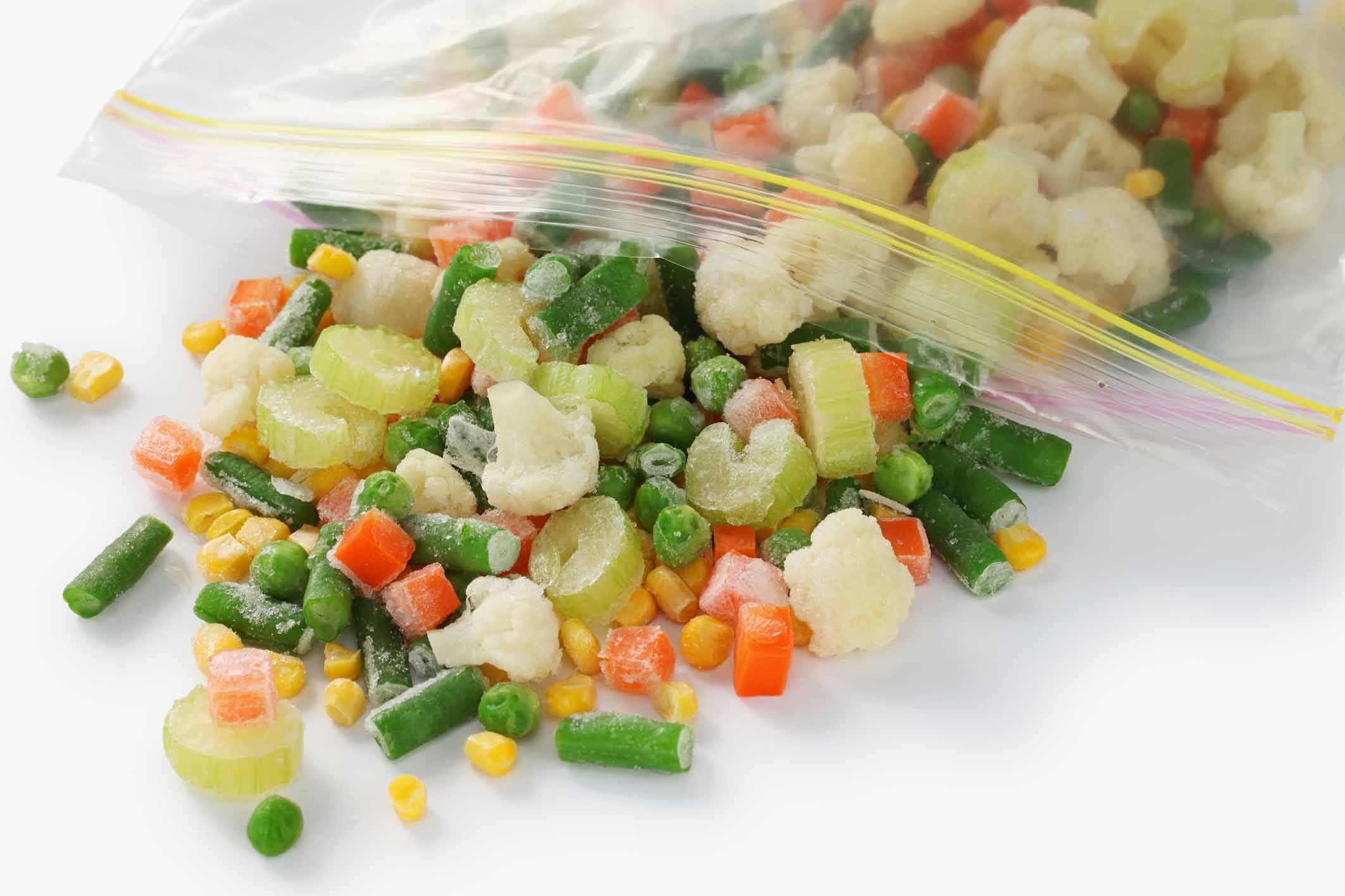
Make a simple ice pack using ice cubes, a ziplock bag, and a towel to place between the ice bag and your skin. Better yet, if you have a bag of frozen vegetables (peas or corn work best), use this as it conforms well to any body part.
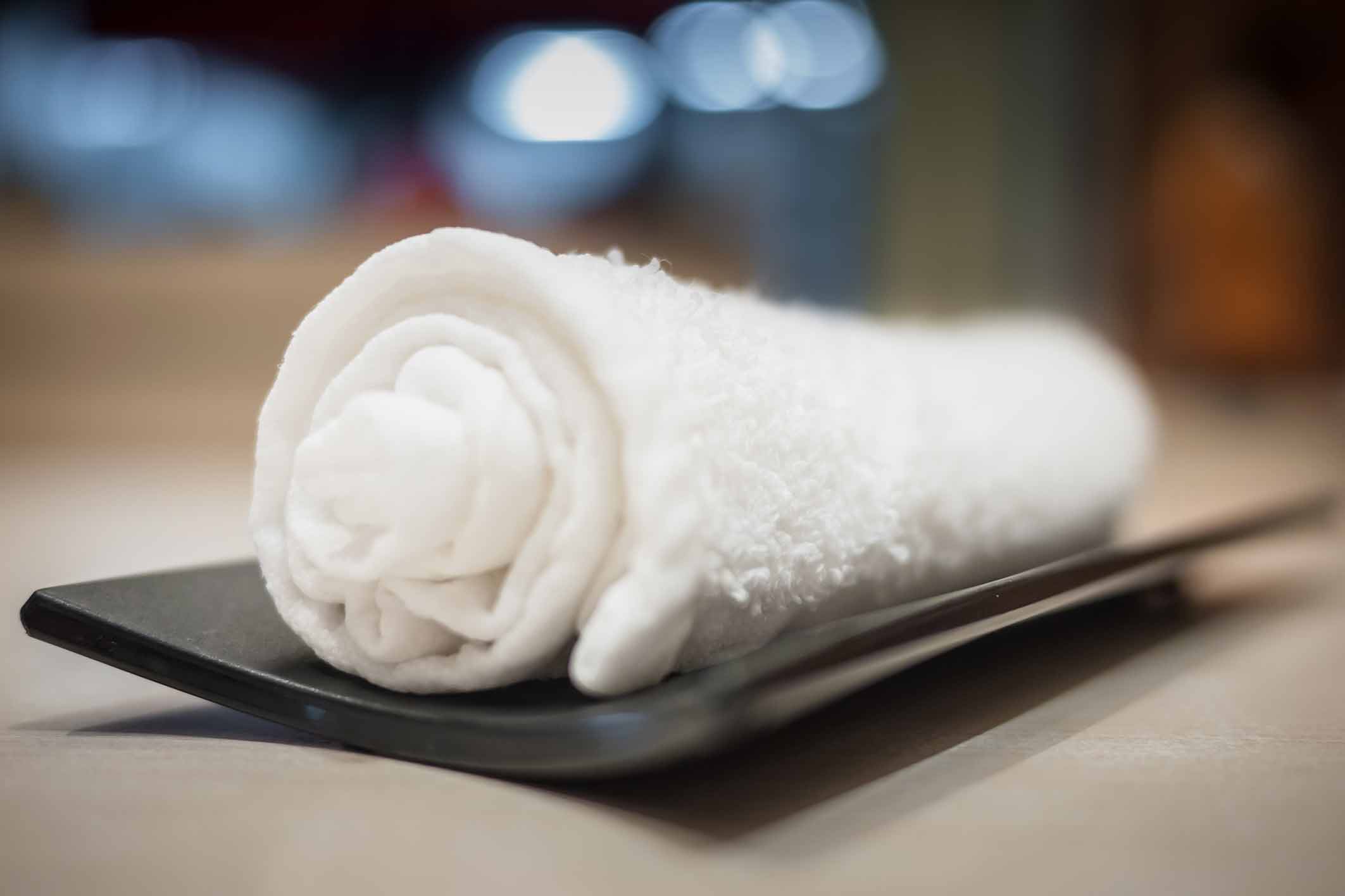
Soak a washcloth or paper towels in cold (or ice) water and apply it to the painful region.
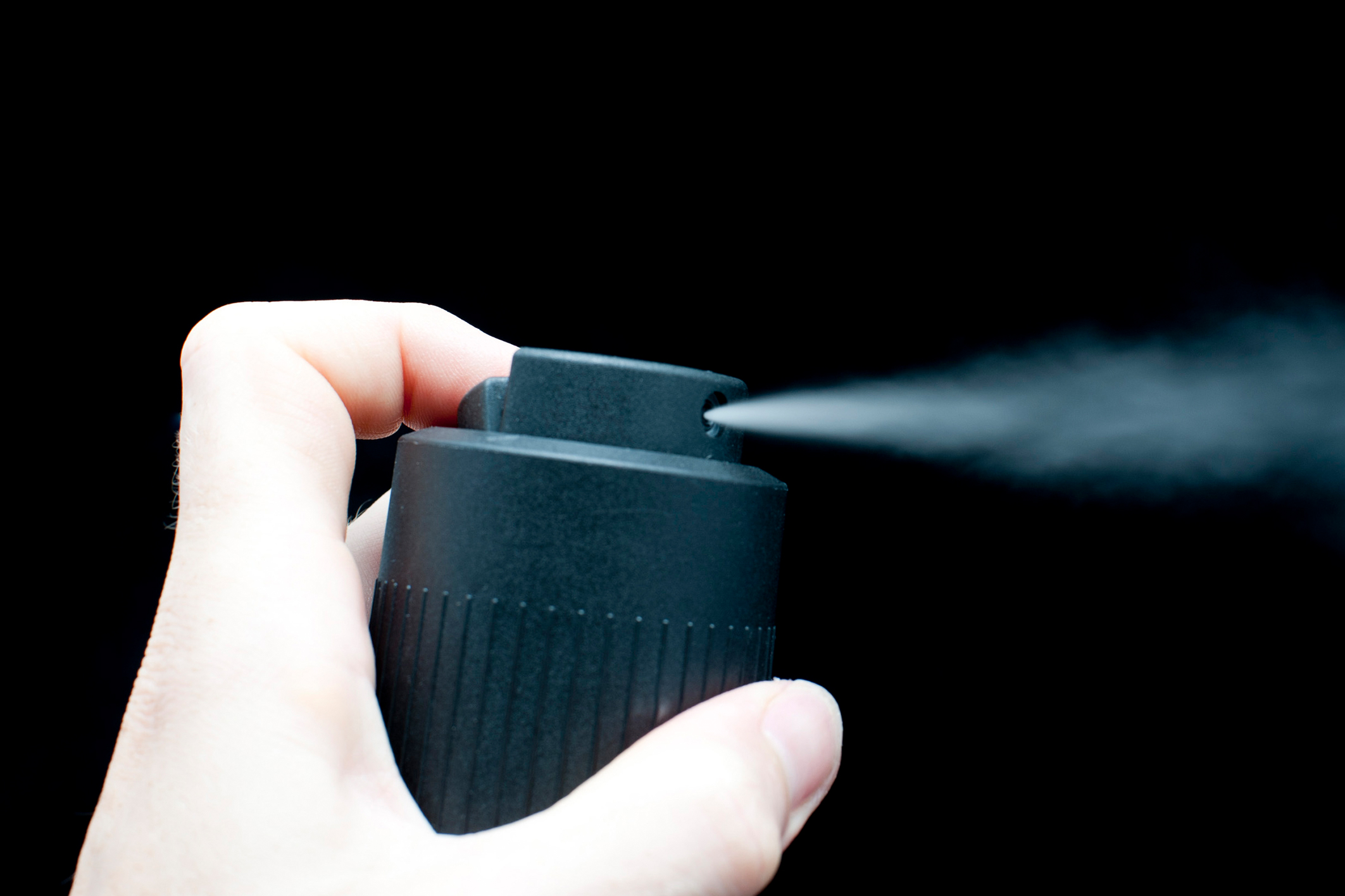
These provide topical pain relief and can be used anywhere. They are fast-acting and sometimes provide long-lasting relief. Coolant sprays often contain menthol to soothe.
Take a cold or icy bath. If this is too uncomfortable, soak only the affected area in cold water. Make sure the water is not too icy, and avoid staying submerged for too long.
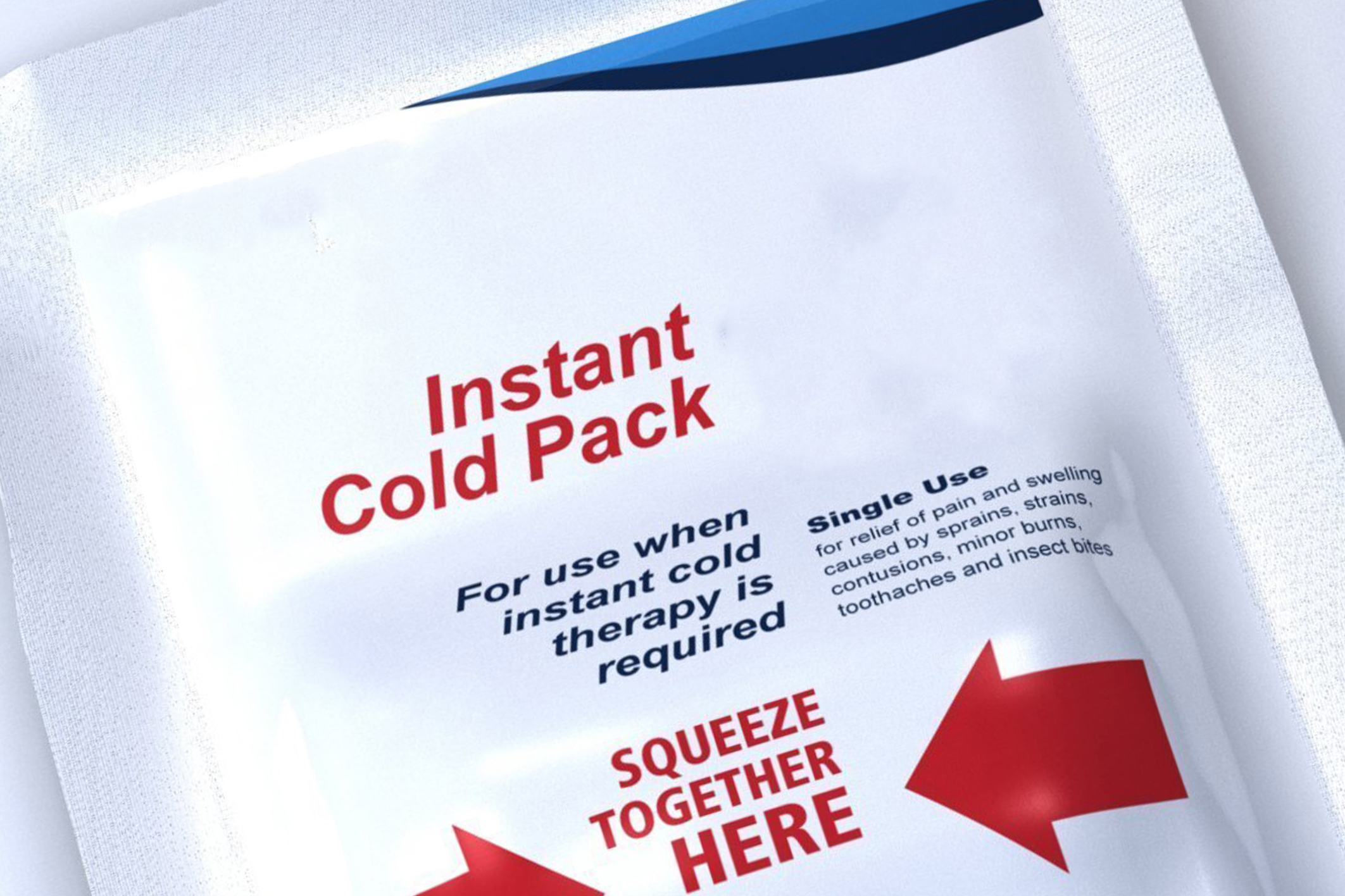
These can be used anywhere. With a single squeeze, the chemical cold pack will become activated and provide immediate relief to the affected area. They only last about 30 minutes, but work to reduce swelling and decrease pain.
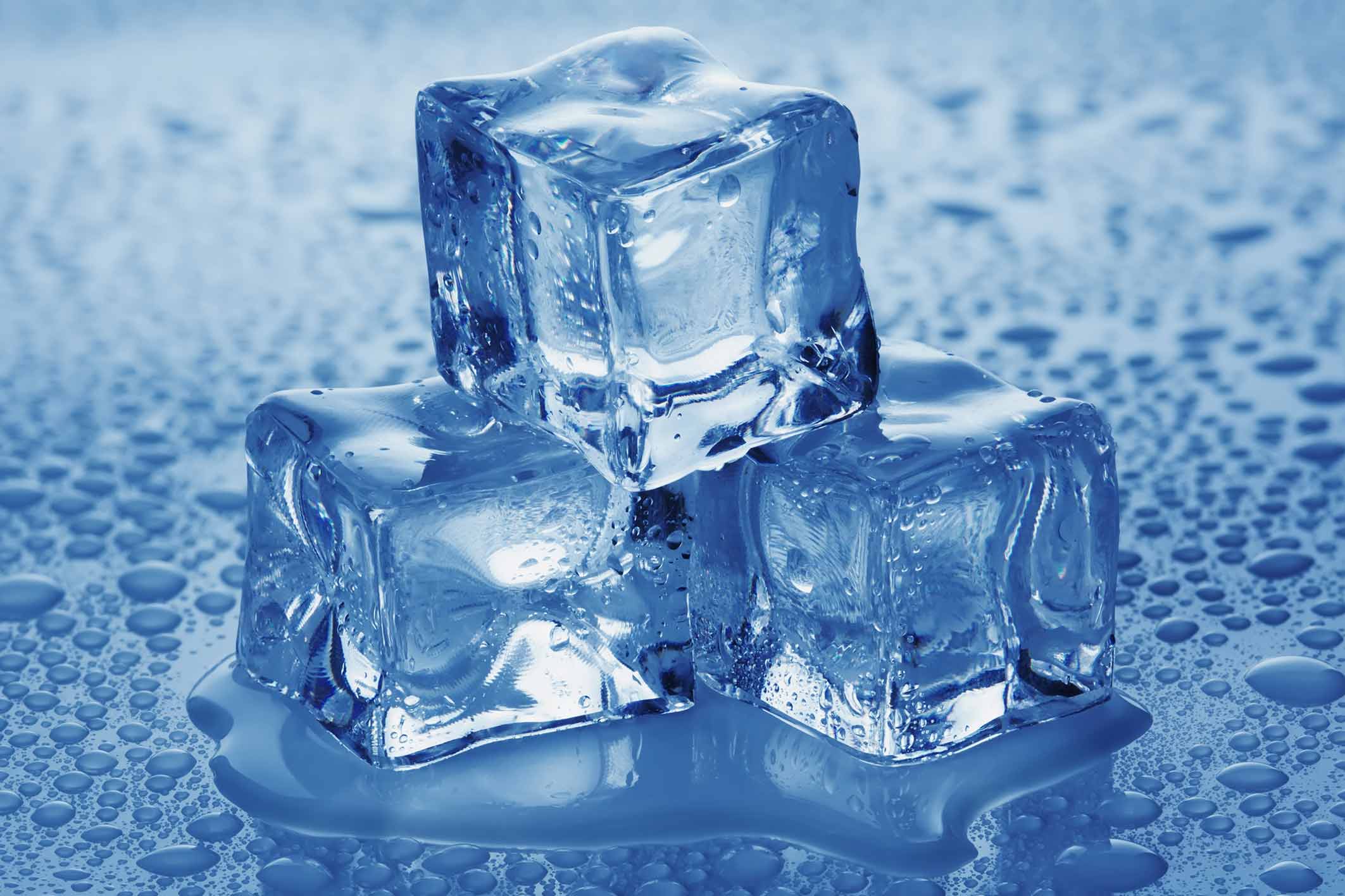
To reap the benefits of an ice massage, you will massage the affected area for 7-10 minutes using either an ice cube, or by making an ice cup. To make an ice cup, fill a paper cup approximately two-thirds to the top and place it in the freezer until it is solid. Then use this giant ice cube to massage the affected region!
Be aware of the amount of exposure time between your skin and the ice – you should never leave a cold pack on the affected area for more than thirty minutes at one time. If you breakout in hives or your skin begins to turn purple, it is likely that you’ve iced for too long.