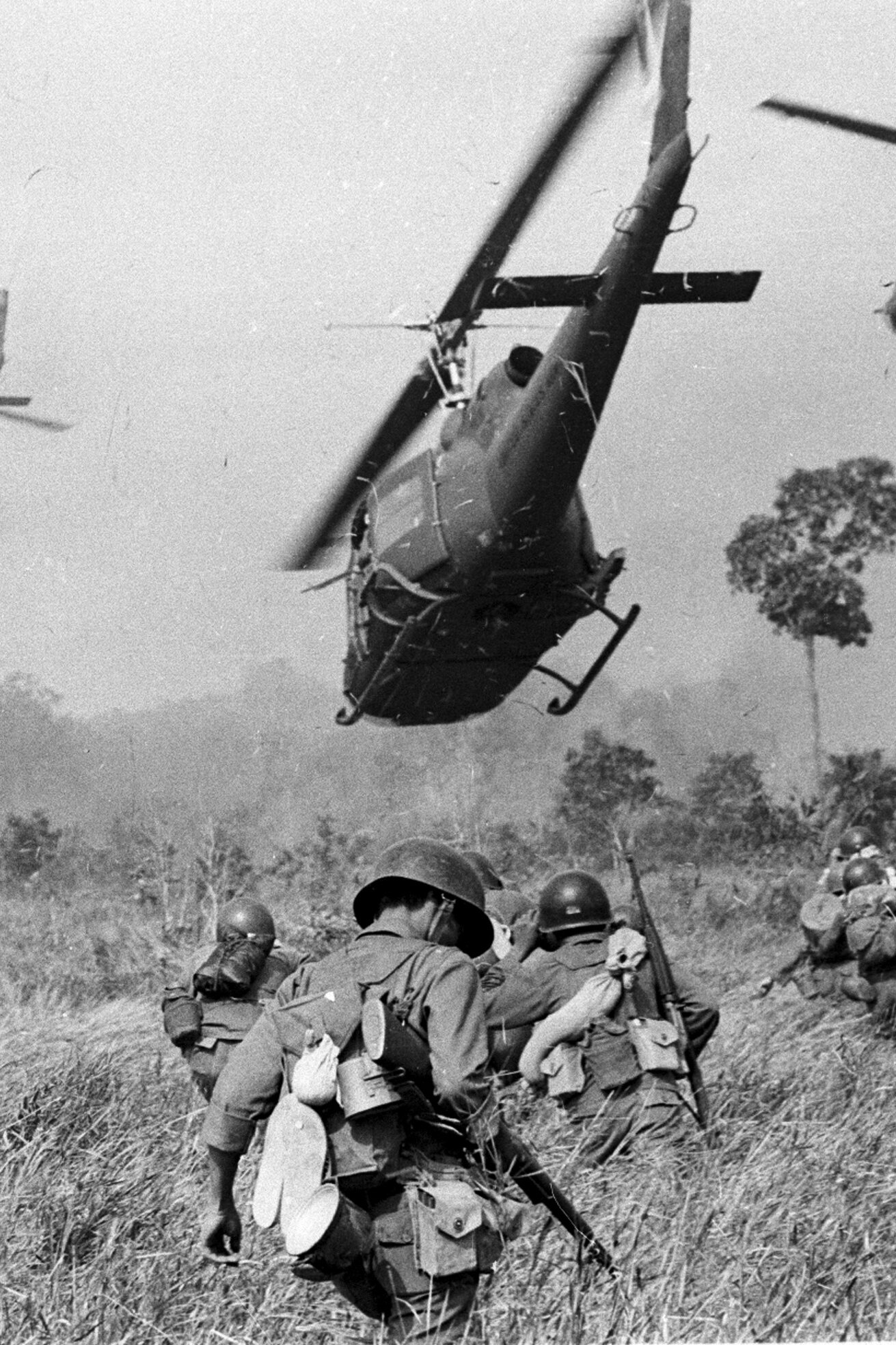
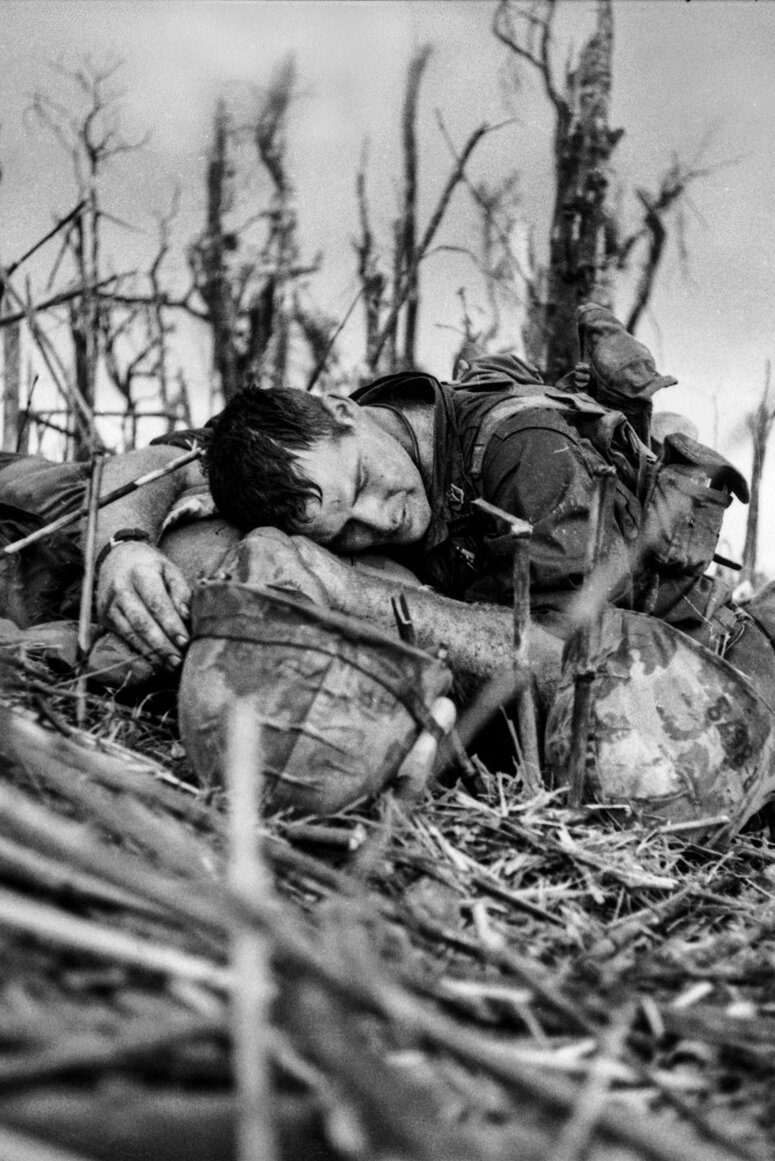
Tay Ninh, 1965. Photograph by Horst Faas/Associated Press
Vietnam was the first “living room war,” seen on TV and through remarkable photography.
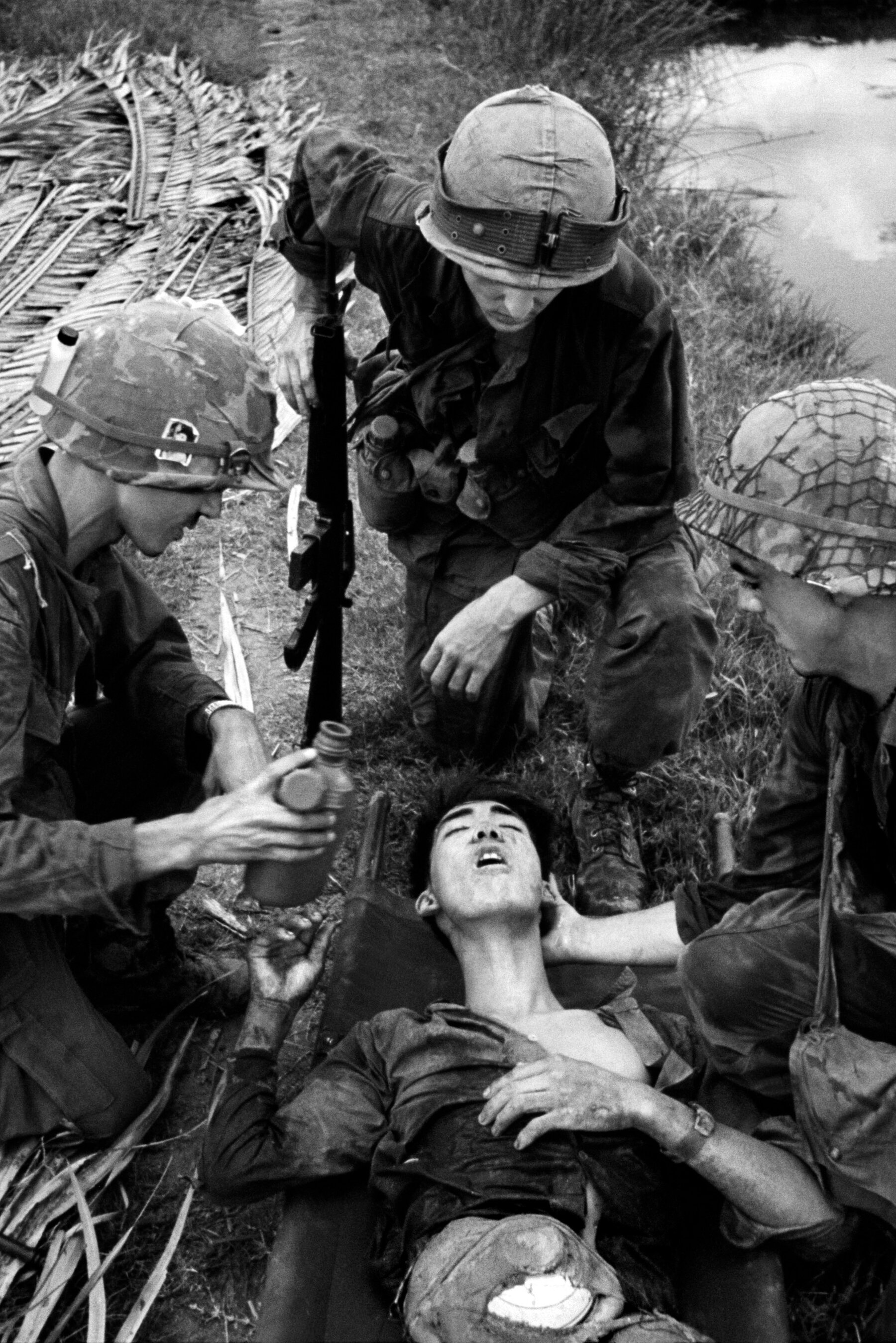
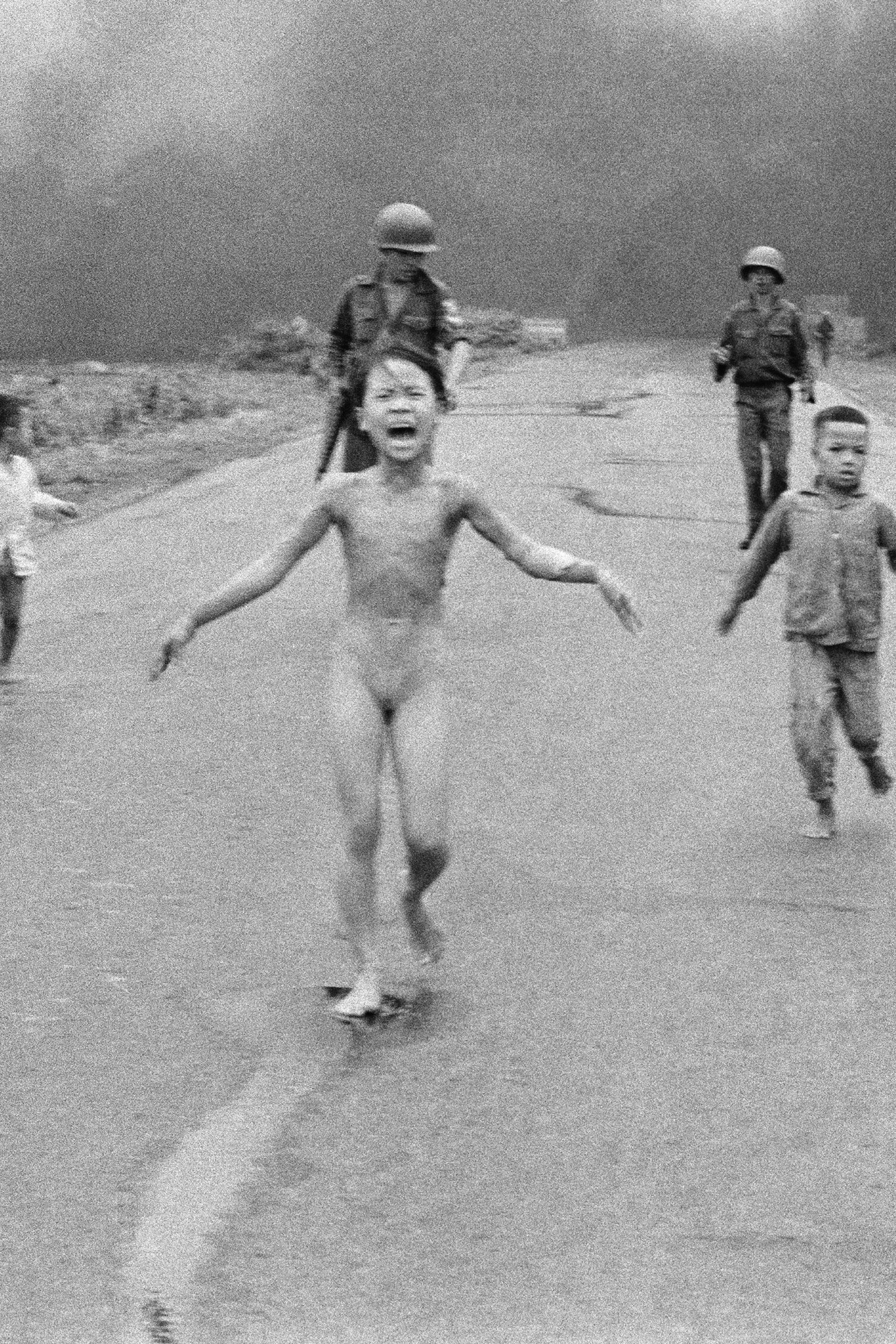
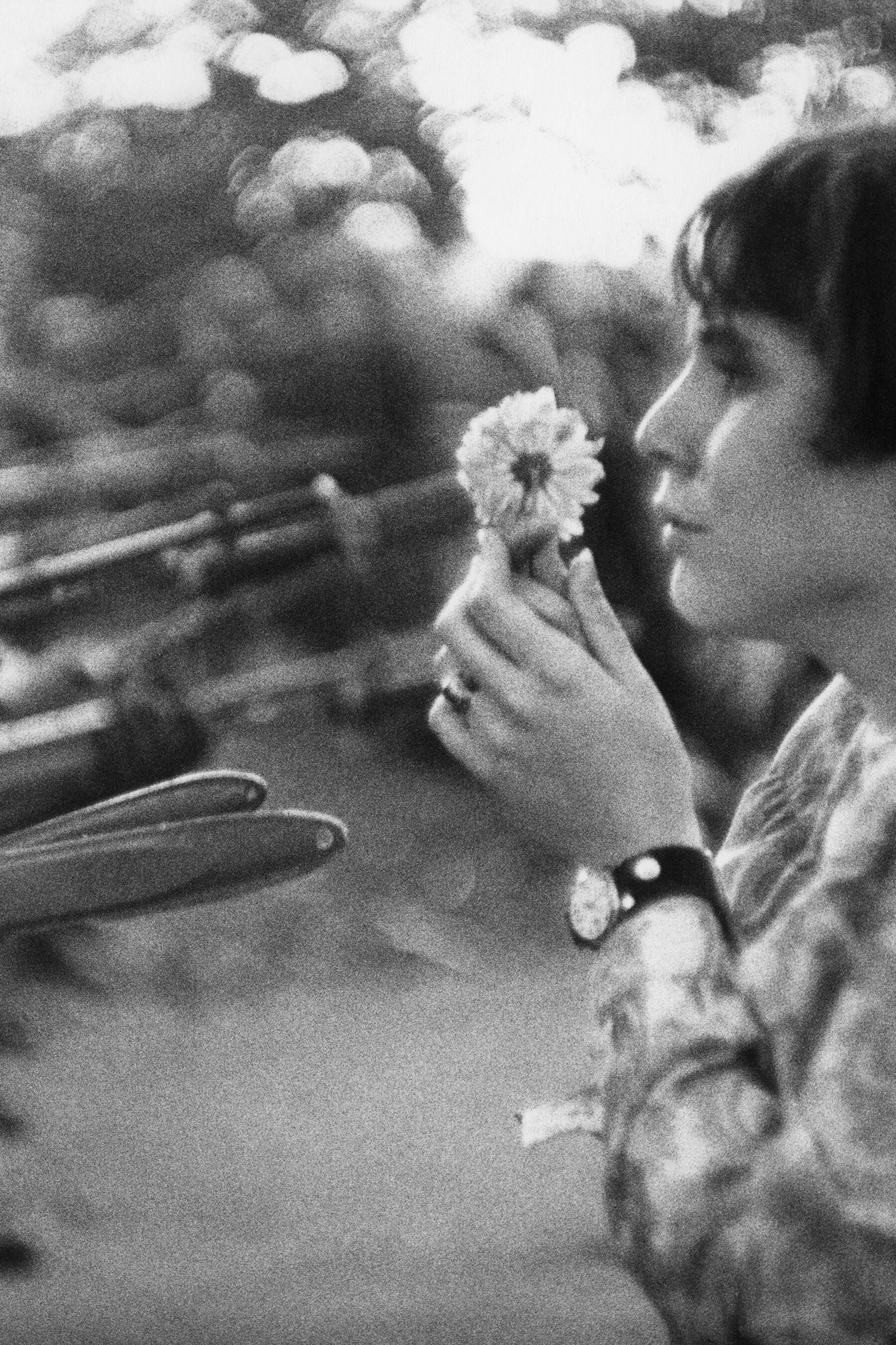
Photojournalists captured war’s most personal moments, the best and worst of human nature.
They felt the bombs. They documented the suffering.
Their work reshaped politics and amplified opposition to the war.
The Vietnam War ended 50 years ago this week.
What do its images still have to teach?
How Photography From the Vietnam War Changed America
The images changed how the world saw Vietnam, but especially how Americans saw their country, soldiers and the war itself, which ended 50 years ago this month.
There are so many ways to describe what photography from the Vietnam War captured and revealed, but maybe it boils down to what Tim O’Brien shared in “The Things They Carried.”
“I survived,” he wrote in one of the book’s stories, “but it’s not a happy ending.”
The war, which formally concluded on April 30, 1975, still elicits grief for all that was burned into memory and reinforced on film.
The most memorable photographs of that era, with its grisly, muddy, cruel jungle war, were shot by a brave global crew with a wide range of political views and backgrounds.
Dickey Chapelle, the first female photojournalist to die in Vietnam, was a Midwesterner who could barely contain her anti-Communism. Tim Page was an irreverent dope-smoking Brit; Henri Huet was French and Vietnamese, and known for his humor and kindness.
Together, their images and those of many others changed how the world saw Vietnam, but especially how Americans saw their country, soldiers and war itself.
Advertisement