|
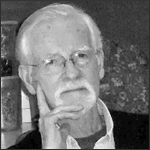
"After graduating from the Ontario College of Art in 1952, I had no clear idea of what I wanted to say with the visual art vocabulary that I was equipped with during the four years of training in that institution. Nor could I discern where I might fit into the rapidly shifting art scene of the day. It was during the 1950s and 60s that I became acquainted with the work of Joseph Campbell, Carl Jung, and Erich Neumann. These three authors quickened an awareness of a whole new way of looking at the world, its history, and its cultural constructions, from an interior perspective that set in motion the directions I took in my art work during the years that followed. In 1964, I had a solo exhibition of 20 drawings at Victoria College, the University of Toronto, under the general title: In Quest of a Countenance. It was at this time that I adopted a mythic, narrative mode that allowed my allegorical images to function as metaphors that reflected the nature of this quest. I have maintained the same title for my 2010 book of drawings, paintings, and sculpture in keeping with an ongoing search for significant meaning in a world of radical change. I am happy to acknowledge the profound contribution that Ken Wilber’s brilliant work is continuing to make toward the development of my understanding of the human condition in a world in which I find myself to be so mysteriously situated as a conscious entity on planet earth today. And I am firmly convinced that it is through Wilber’s work and all that is being done under the mantle of the Integral Approach that, given half a chance, humanity will gain access to the next evolutionary step on the expanding spiral of life’s dynamic unfolding. "
|
John Inglis | In Quest of a Countenance

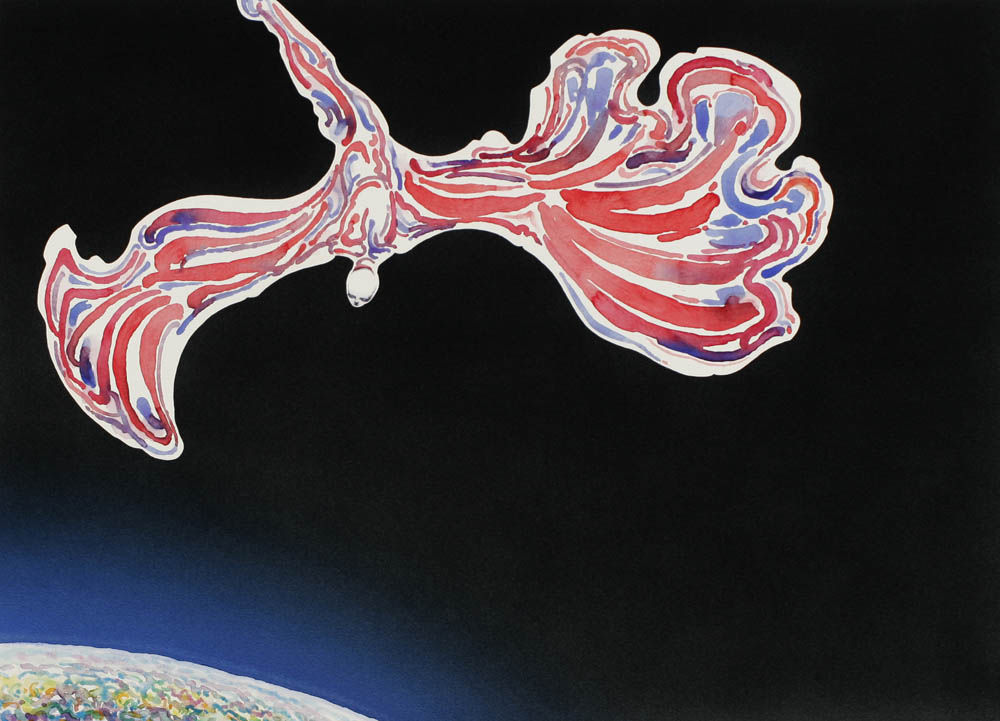
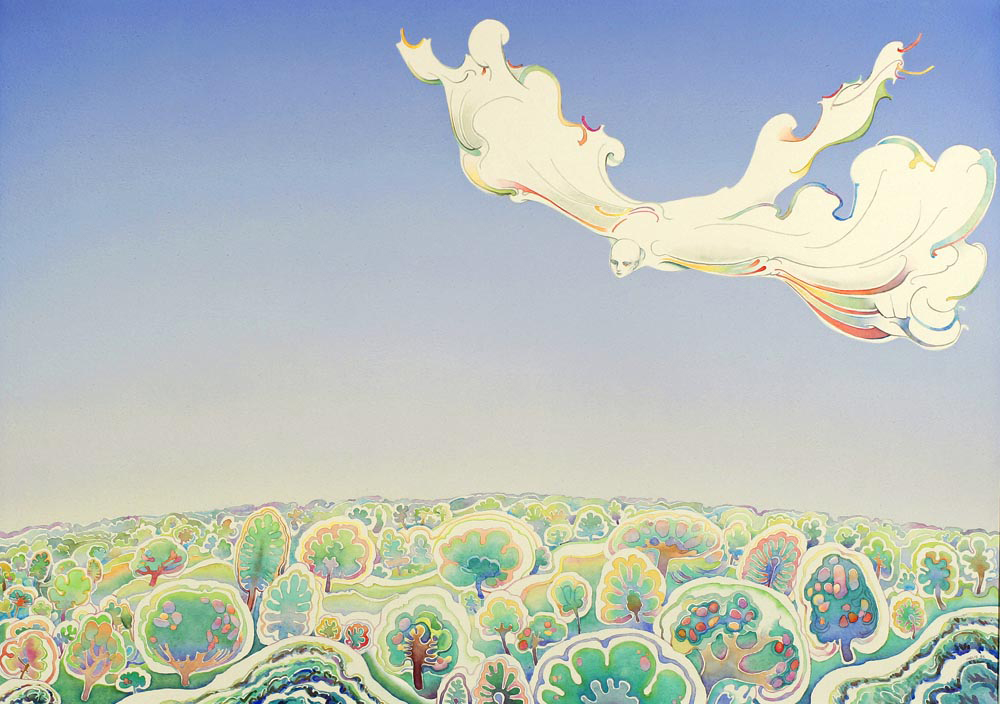
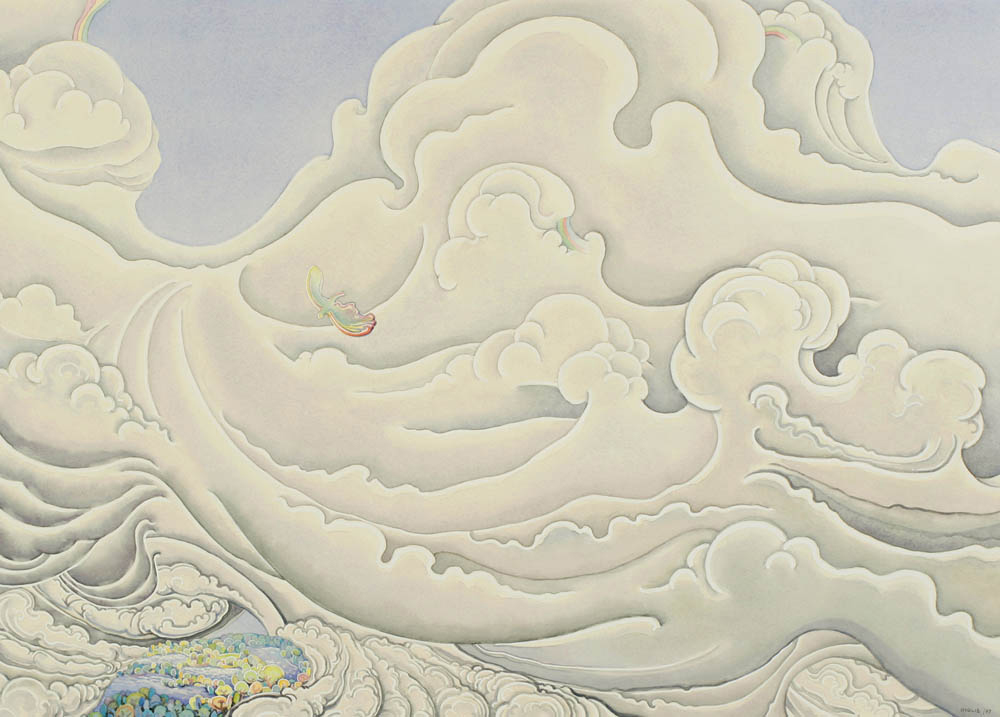
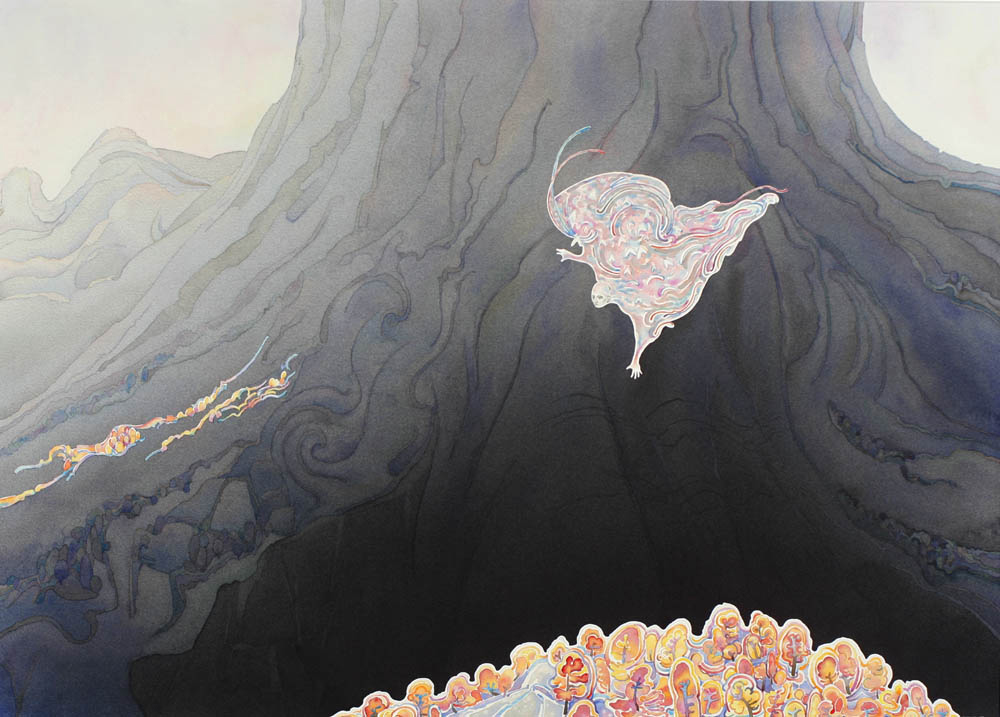
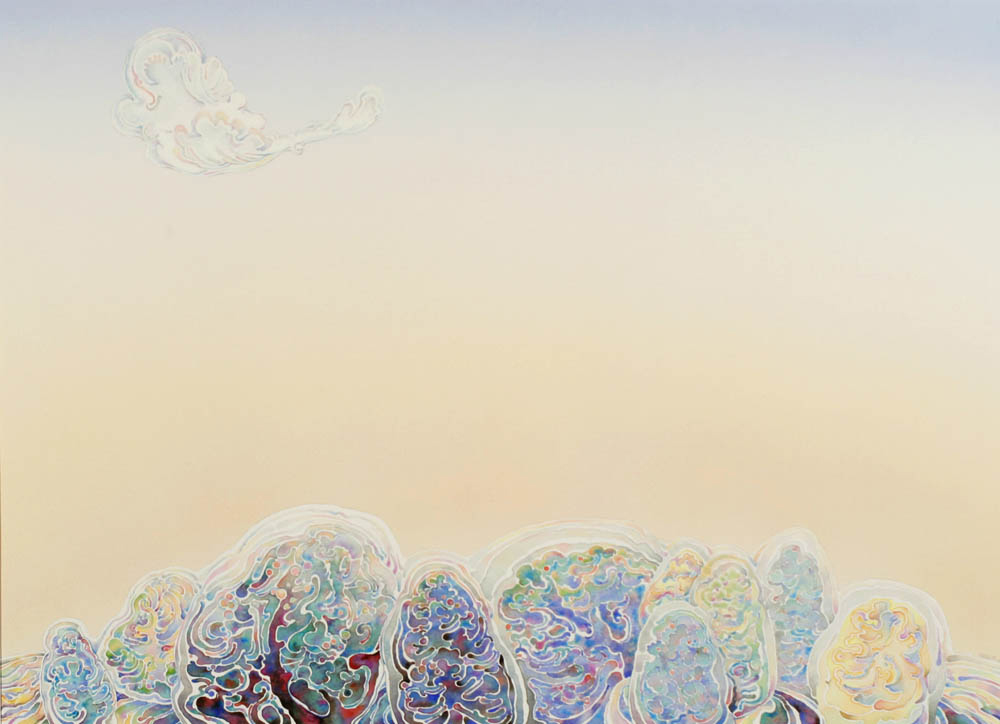
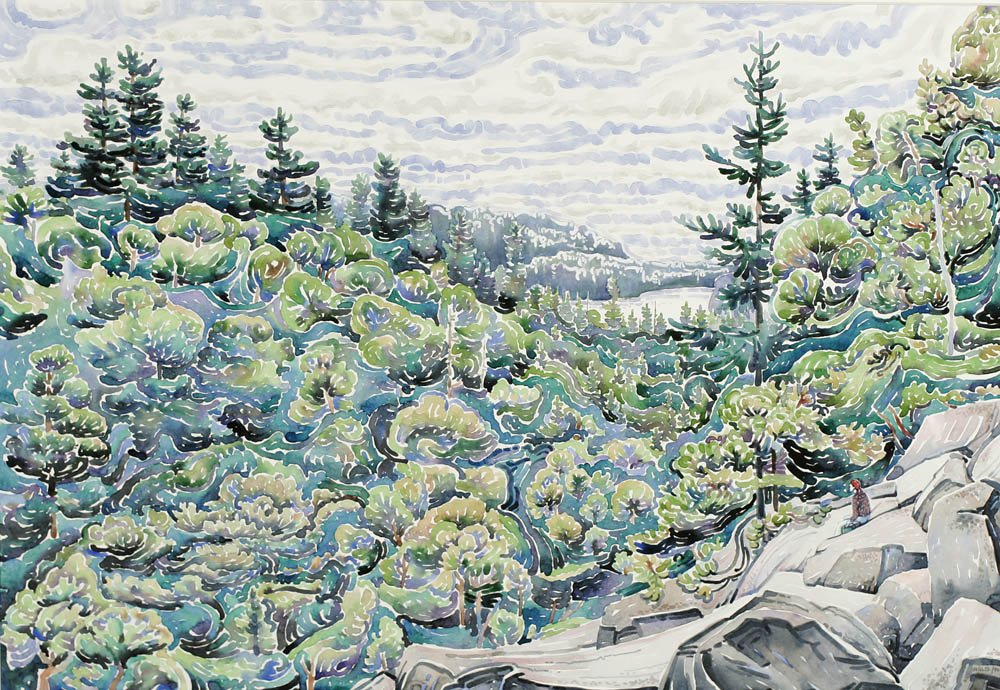
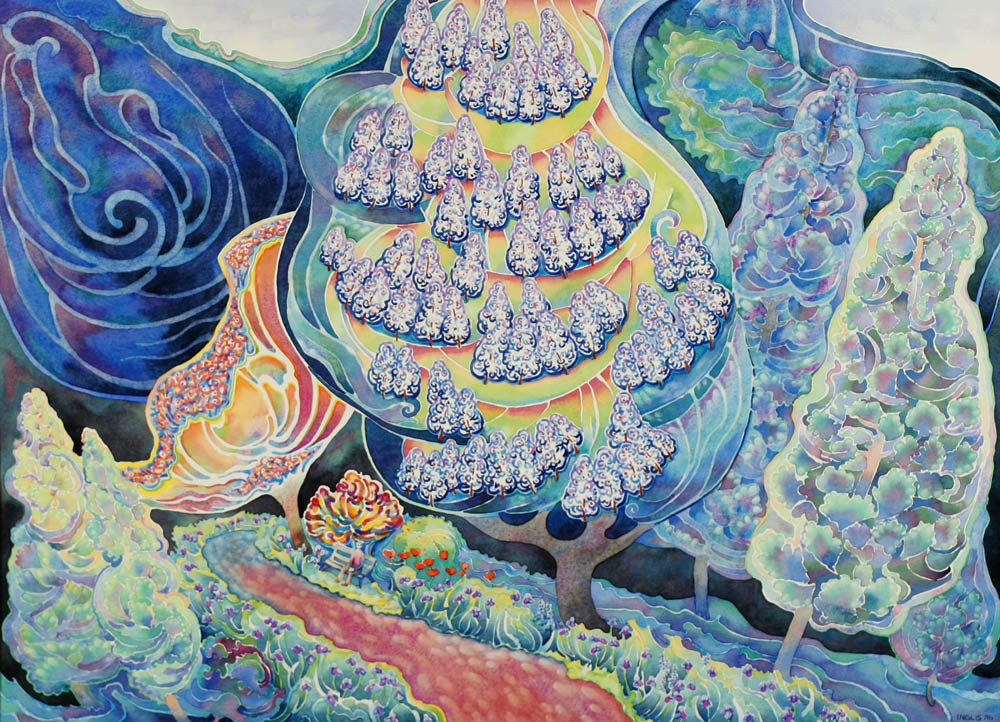
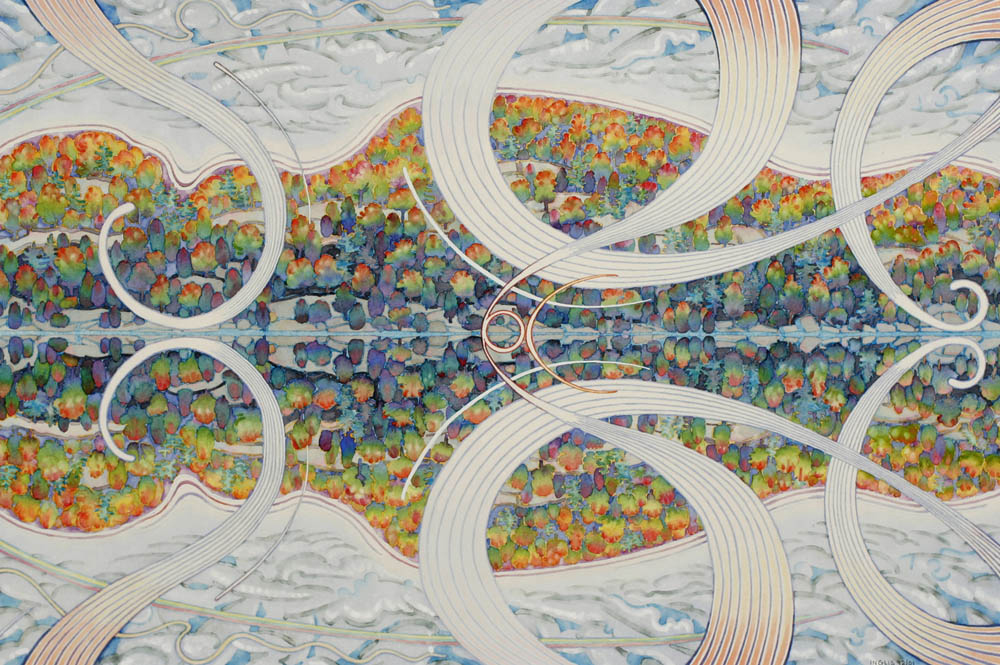
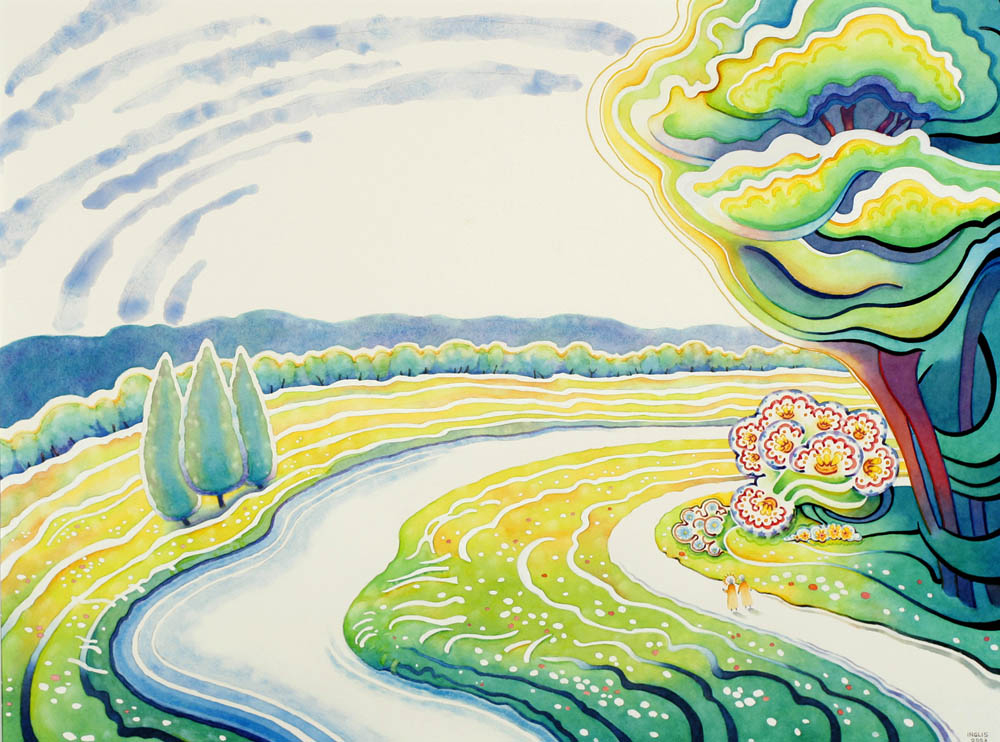
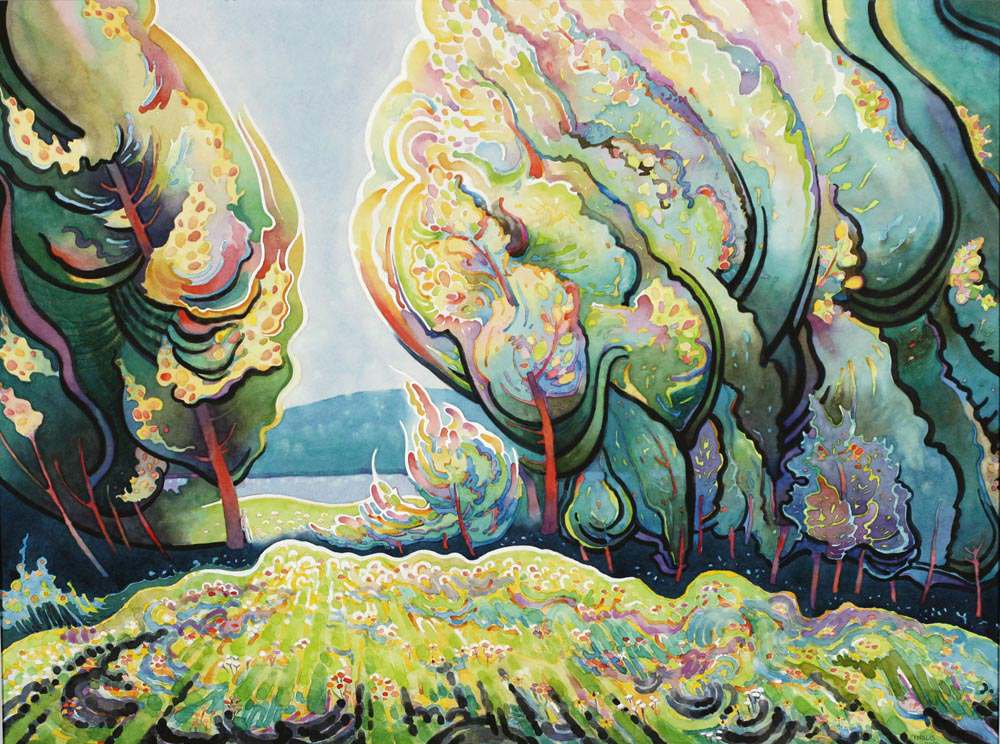
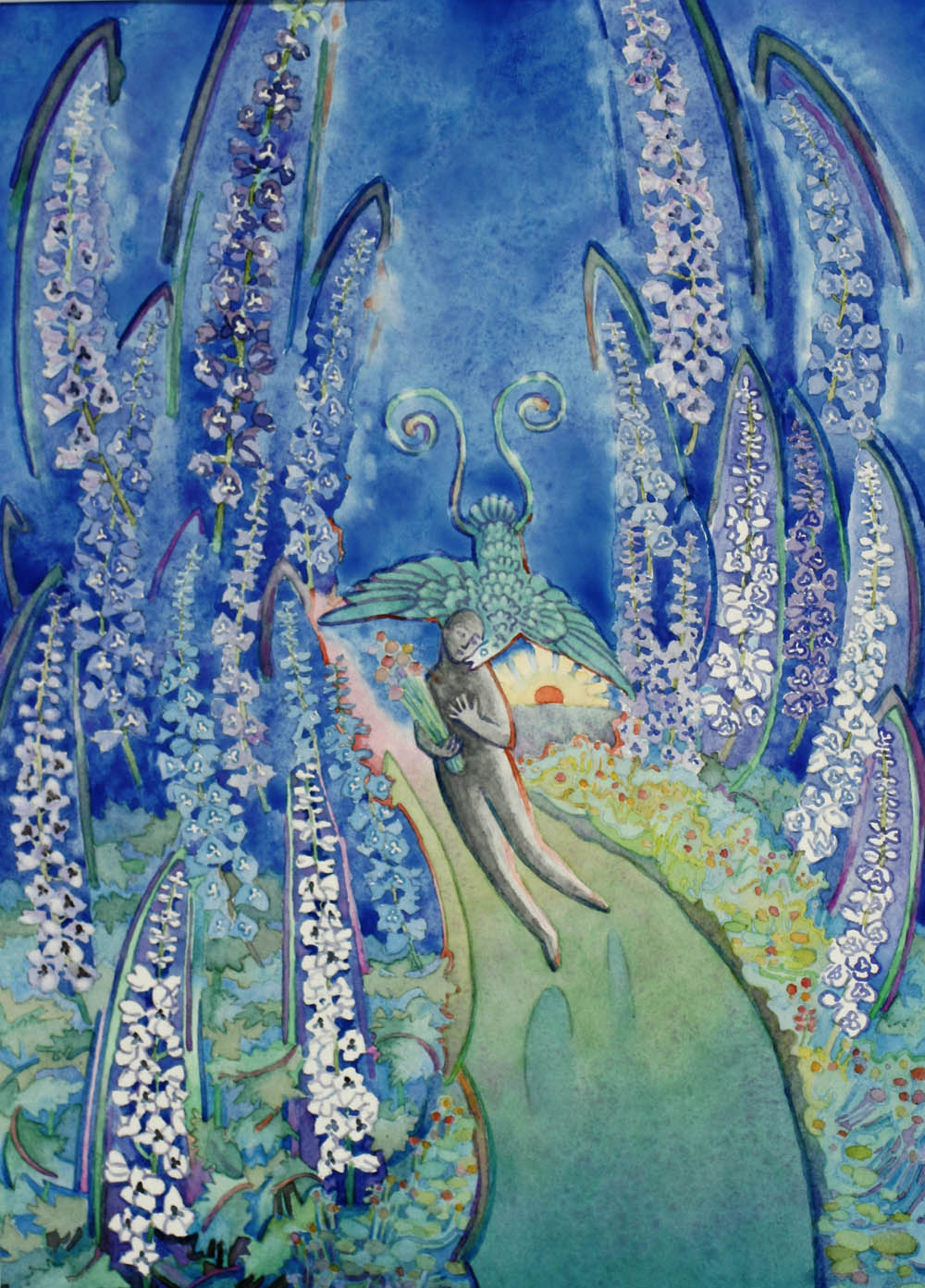
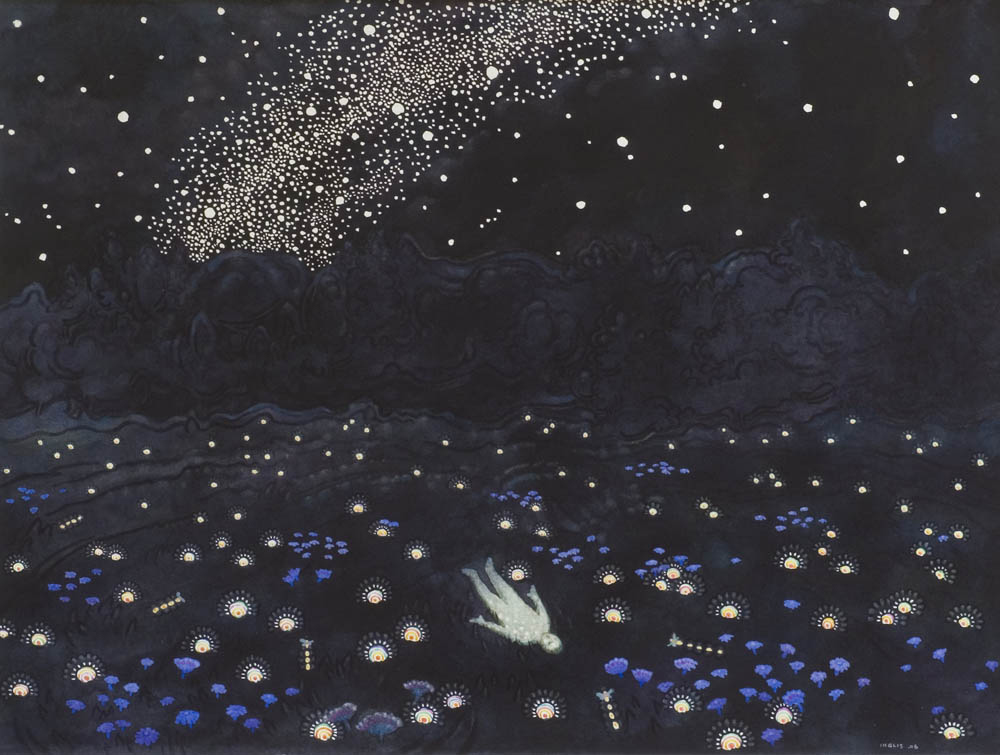
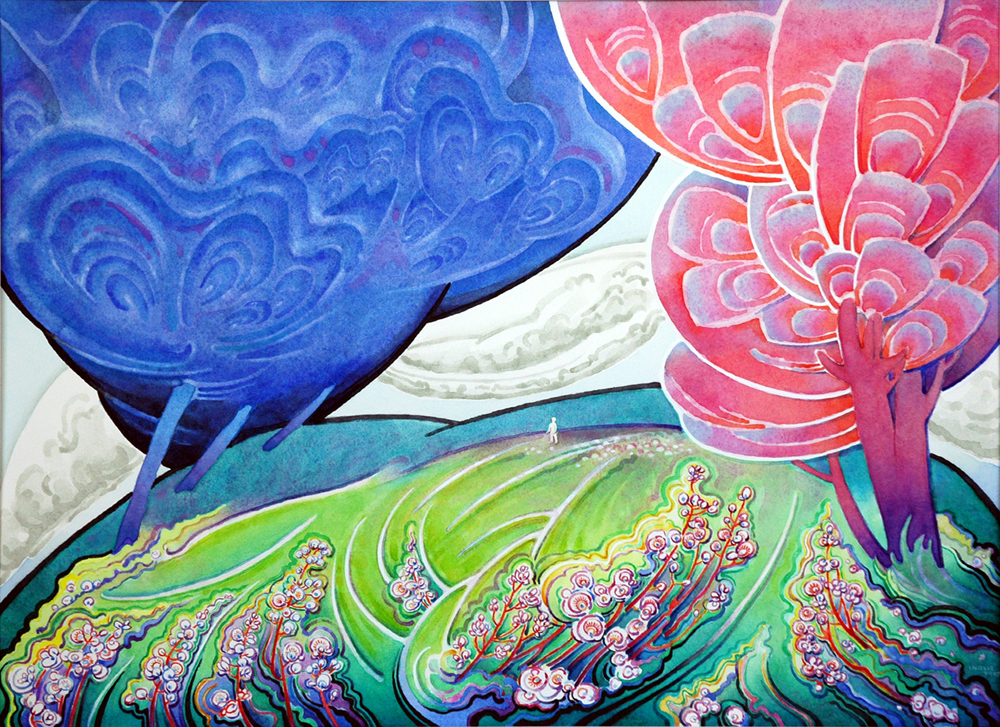
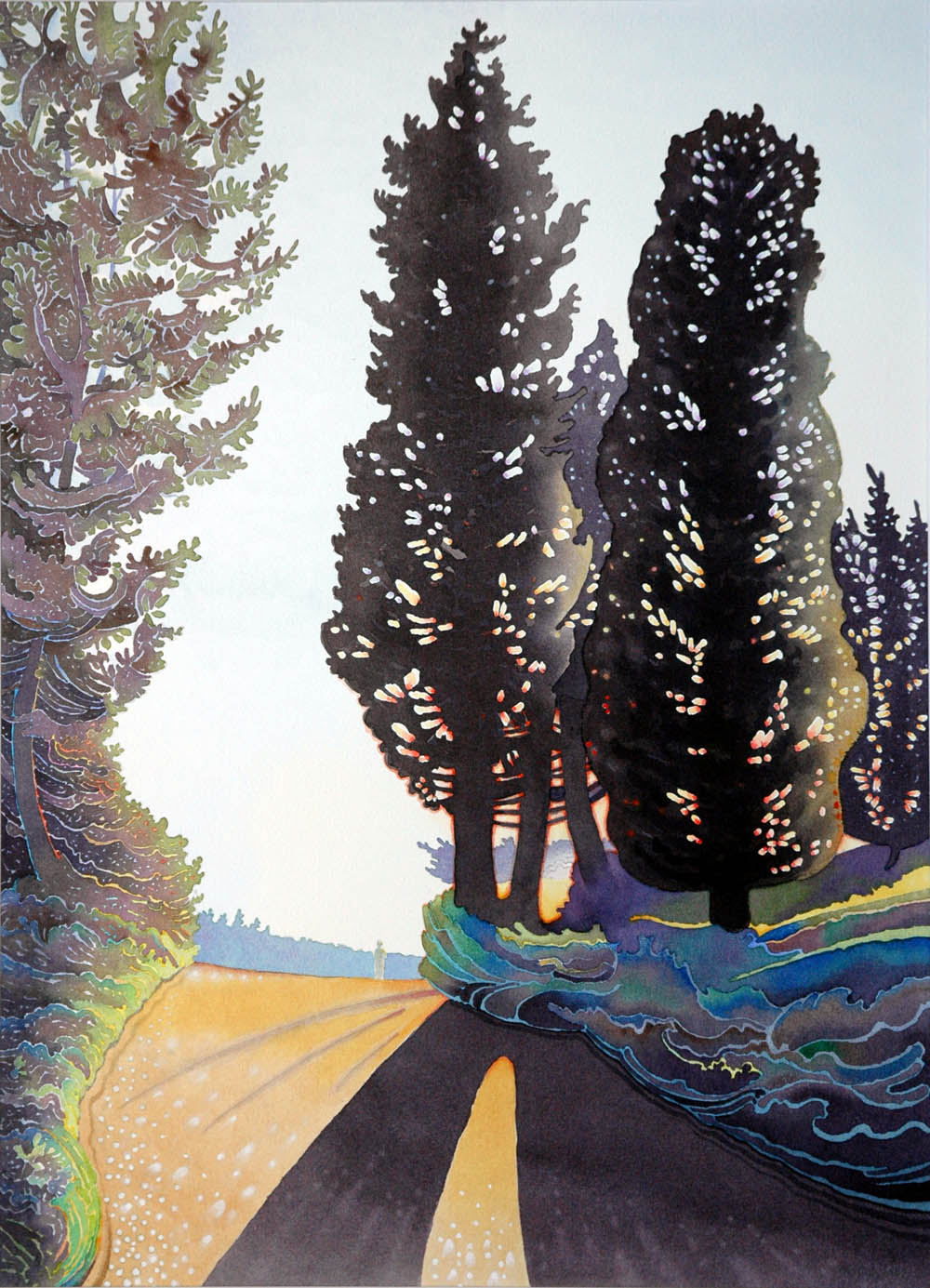
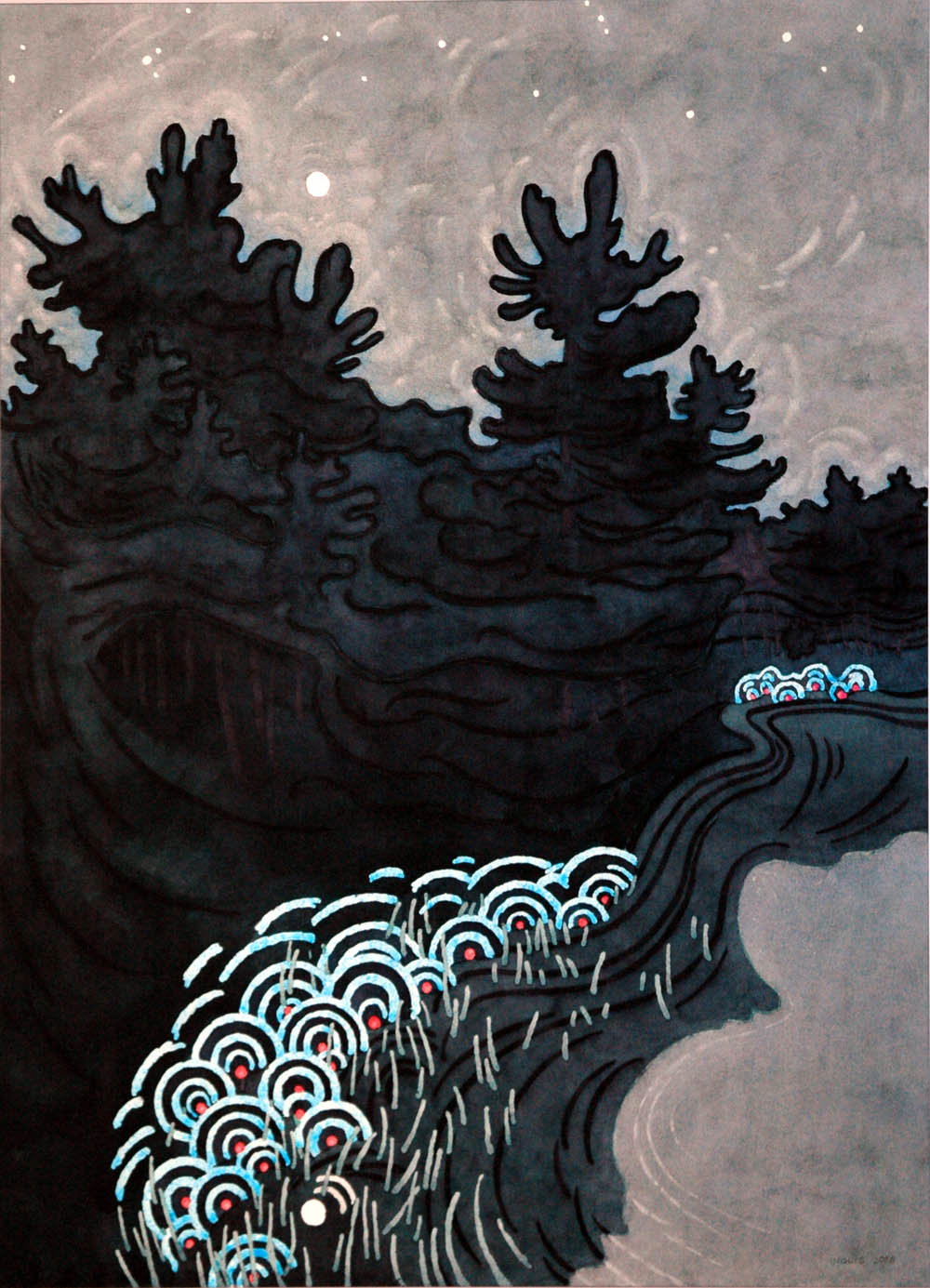
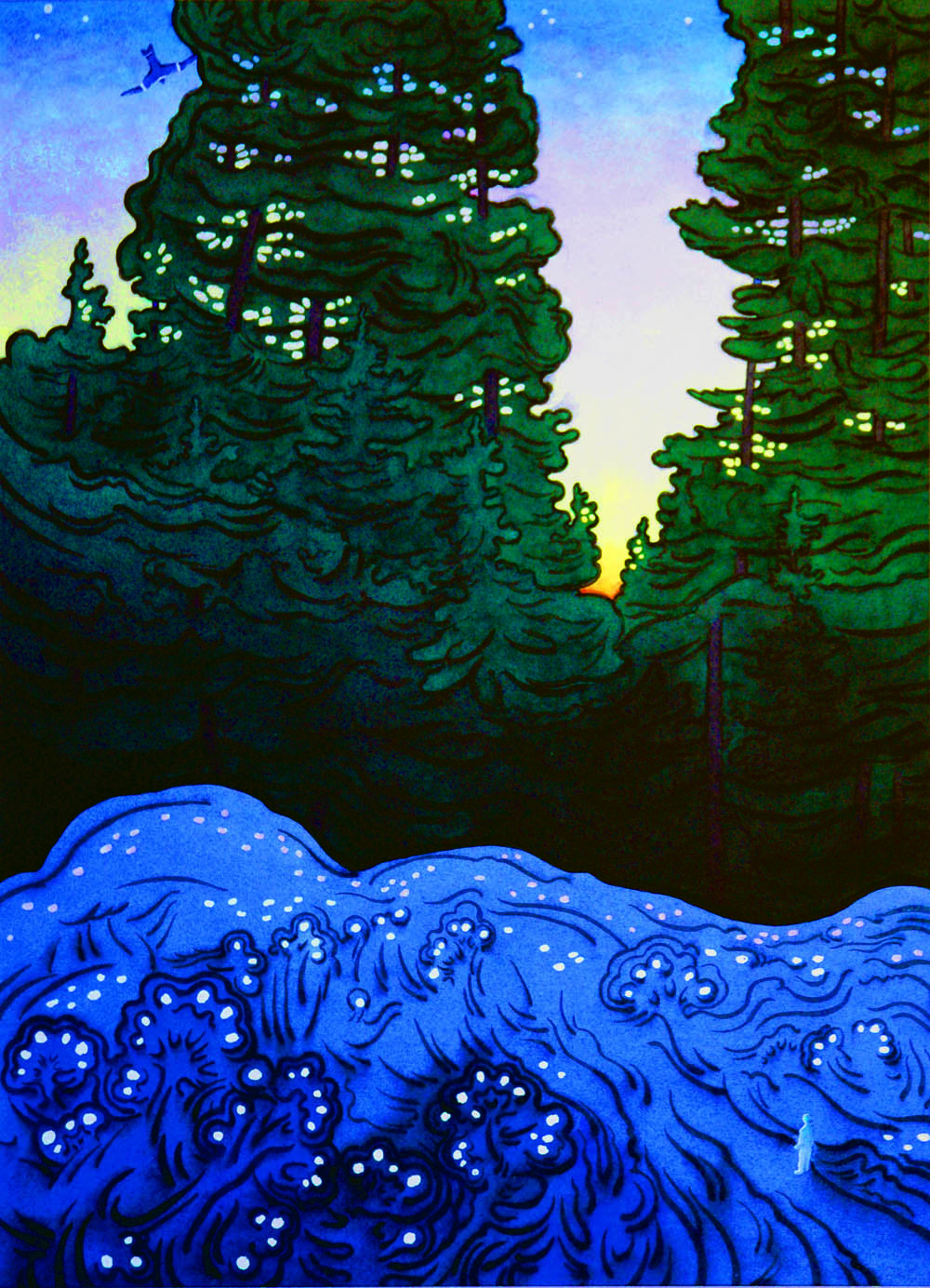
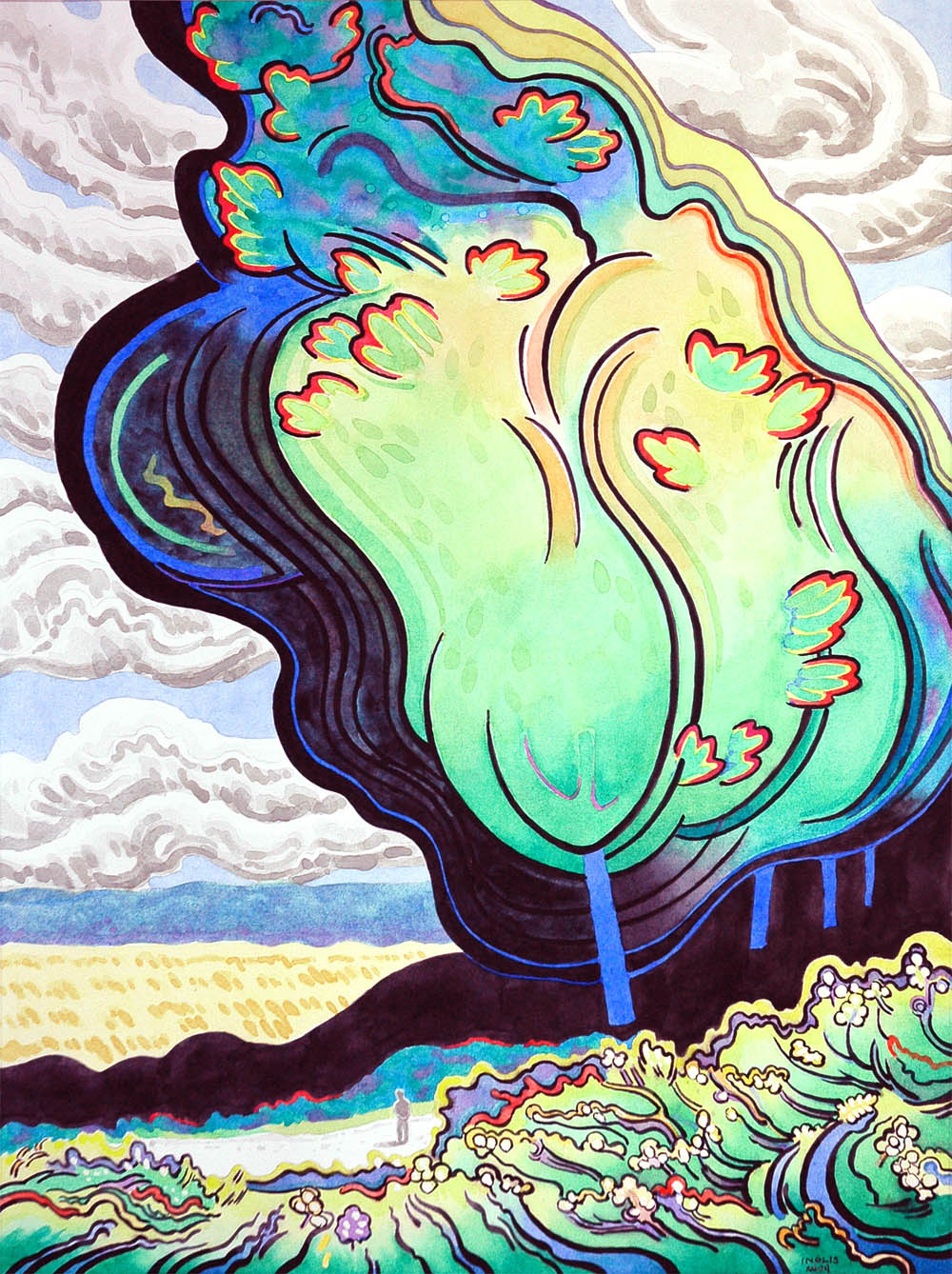
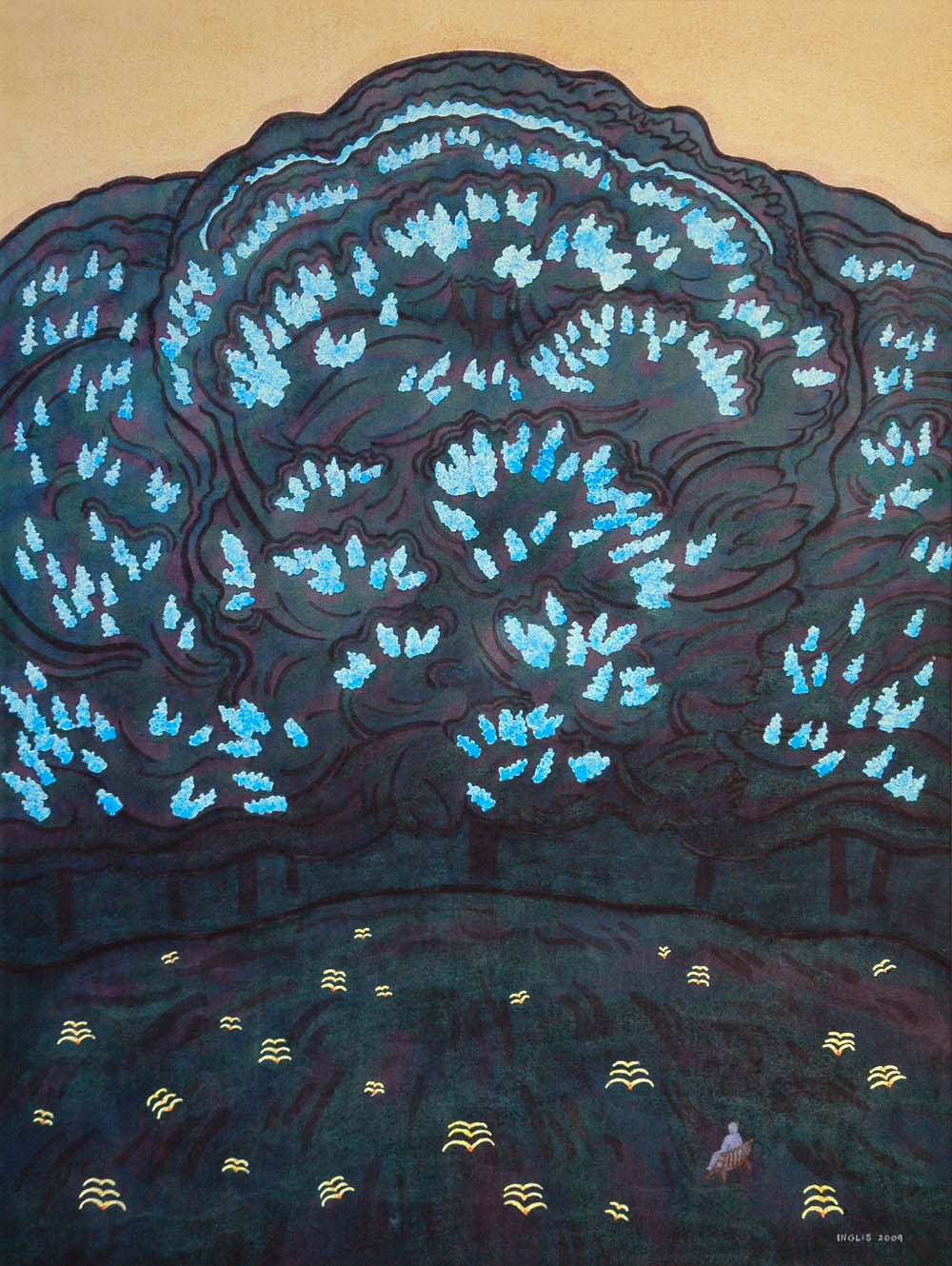
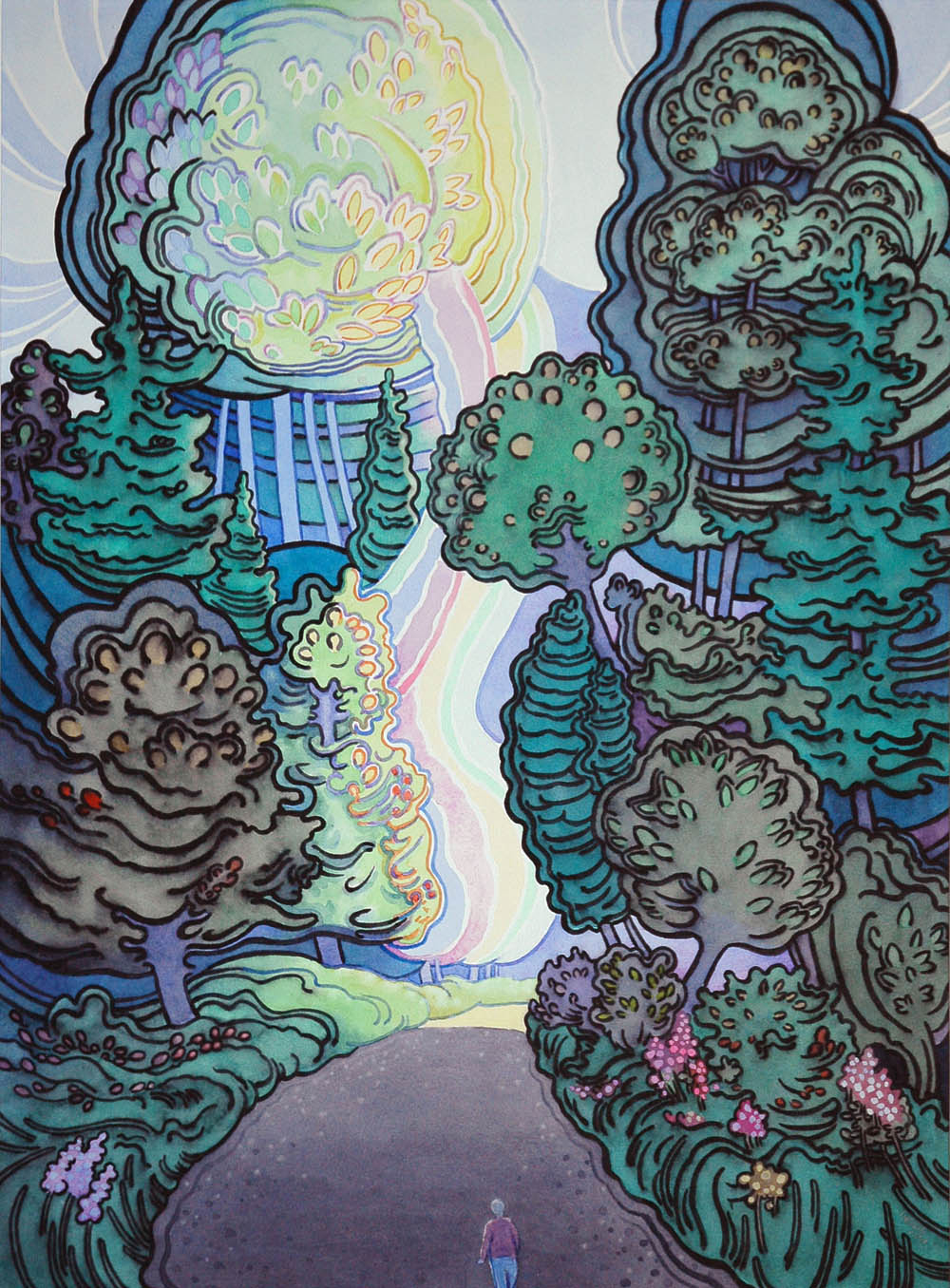
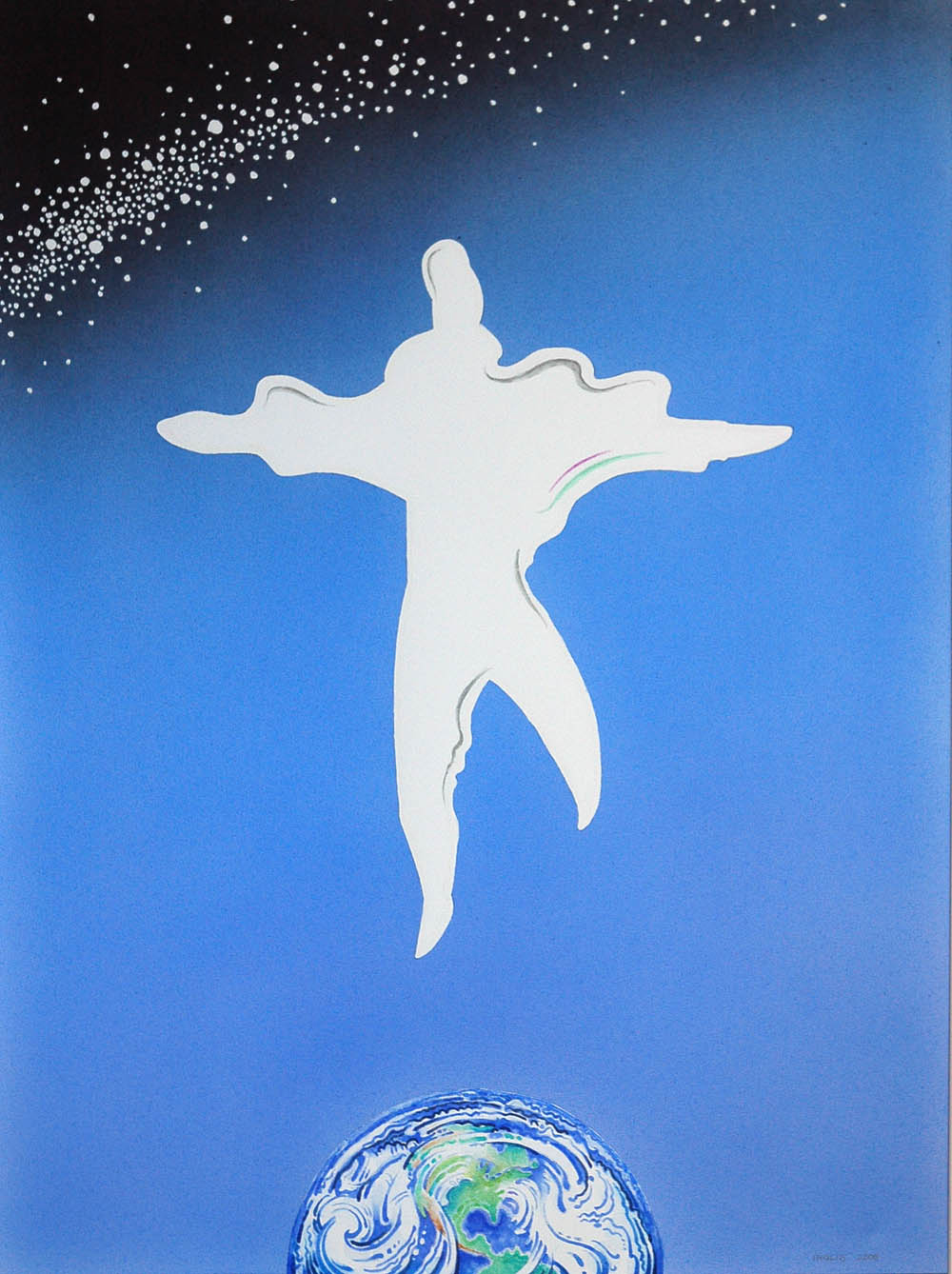
John Inglis’s art is magical—not the childish longings of romantic regression, but the expression of a mature child-like wonder in awe of the glories of manifestation. Inglis structures his compositions through the patterning of organic forms, the repetition of echoing curves, with volumes kept to a minimum—a simplicity, clarity, and directness of presentation. The doors of perception wiped clean. Trees, plants, hills, rivers, clouds, rays of light, all echo and reverberate with one another, a secret symphony of nature’s silent song (A Morning Walk by the River, 2003; Toward the Light, 2009). Nature is alive, seemingly sentient while communing with itself. The interior elements of trees (In the Park, 1996) are parts of the tree and also wholes unto themselves: a vision of the Kosmos as nested part/wholes, or holons. These natural holarchies (as with the landscape in Summer, 1986) are at once physical and energetic, discrete forms and sheaths of radiance: a multi-dimensional unity-in-diversity. A number of the paintings contain small figures, surrogates for the viewer (e.g., The Sun and Wind, 2009; Evening Blossoms and Insect Voices, 2009). Noticing such figures, our perspective taking expands: still seeing the world from the point of view of the painting’s presentation, we simultaneously feel the scale of the pictorial world from the perspective of the small figure, a dropping into unguarded awe in the face of unexpected vastness. Inglis creates worlds: landscape worlds, animal worlds, sky worlds, dream worlds, energy worlds, thought worlds. His integral imaginings are like promises from the future, calling into being holarchies of wondrous delight and mystery. Michael Schwartz
|
|||||||||||||||||||||||||