|
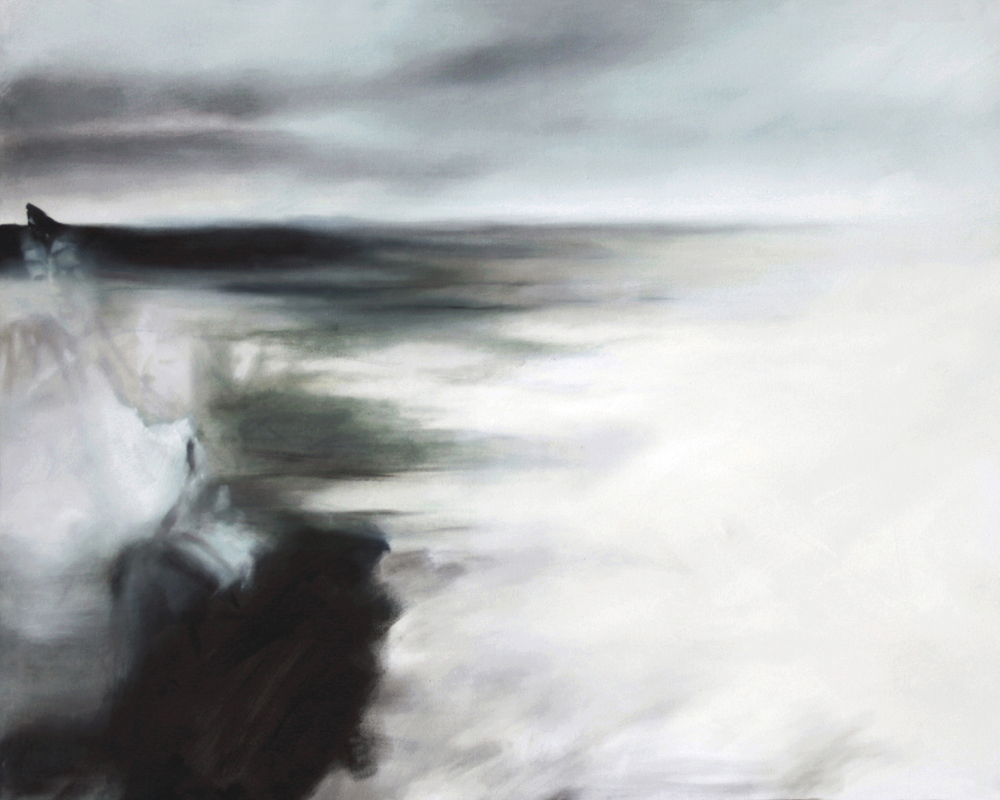
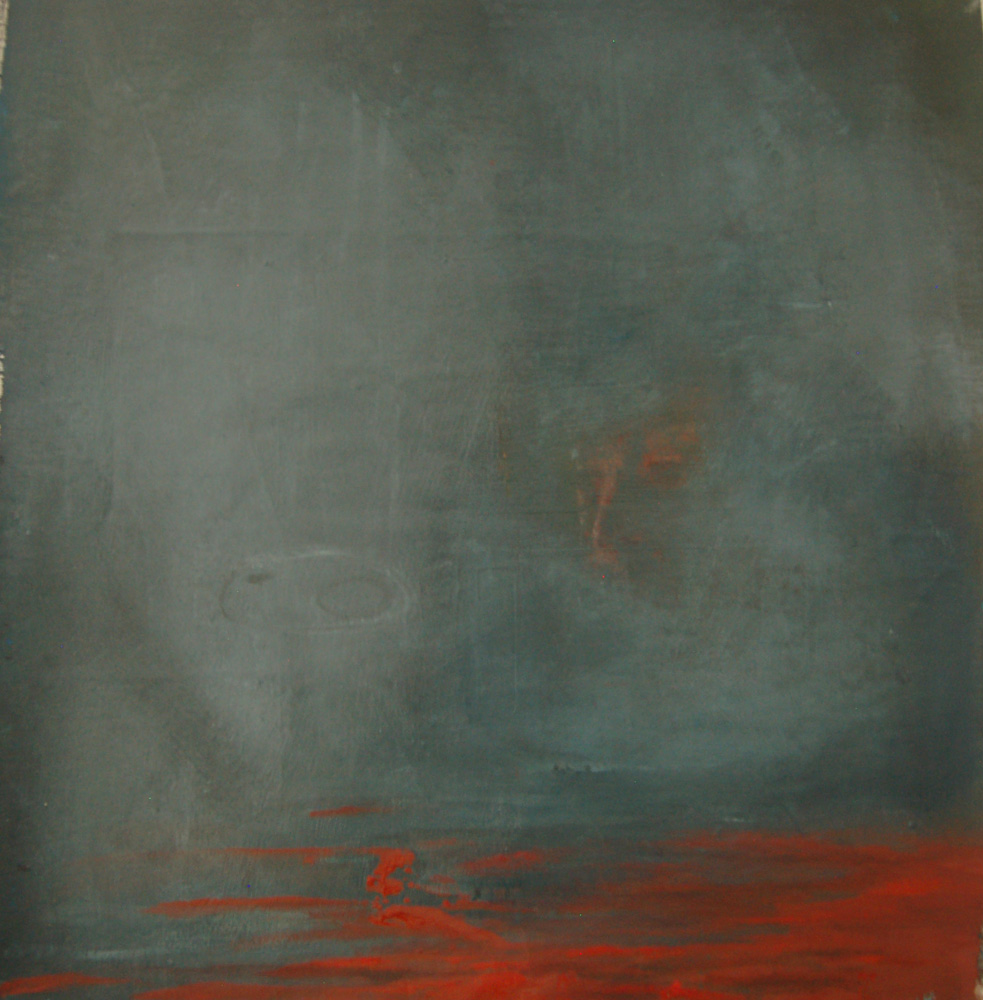
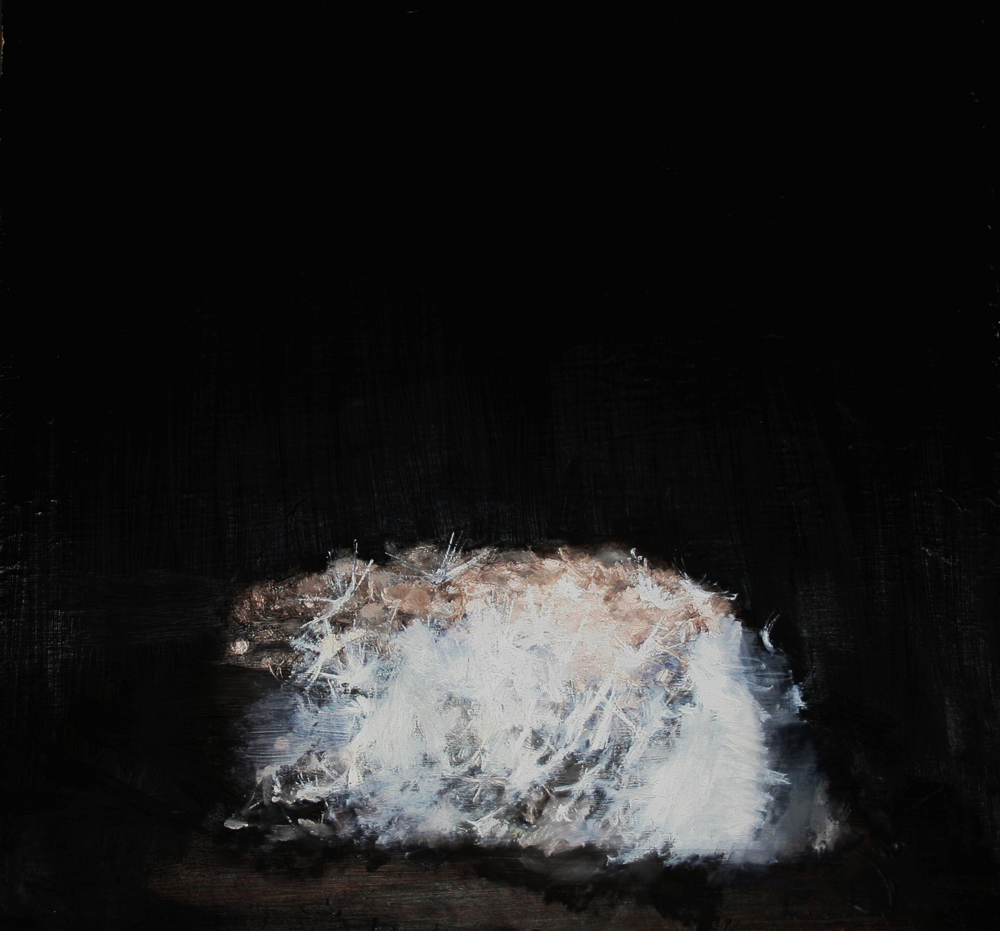
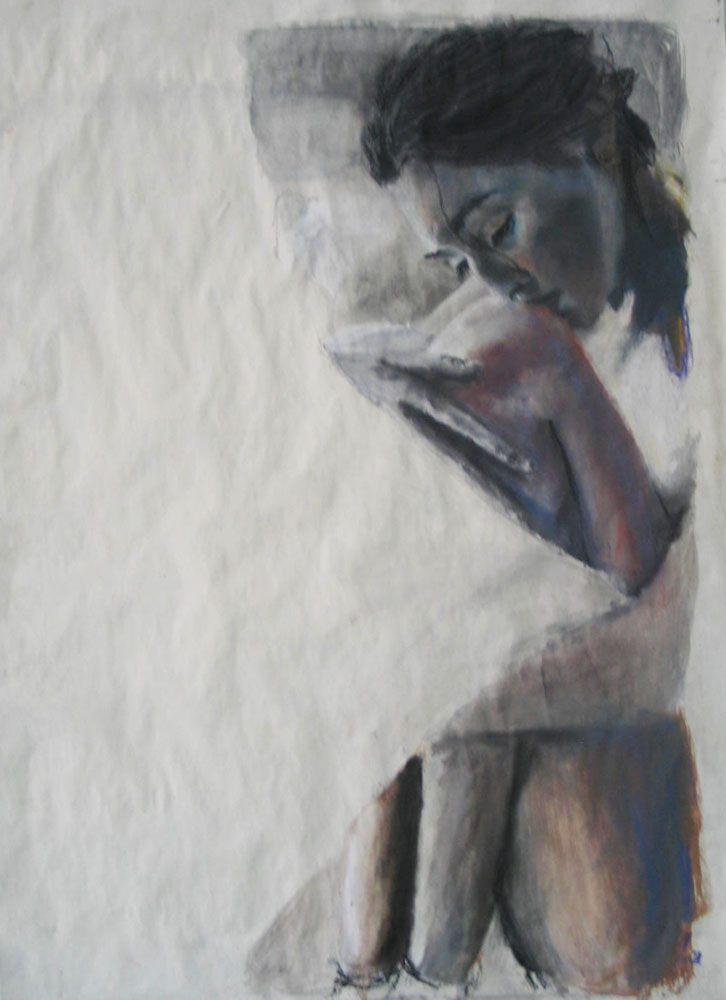
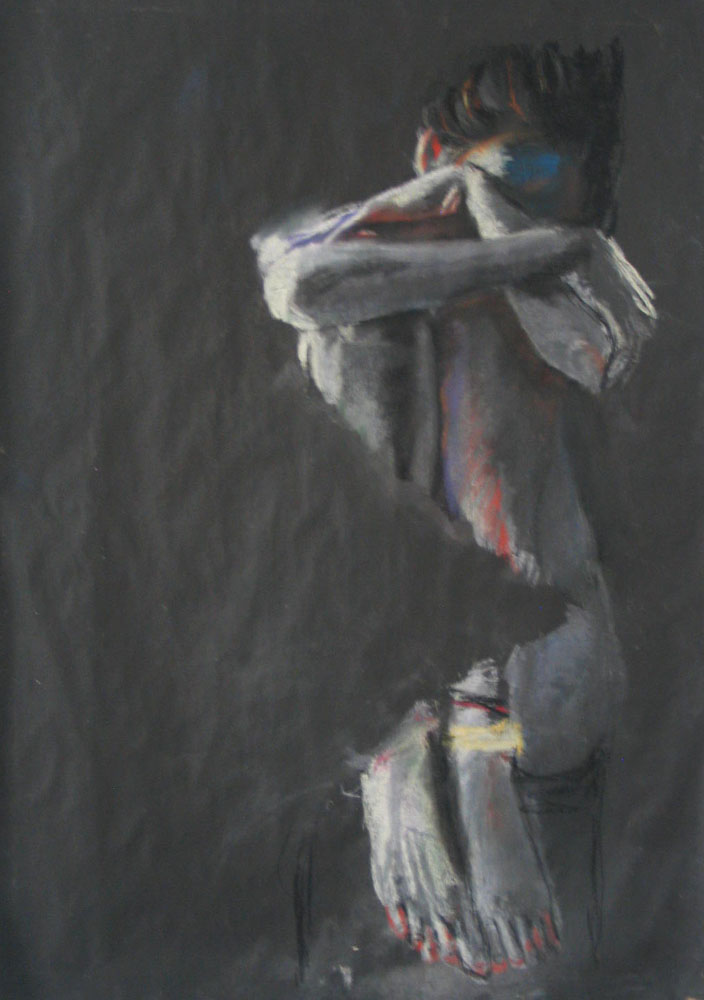
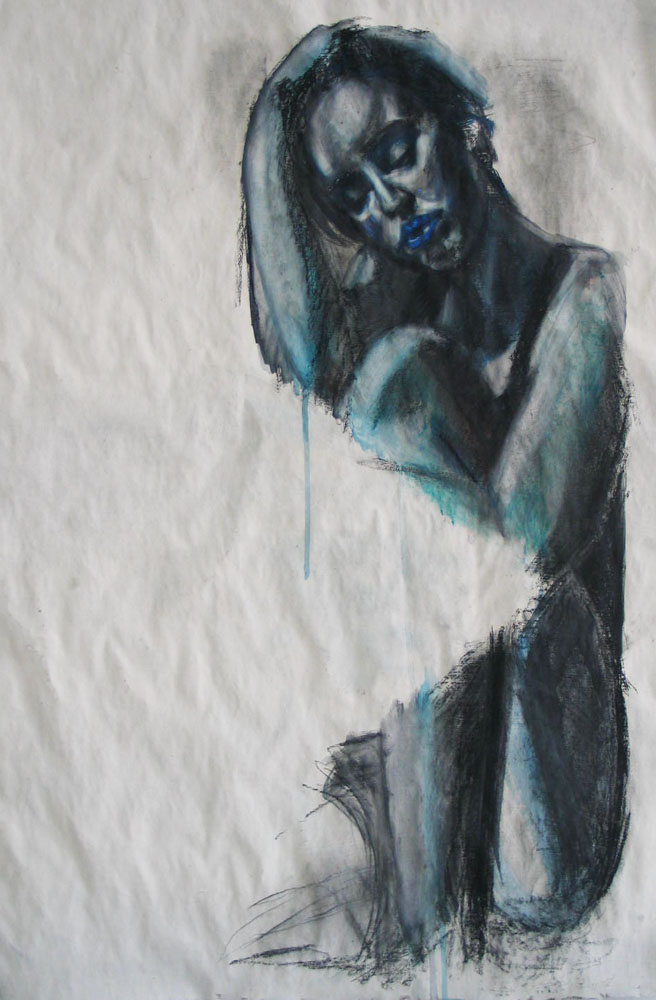
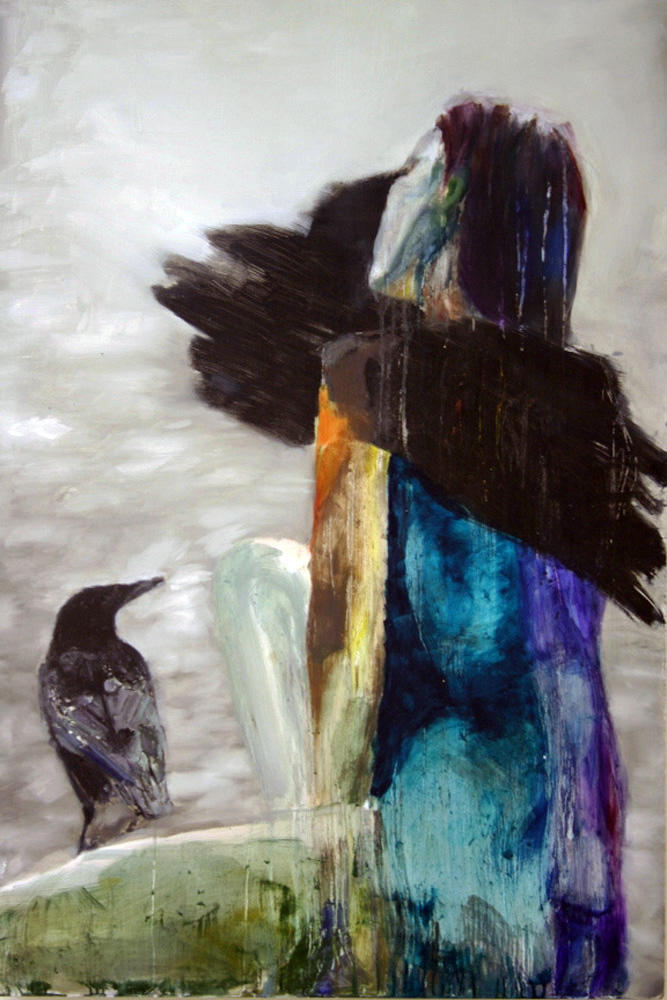
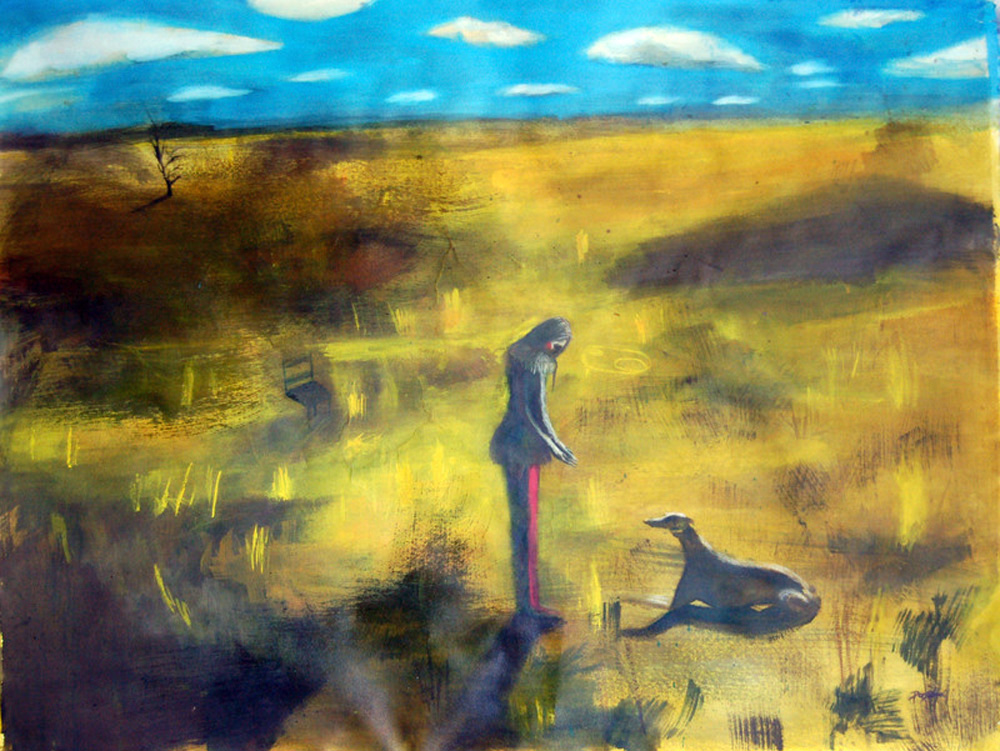
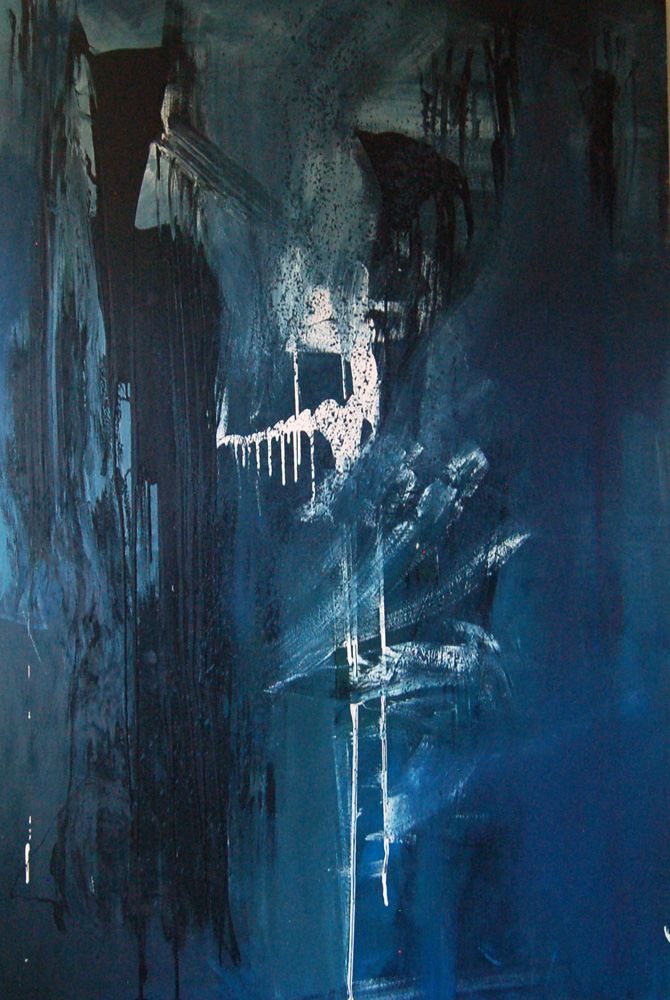
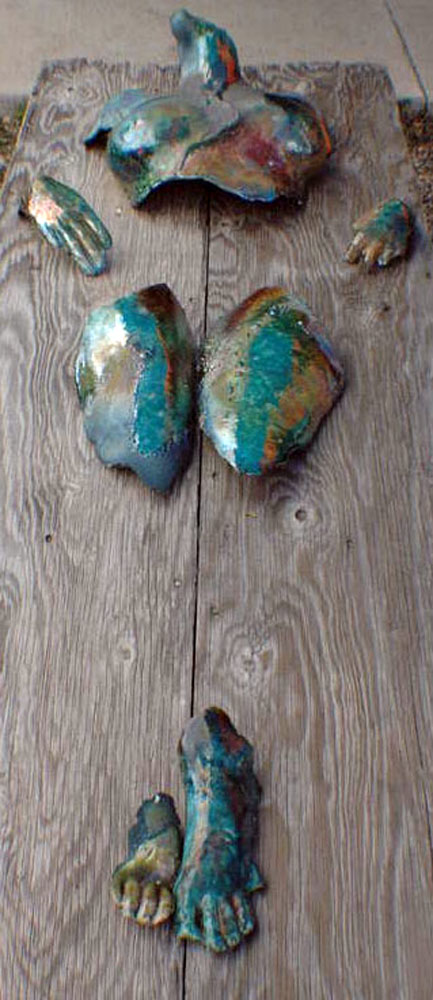
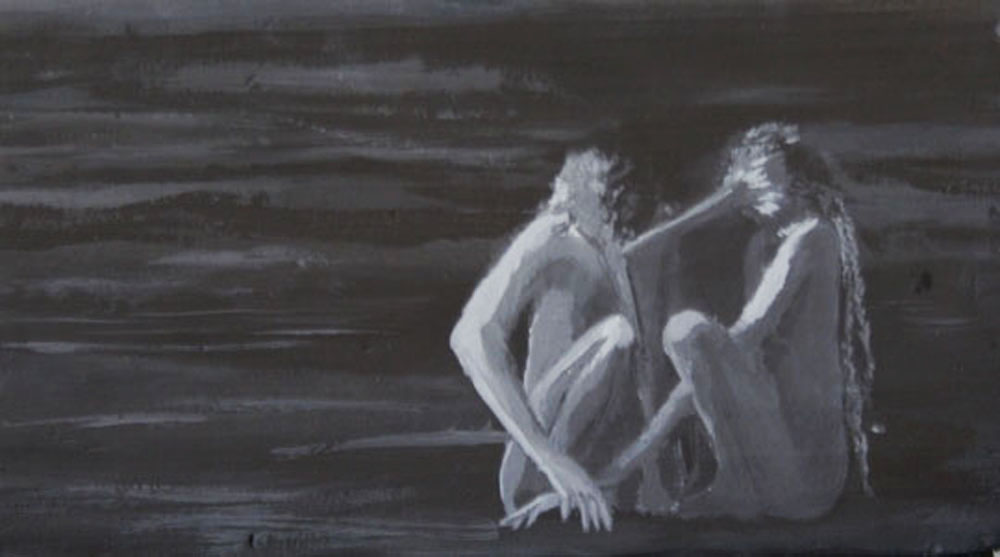
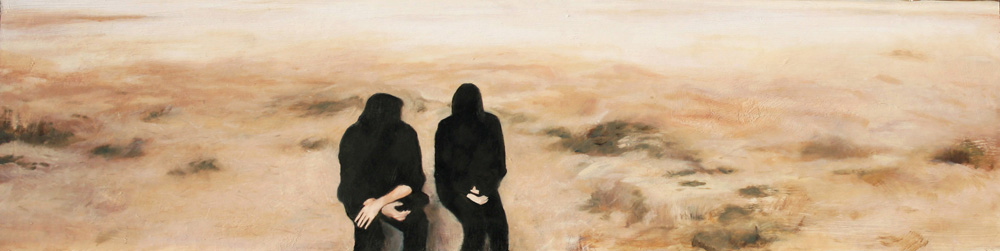
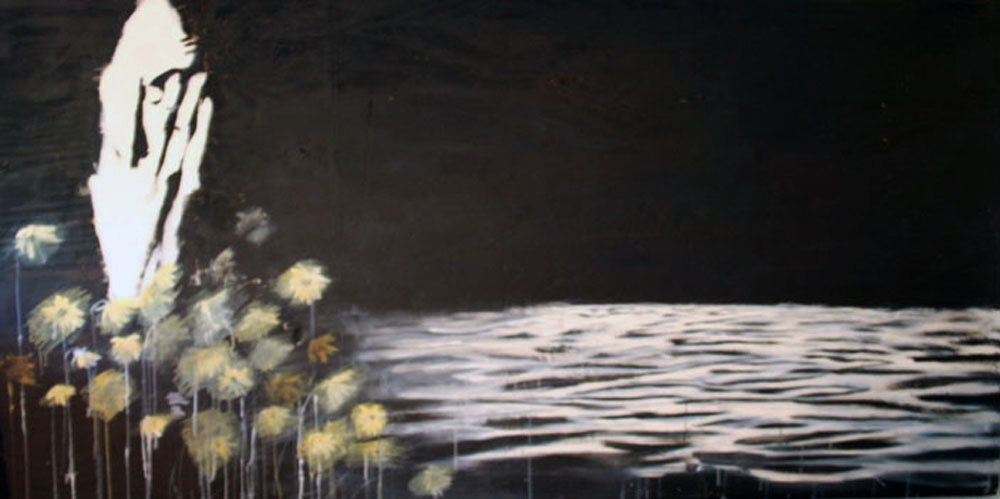
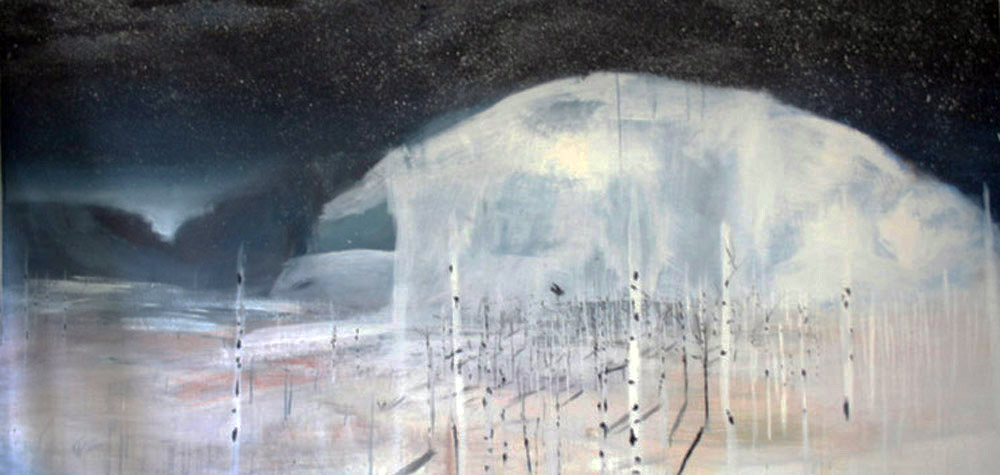
"With my art I feel compelled to work with the subject and experience of human relationships. I am very interested in the dynamics, depth, and necessity of interbeing and the experience it presents in various depths. Whether the actual piece is in essence a struggle, transition, or transcendence, I feel it is integral to the process of spirituality and important to experience and explore. Aesthetically, I am very interested in light, movement, and rhythm. To me they are signifiers of perception, consciousness, and spirit. Through these elements, I am able to identify a language of relational spacing, transition, and sensory experience. Each piece has been an opportunity to further explore and translate different levels of perception and understanding of experiences with one another. Making art is a practice of vulnerability for me in the sense that each work has come from the depths of my understanding and spiritual experience. With my work I hope to keep reaching new levels of vulnerability, perception, and experience. I hope for the viewer each piece can be an instance of becoming."
|
Porscha’ Danielle - Becoming the Other
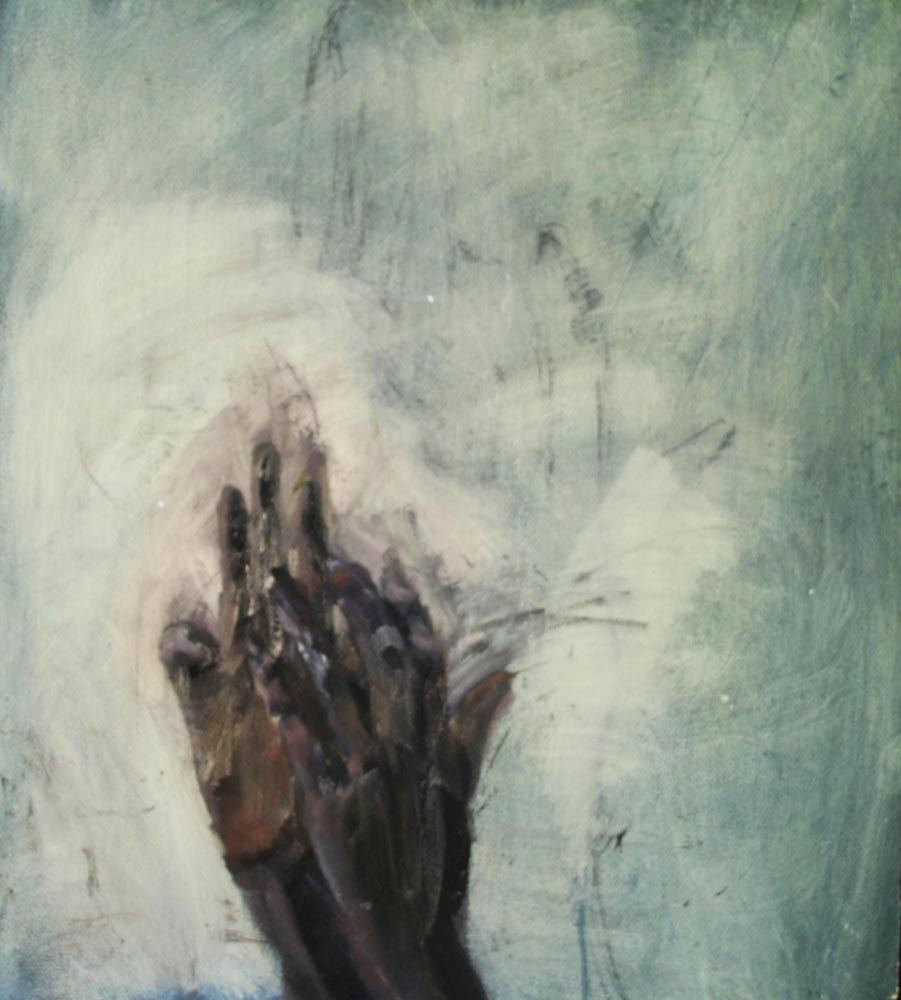
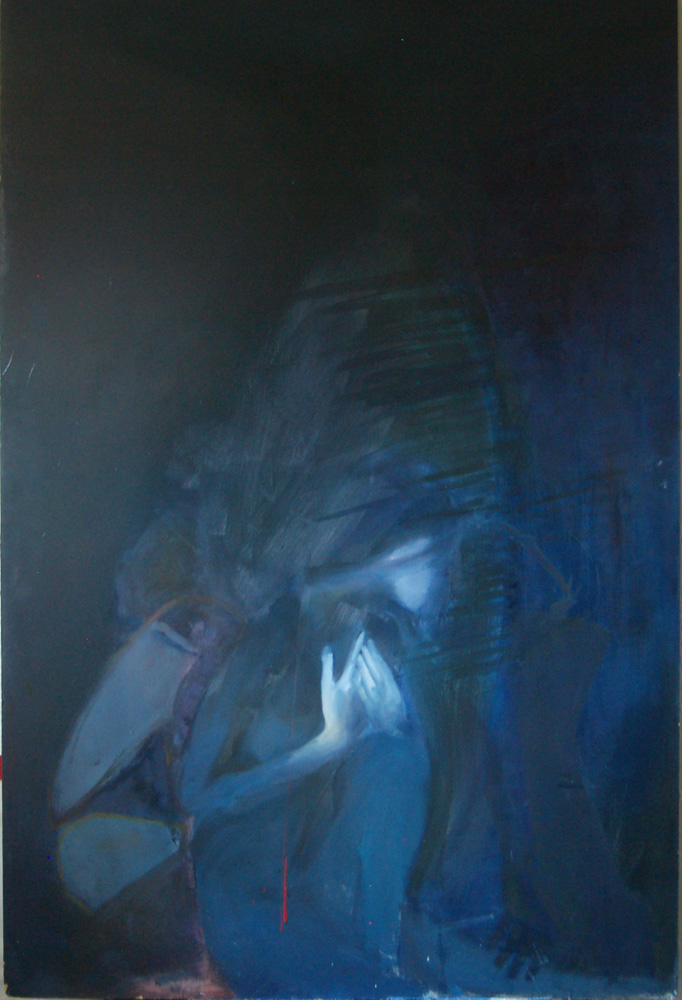
Porscha’ Danielle’s art explores the body—its mute intelligence, its vulnerability, its expressive dignity. The extraordinary after Grace and Grit is inspired by Ken Wilber’s classic book of that title. Forms in the painting are layered in depth and move from the more to the less concrete: the volumetric hands; the surrounding free-flowing marks (as if energetic resonances of the gesture); the still more diffuse white surround, repeating the shape of the hands; and the atmospheric background as thinnest of all. This organization is akin to the energy sheaths of our many bodies1: gross (the hands), subtle (free-flowing marks), very subtle (the white surround), and causal (the background). They together disclose the gestural act—luminous and transitory—as an integrated all-body occasion. Her art points us to the rich poignancy of human embodiment—the locus where words fall away, and where a more sensate wisdom can shine forth. Michael Schwartz |
||||||||||||||||||||||||