|
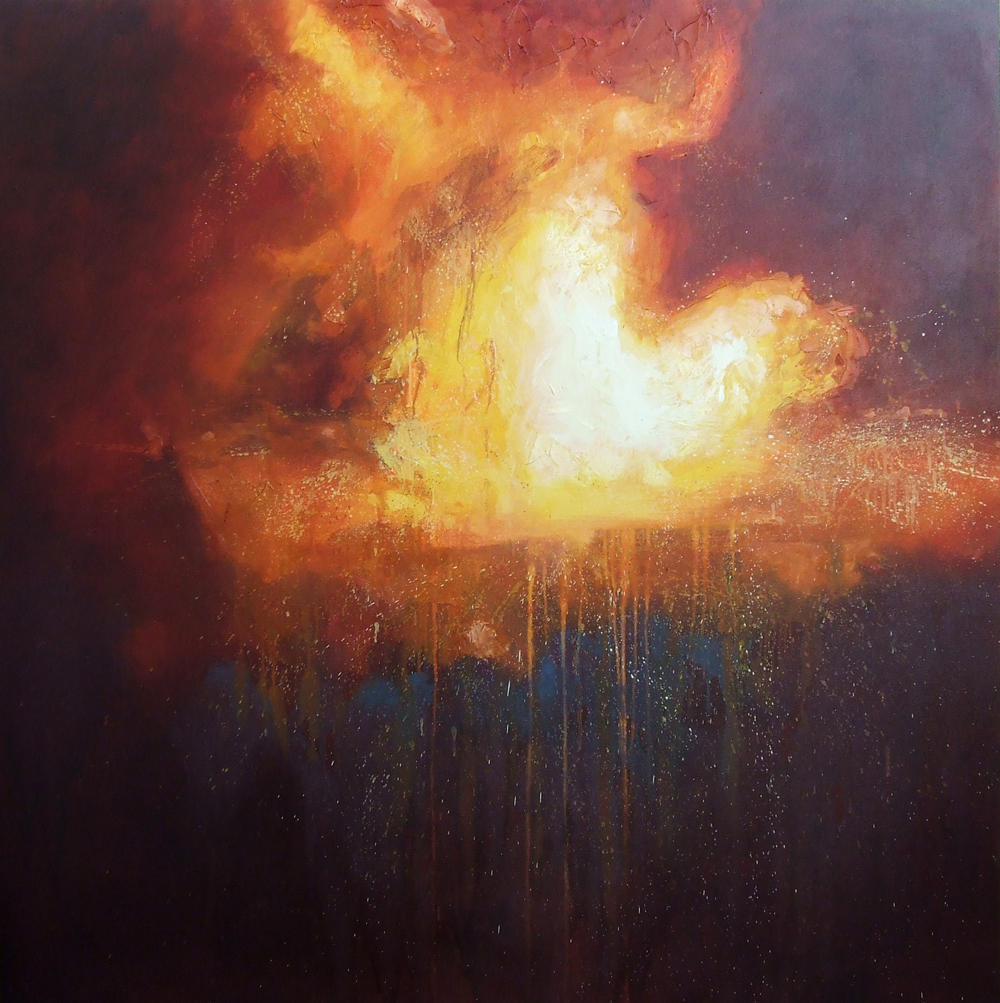
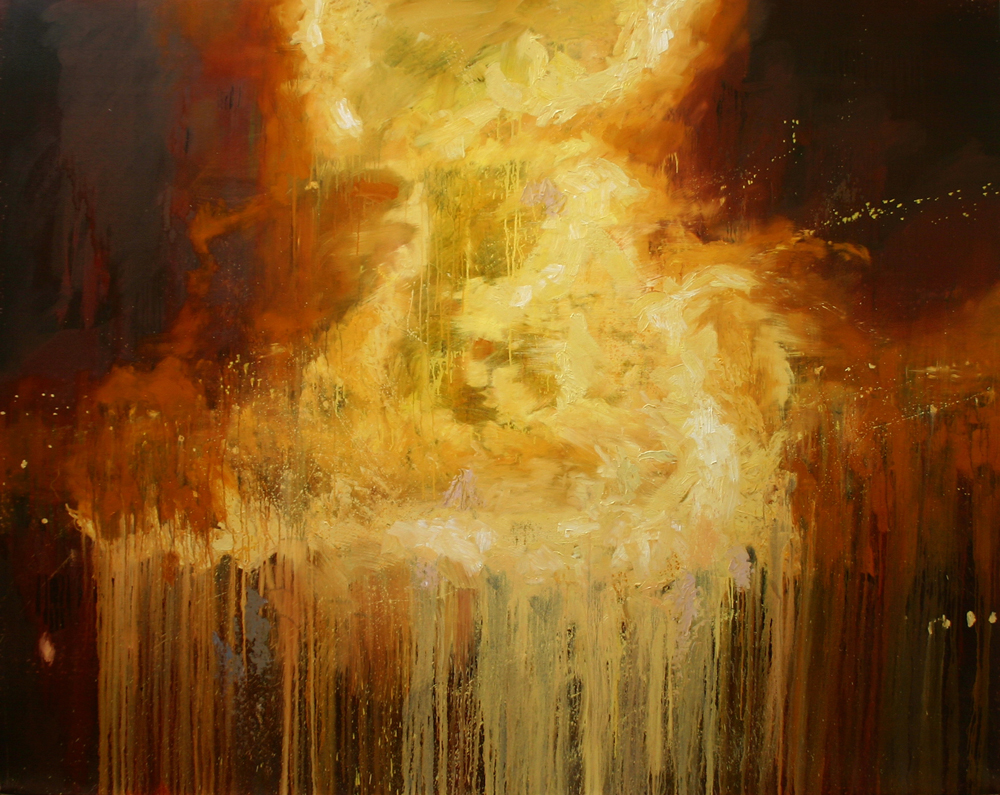
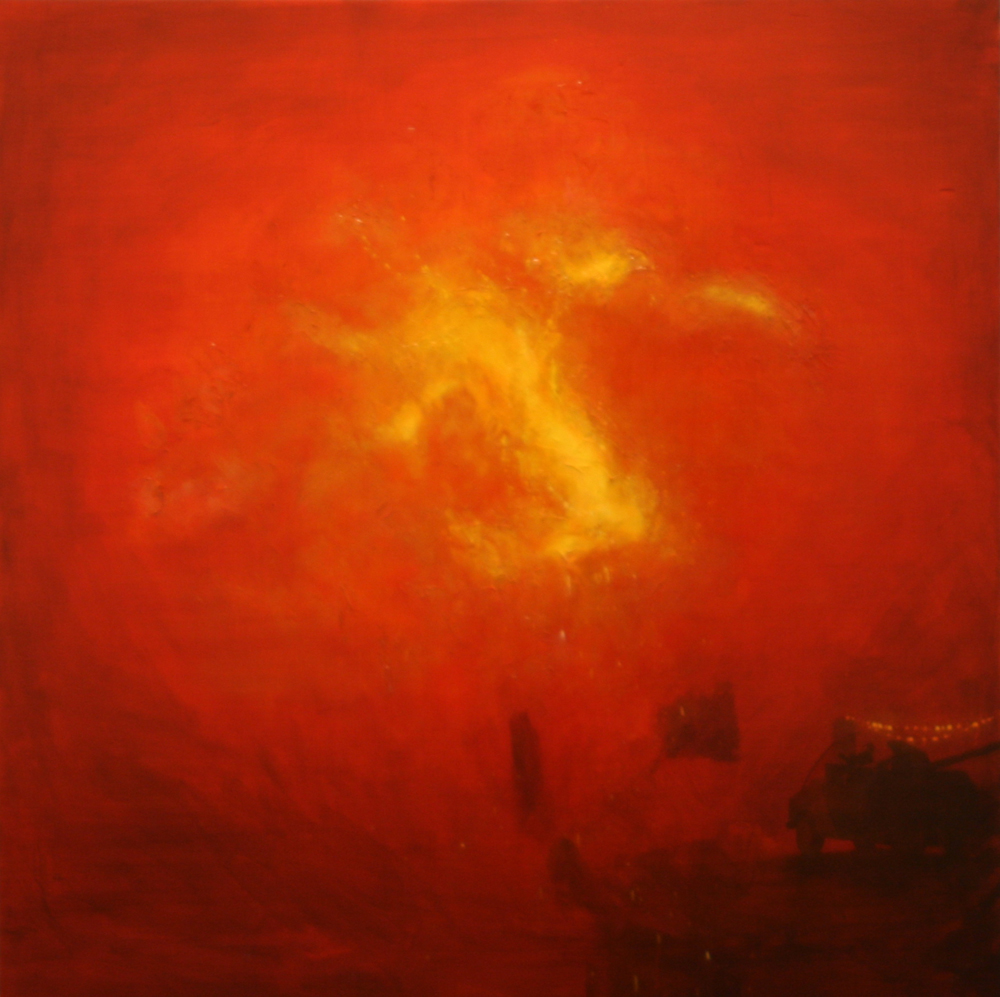
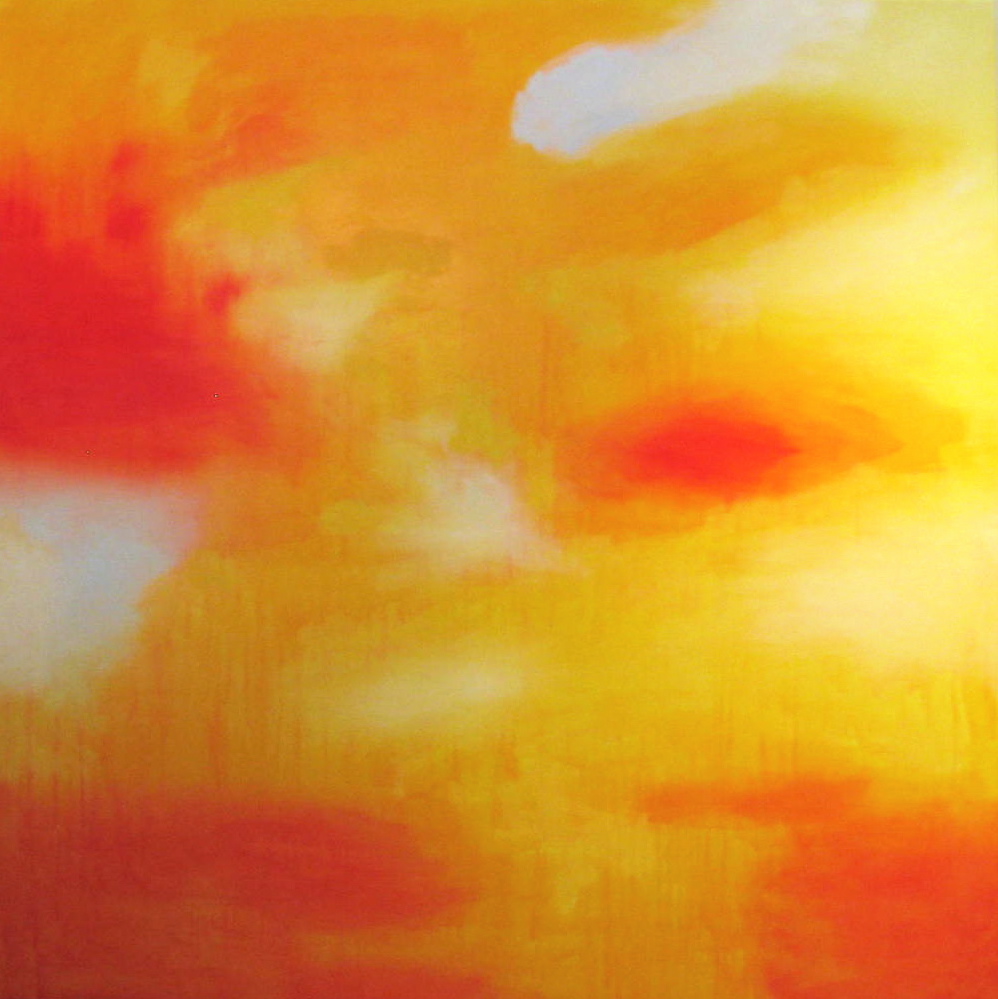
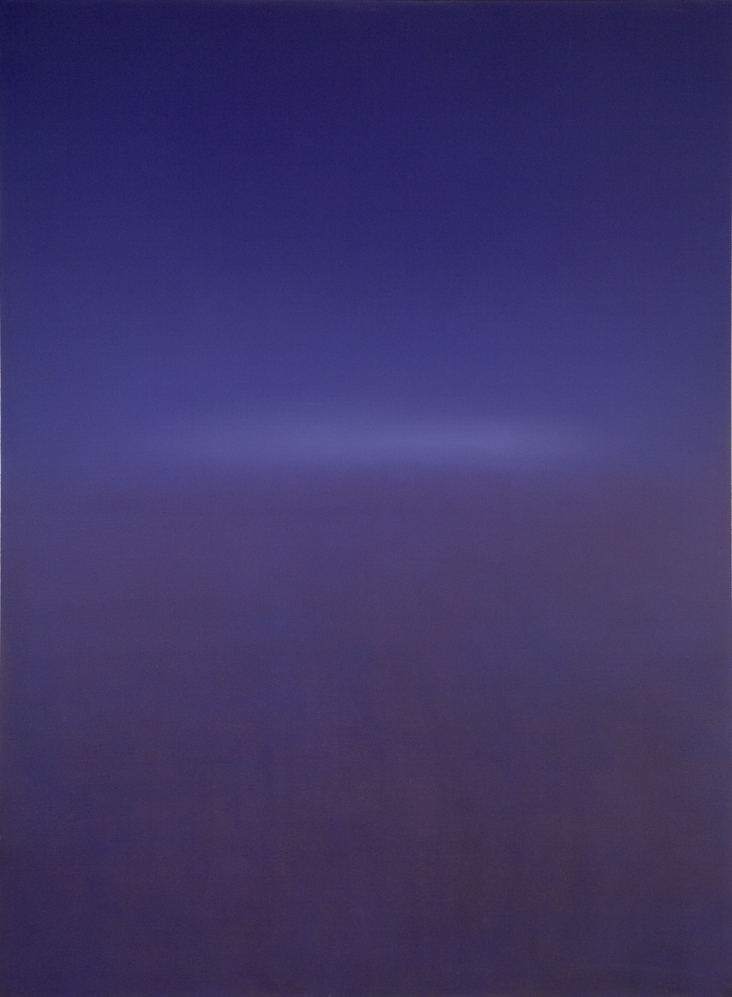
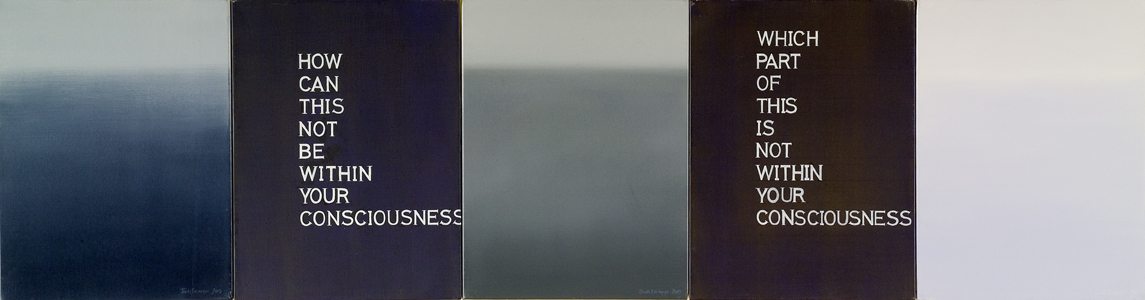
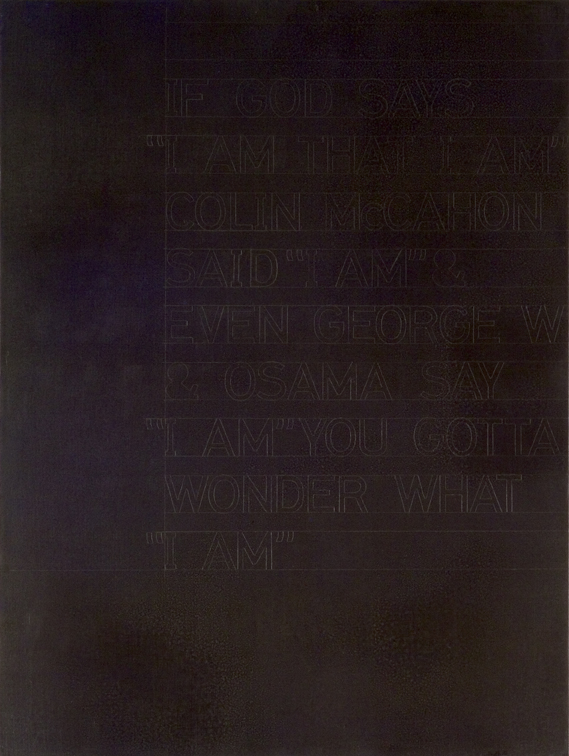
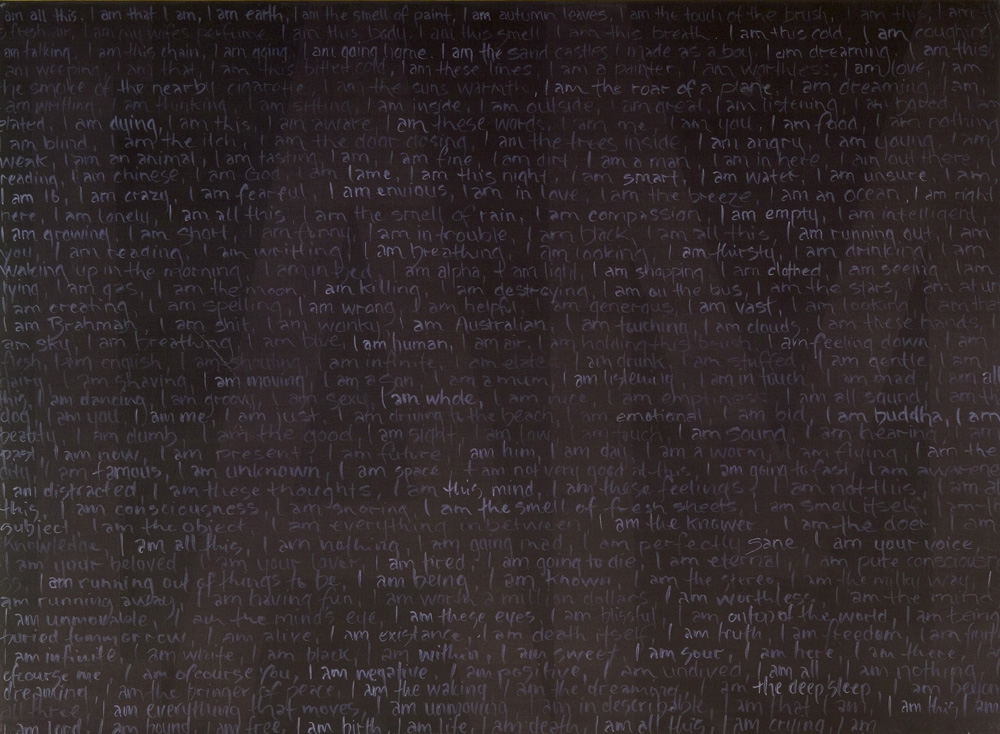
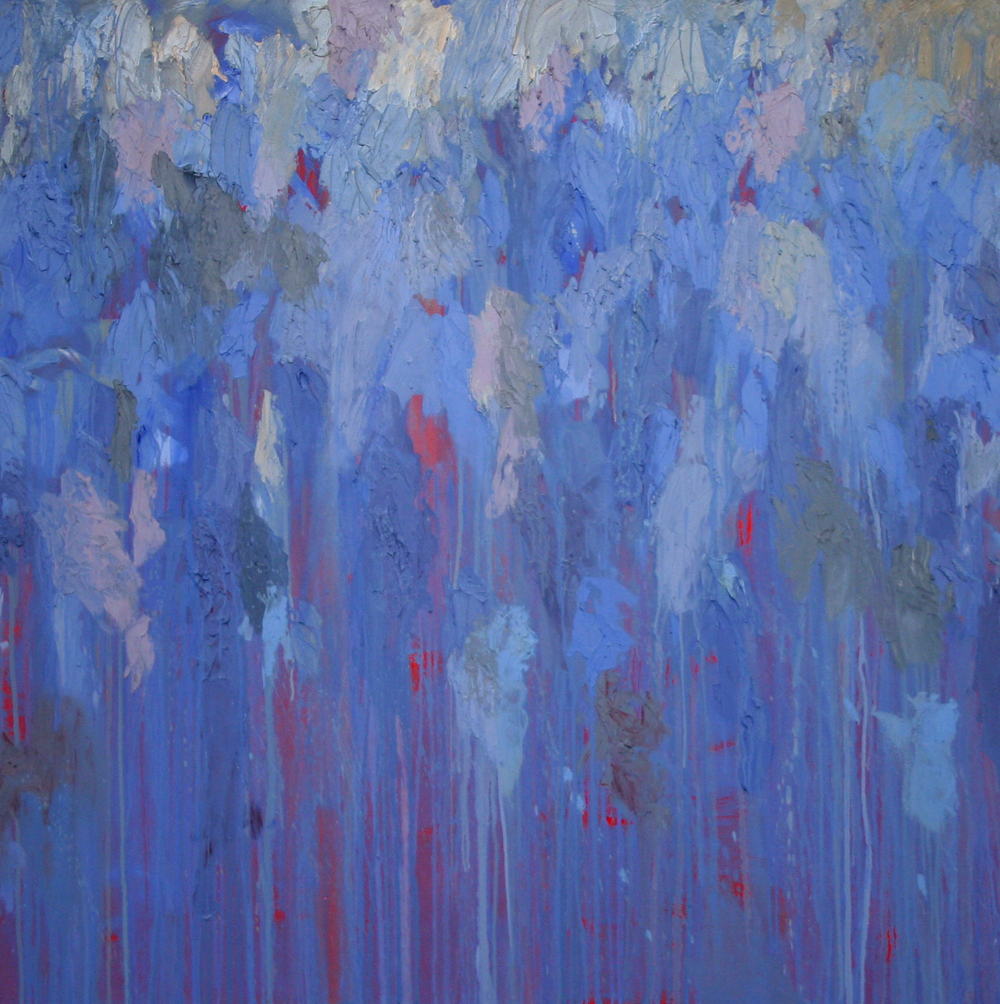
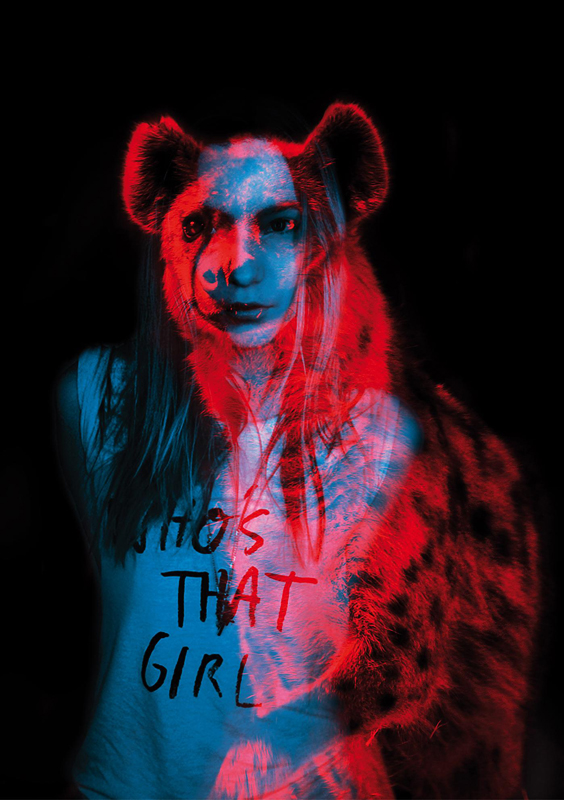
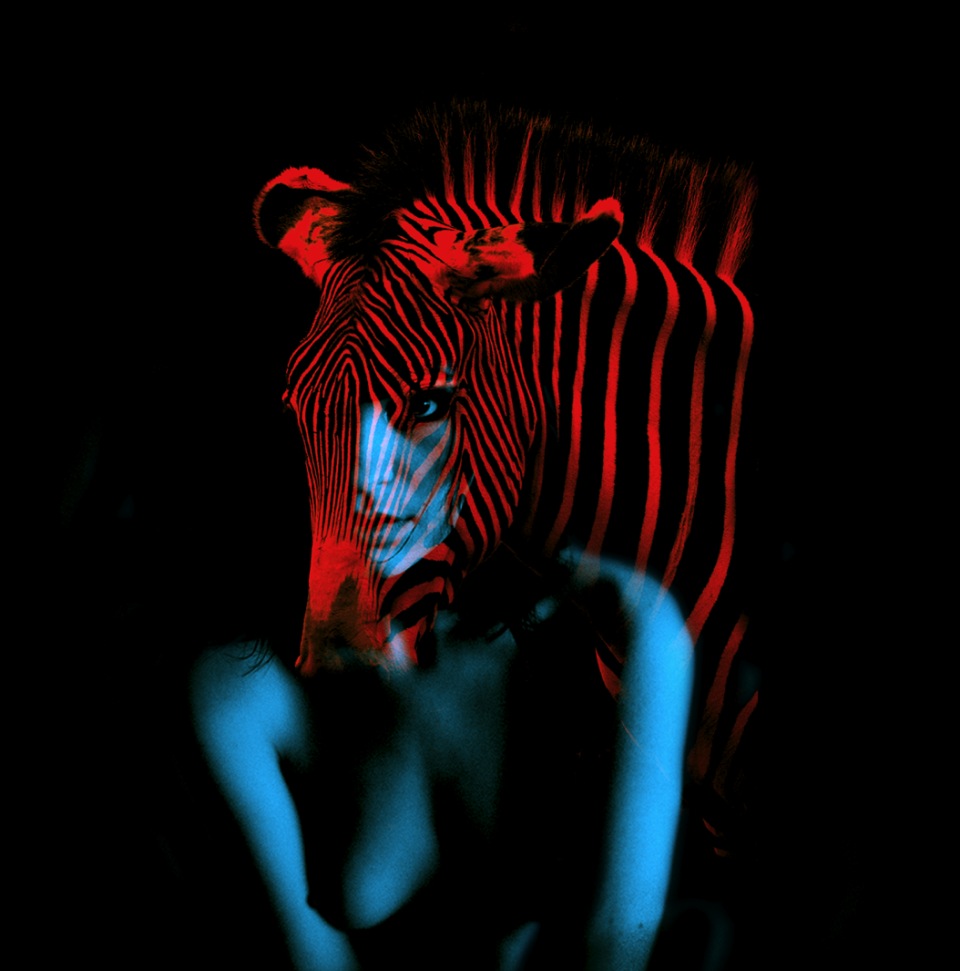
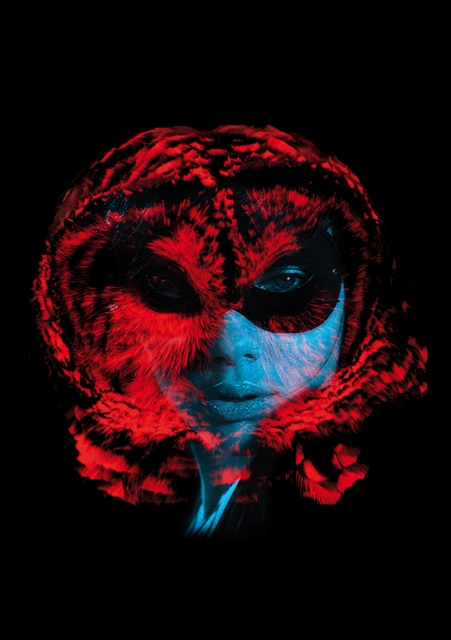
"My artistic practice aims at enquiring into the nature of consciousness, in particular the experience of non-dual consciousness, described by many of the world’s great philosophies and religions, such as Advaita Vedanta and Zen. They suggest that our consciousness and life itself is in essence a unified whole, peaceful, undivided and limitless, the substratum upon which all of life exists. Much of my work aims to reflect and explore this state of non-dual awareness and the expression of our Being within the awesome, beautiful and messy wonder of life. Some of my older work has looked at the formless aspects of consciousness and meditative experience; conveying a sense of limitless space and peace. Not as something separate from the viewer but as immanent within awareness. Qualities that are part and parcel of consciousness itself. More recent bodies of work such as “Sex, Bombs and Bliss” explored the themes of death, sex and transcendence, and “My Mind is the Sky, My Body is the Sea” looked at the interdependence of man and nature. In these I have tried to grapple with how the sublime, how beauty and sacredness, can be experienced and understood in the midst of experiences like death, war, sex and the awesome forces of nature? At the core of my creative practice I have always been drawn to the exploration and unfolding of consciousness, of our very Being-ness. This openness of Being, within which life’s many wonders take place, has always amazed me and I hope that my work inspire other’s own enquiry into the nature of awareness, so that then, as the Buddha said of Nirvana, we realise our own consciousness as; “infinite and shining everywhere.”"
|
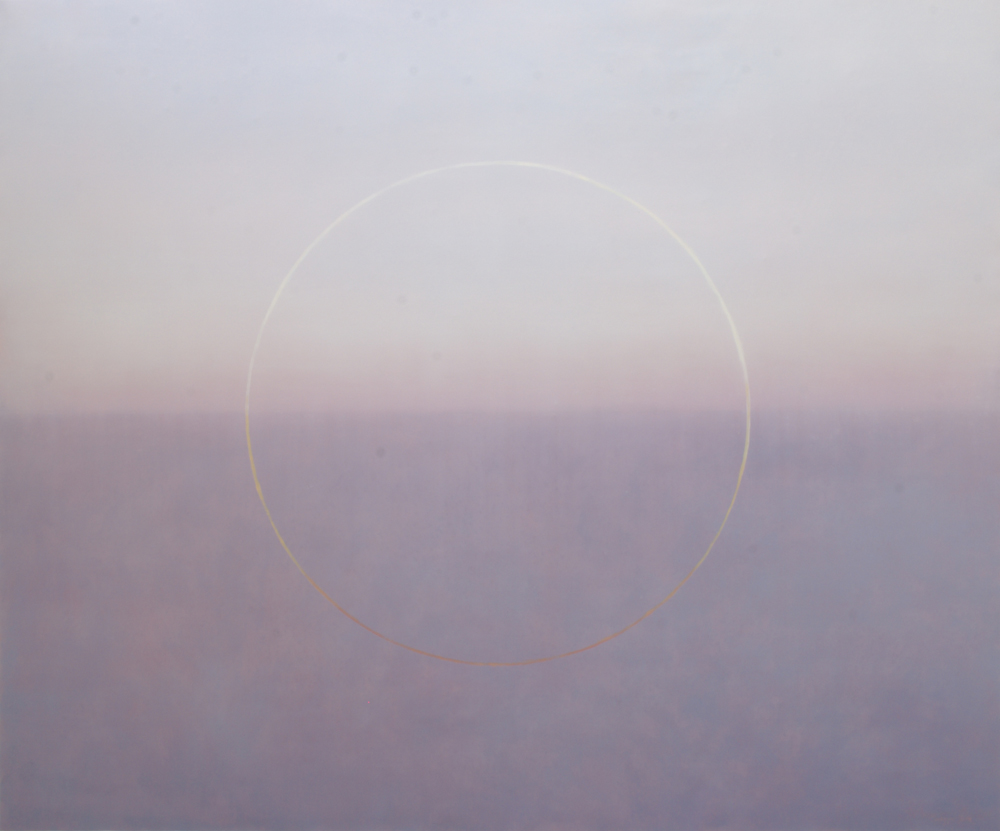
Jonah Cacioppe - I Am
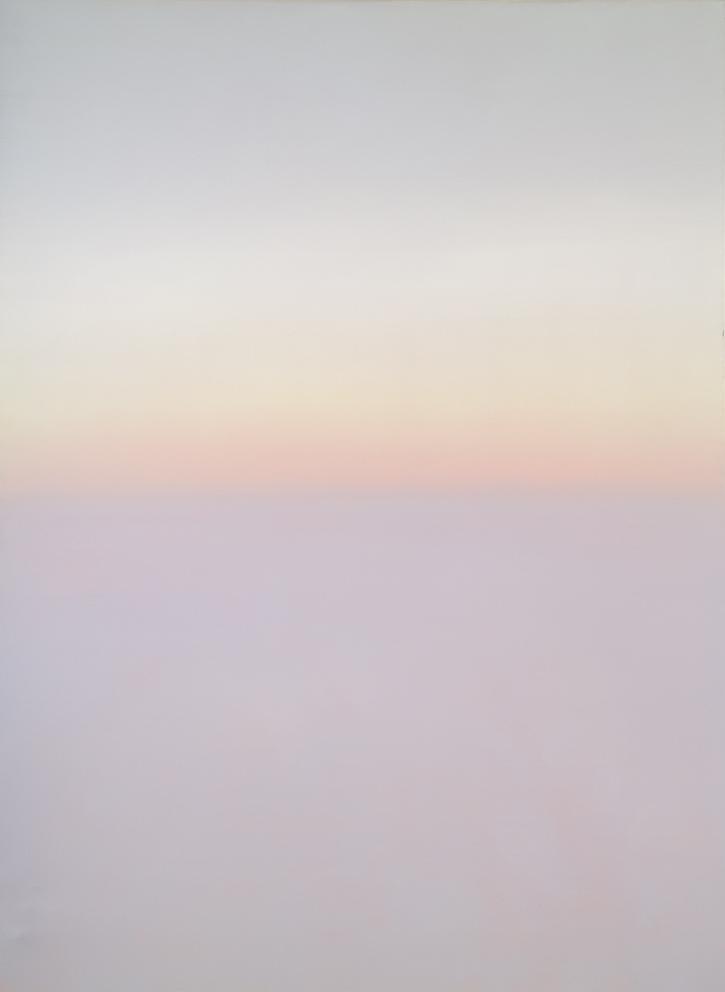
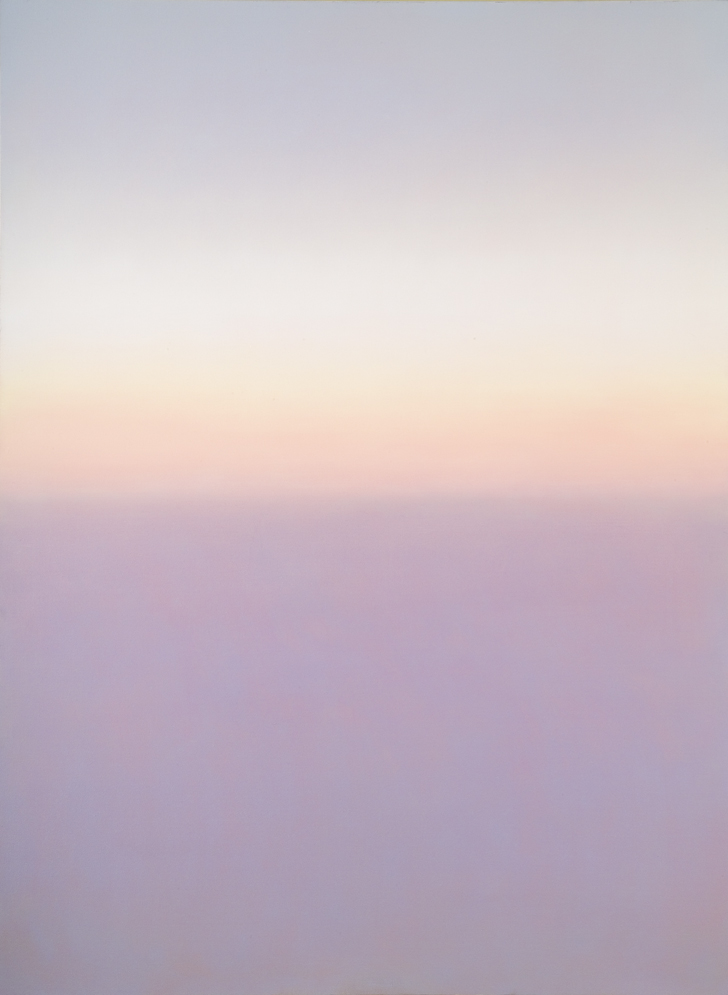
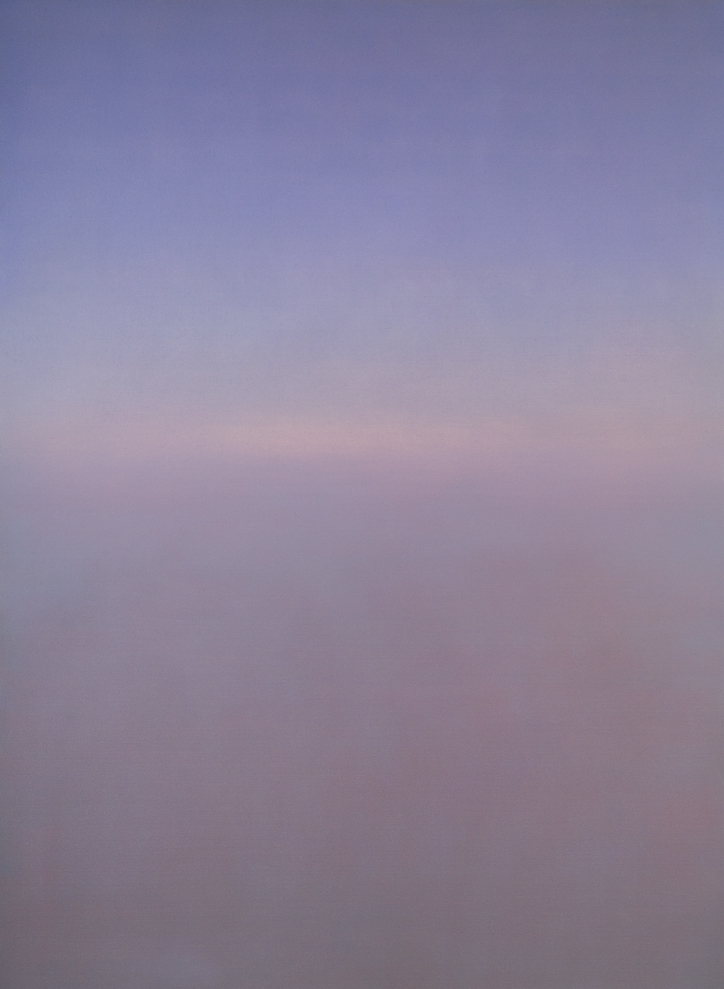
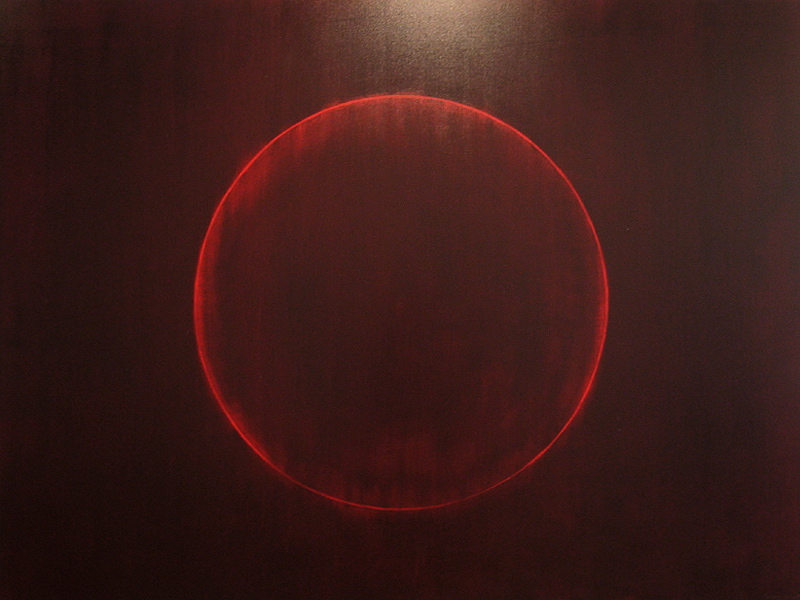
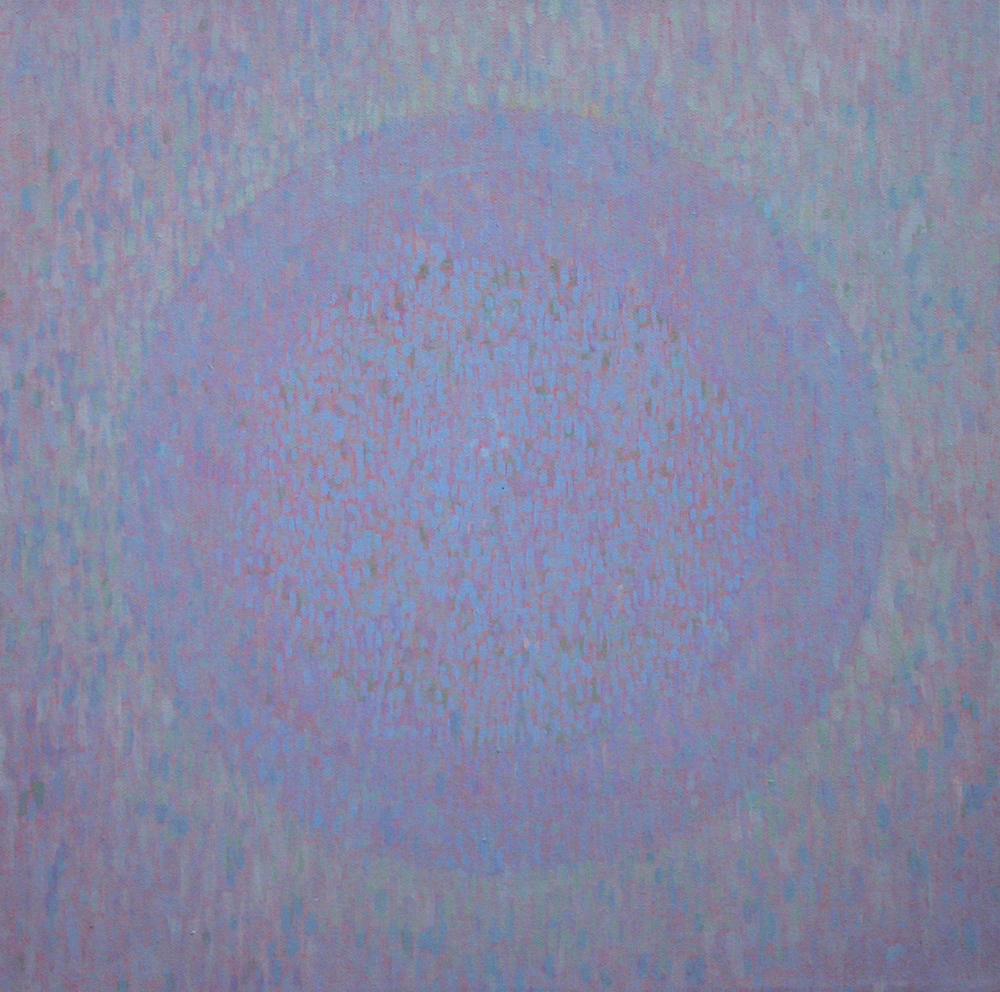
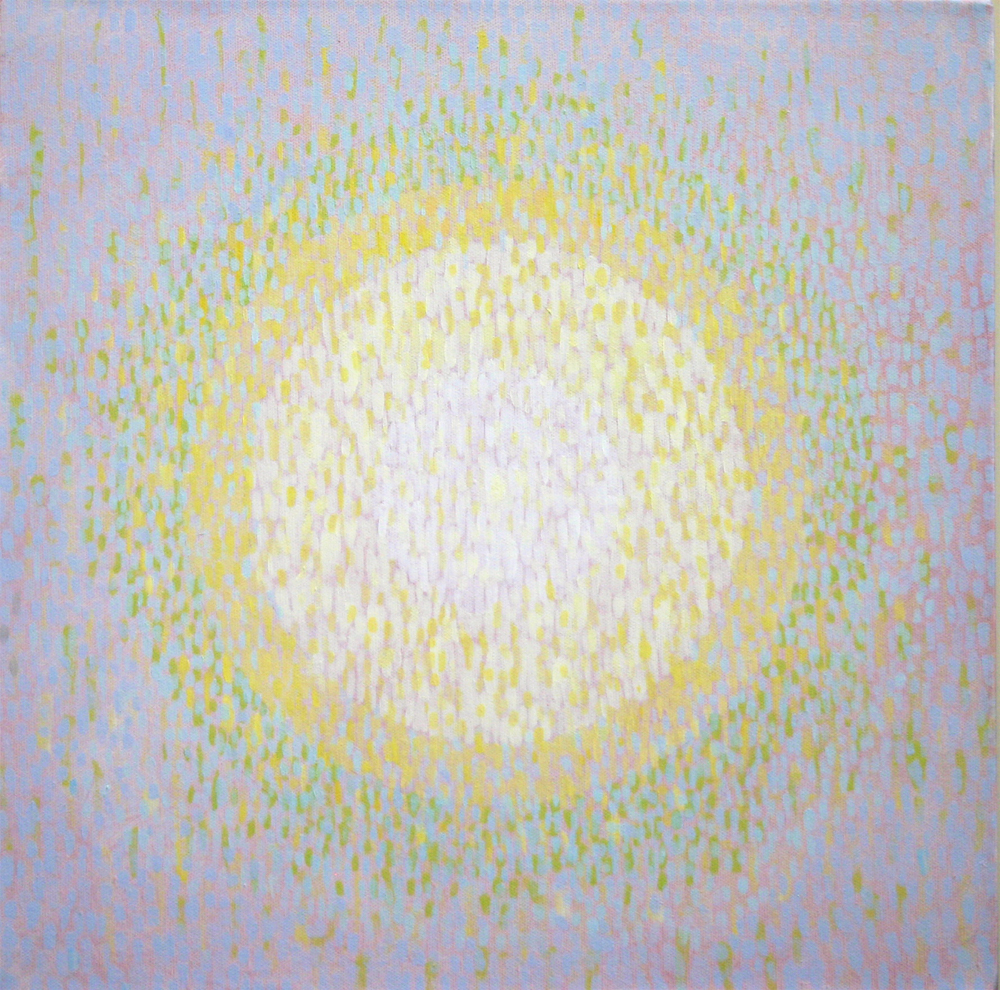
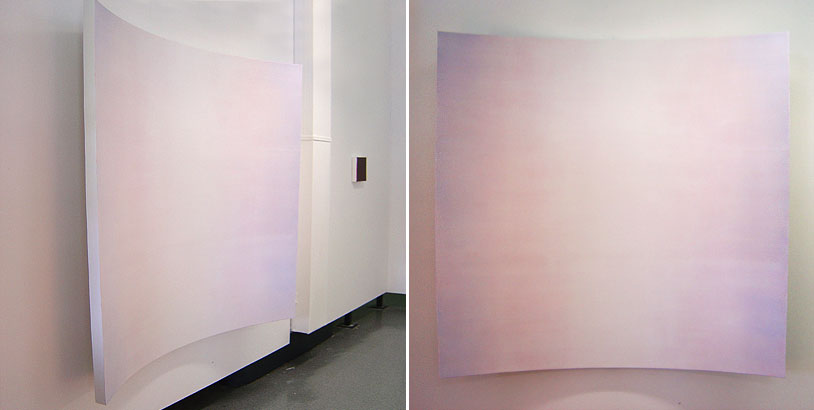
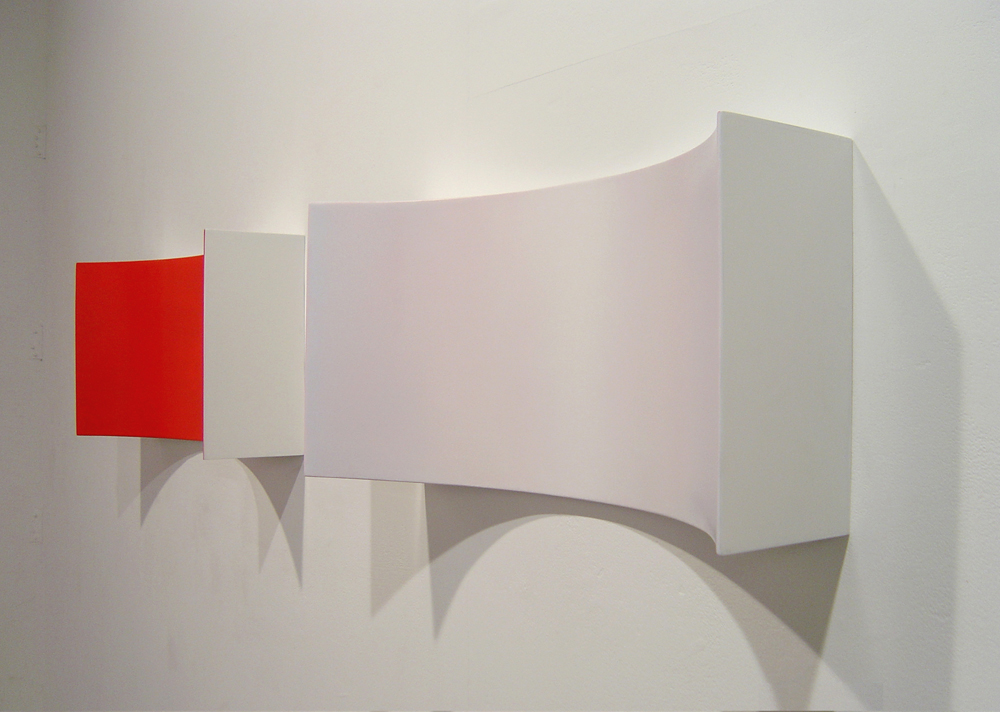
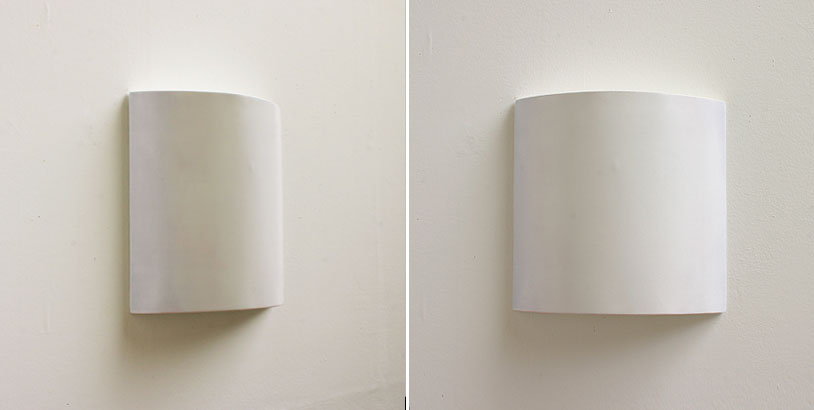
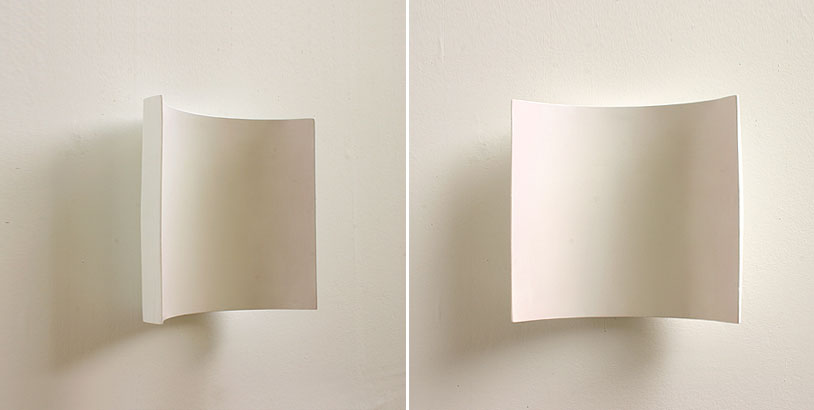
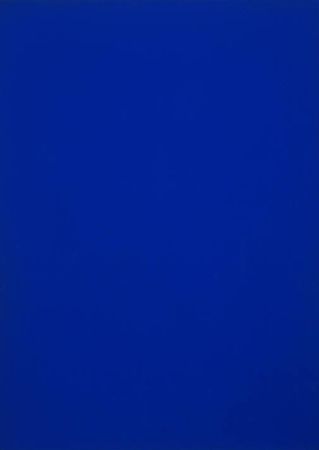
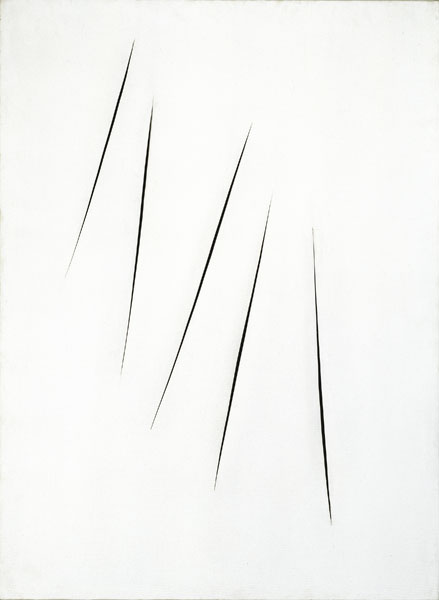
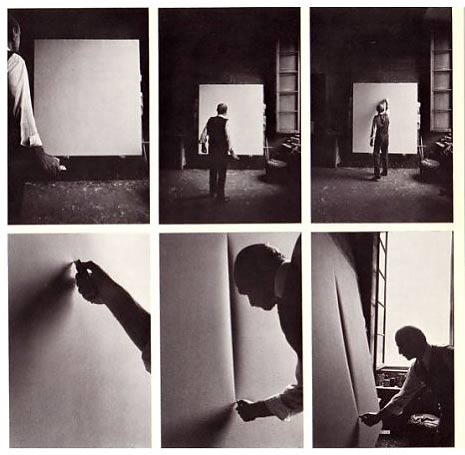
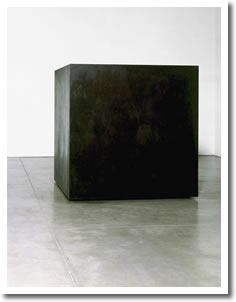
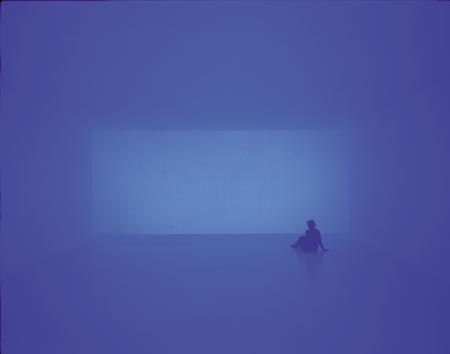
Modernist and postmodernist art have been at odds with one another. Proponents of one strain have tended to be allergic to the other. Certain forms of early postmodernism even developed as self-declared endings to modernist aspirations and approaches. One of the most telling instances was the case of the minimalists of the 1960s, who announced the exhaustion of leading edge modernist painting and moved to advance art by other means. Modernist abstract painters in the 1950s and early 1960s, exemplified by the likes of Yves Klein and Lucio Fontana, created monochromatic paintings with the specific intent of modeling causal states of emptiness. Klein saw his enterprise as presenting The Void as one’s Deepest Identity; and Fontana, in his last and most mature phase of work, went into deep meditative states prior to producing elegant cuts on monochrome canvases.i Looking at such works, a number of artists of the next generation saw not evocations of spirit, but painting approaching its end point as a mere thing—a flat physical canvas on the wall. Their response was to declare the end of painting and press forward this developmental logic by other means, creating an art of literal materiality: minimalism. With Tony Smith’s Die, a simple 6 by 6 by 6 foot steel cube painted black, there is little traditional artistic interest in the work onto itself—“what you see is what you see,” as Frank Stella said in a different context. But the boring artistic character of the cube is intended to press a beholder into a fuller array of perspective taking: to include in engagement with the cube awareness of one’s bodily movement in time, as this discloses the cube from different angles, and too discernment of the environmental context of the cube. The experience of art is to become one of the interrelationships among (1) the artifact-object, (2) one’s own bodily motility and position, and (3) the environmental conditions; as all three perspectives interplay in unfolding time. The minimalist aesthetic is not the temporal transcendence of the monochrome, but the pure immanence of becoming, here and now.ii Remarkable to a degree difficult to overstate, Jonah Cacioppe, in his There is this consciousness series, unites both approaches into a higher order artistic expression—an achievement in the domain of art that integrates advanced modernism and postmodernism at the leading edge. The works in this series are at once curved monochromatic pictorial fields; and at the same time literal objects on the wall casting shadows and shifting in their object-profiles in relation to a viewer’s movement—a brilliant and graceful integration then of the modernist monochrome and minimalist literal object. The effect is to integrate the causal emptiness provoked by the monochrome with reflexive awareness of embodiment proper to the minimalist work—the timelessness of consciousness not other than one’s embodied being in the room: transcendence and immanence, timeless and time, right here, right now: always already.iii Cacioppe’s series models and provokes recognition of transcendental consciousness while embracing incarnation. His series is a singular artistic expression of an evolving spirituality proper to a maturing integral age. Michael Schwartz i On Yves Klein from an integral viewpoint, see Michael Schwartz, “Frames of AQAL, Critical Integral Theory, and the Emerging Integral Arts,” in Integral Theory in Action, ed., Sean Esbjörn-Hargens, SUNY Press, 2010, Chapter 9, concluding section. ii The classic critical essay, written during the originary moment of intense tension and struggle between artists and apologists of modernism and minimalism, is Michael Fried’s “Art and Objecthood” (1967), now widely anthologized. iii What Integral Spiritual Experience teacher Saniel Bonder calls the Core Paradox of divinely human incarnation: one’s living the real paradox of being at once limited and limitless. Cacioppe has been inspired by an artist of the minimalist generation, James Turrrell , who while using some of the advances of minimalism (as with the expansion of the artwork into the display environment), continued the romantic-modernist project of transcendentalism. Turrell’s luminous colored projections in exhibition halls bring the transcendental into lived space, sliding in its beautiful optical effects towards the emptiness side of the non-dual in a way that Cacioppe’s series does not, the latter achieving a more integral and balanced expression and evocation of the transcendental cum immanence of bodily being.
|
||||||||||||||||||||||||||||||||||