
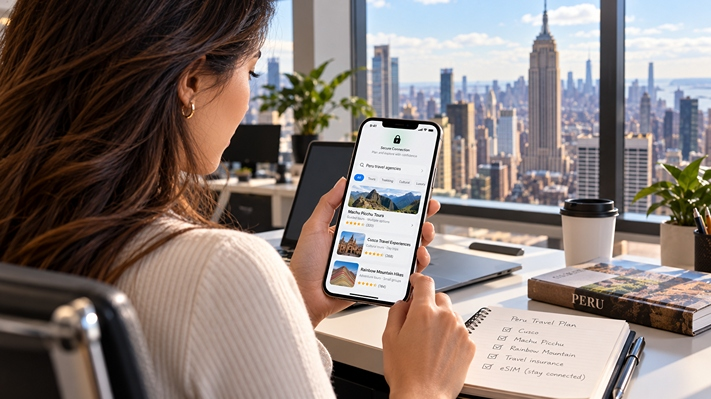
The plane lands in an unfamiliar city. Before leaving the airport, you need a map, a message from your driver, a banking app. An eSIM can bring all three online without the hunt for a local SIM card. Yet the convenience hides an important distinction: having mobile data does not mean every digital interaction is safe.
As travelers, remote workers and international students increasingly rely on embedded SIM technology, criminals are targeting the accounts, messages and decisions surrounding those connections. The greatest danger is not someone breaking mobile encryption. It is a convincing message that persuades an otherwise careful person to surrender a password, verification code or payment details.
What the Technology Actually Secures
An eSIM is a downloadable mobile subscription stored in a protected component of a compatible phone. Unlike a removable card, it can be installed and managed digitally. The industry's GSMA standards specify mechanisms for authenticating providers and protecting remote profile delivery, including certificates and encrypted communications.
This architecture offers meaningful safeguards. Someone who steals your handset cannot simply remove the eSIM and insert it into another device. However, the technology does not automatically protect your email inbox, banking application or browsing history. Malware, deceptive websites and weak passwords remain dangerous regardless of how your subscription was installed.
Phishing Follows the Traveler
Consider an email claiming that your international data package will expire in thirty minutes. It includes a familiar logo and asks you to confirm your credit card. Another message offers a refund for a failed activation.
Fraudsters regularly exploit urgency and uncertainty, especially when people are navigating a new country or cannot easily reach customer support. They may impersonate eSIM companies, airlines, hotels or transportation operators.
Before responding, open the provider's application or type its official address independently. Do not use a link supplied in a suspicious message. Never disclose login passwords or one-time security codes to an unexpected caller, even one claiming to be from technical support.
Why SIM Swapping Still Matters
An eSIM removes the plastic card, not the risk of fraudulent number transfers. In a SIM-swapping attack, someone persuades a mobile carrier to move a victim's phone number onto a subscription controlled by the attacker. The victim may abruptly lose service while calls and text messages reach the criminal.
This creates an opening for account takeovers when banks or online platforms send verification codes by SMS. United States consumer authorities advise subscribers to protect carrier accounts with a dedicated PIN or password and to investigate unexpected service interruptions.
For important accounts, use passkeys, authenticator applications or hardware security keys when supported. These are generally more resistant to phone-number hijacking than text messages. A travel data plan that does not include a phone number is different from the home mobile account that may still receive banking codes; protect both appropriately.
The QR Code Trap
Many legitimate eSIMs arrive with a QR code for activation. Criminals know this and can imitate delivery emails or create fake pages displaying convincing installation instructions. The United States Federal Trade Commission has warned that malicious QR codes may lead to websites designed to harvest passwords and financial details.
Purchase through established channels, verify the sender and review any website before entering information. Treat activation codes as private. A screenshot posted publicly or forwarded carelessly could expose account details or installation credentials. If something looks wrong, contact support using information obtained independently, not the suspicious message itself.
Privacy Is a Separate Question
Mobile connectivity generates information. Depending on the provider and operating arrangements, companies involved in delivering an eSIM service may handle subscriber identifiers, connection records and location-related network data. Some international plans route traffic through infrastructure outside the country being visited, which can affect how websites identify your location.
An eSIM is not an anonymity tool. Websites may still use tracking technologies, and applications may collect information through permissions and logged-in accounts. Review privacy policies, disable unnecessary location access and prefer encrypted messaging for sensitive conversations. A reputable VPN can help in certain situations, particularly on unfamiliar Wi-Fi, but it cannot prevent scams or make reckless downloads safe.
Choosing a Provider Without Guesswork
Look for a company that explains which networks it uses, where coverage is available, when a package begins and whether it includes calls, texts or only data. Clear refund terms and reachable customer service matter when something fails abroad.
Check device compatibility before paying. Examine the provider's privacy practices and avoid services demanding unnecessary identification documents or excessive application permissions. Official websites and established app stores are better starting points than unsolicited advertisements or direct messages.
Remember that nationwide coverage claims rarely guarantee service along isolated mountain roads.
A Short Security Routine Before Departure
Update your phone's operating system and essential applications. Enable a strong screen lock, biometric protection and device-finding features. Use unique passwords for email, banking and mobile accounts, ideally stored in a reputable password manager. Set up stronger multifactor authentication wherever possible.
Keep recovery codes somewhere accessible if your phone is lost, but not in an unlocked note on the same device. Save hotel addresses, reservations, insurance details and emergency contacts offline. Download local maps before setting out.
If your phone supports multiple subscriptions, you may keep your home number active while using a travel eSIM for data. Check the default line for calls and messages and examine roaming settings carefully; keeping the original line enabled may still create charges. Test your plan before depending on it for an important pickup.
Staying Safe on the Ground in Latin America
Imagine arriving in Cusco with an early departure planned. Your eSIM helps you receive driver updates, verify pickup instructions and share your arrival with someone at home. Those conveniences are valuable, but none proves that a person claiming to be your driver is legitimate.
A traveler booking a Rainbow Mountain full day outing should save departure details and the tour operator's verified contact before departure. High-altitude terrain can interrupt mobile coverage even when a plan works perfectly downtown.
The same preparation matters for Fast travel to Machu Picchu in 2 days, where trains, transfers and timed arrangements make accessible confirmations particularly useful.
When organizing Private transport to Rainbow Mountain, confirm the vehicle, driver's identity and pickup point using the booking channel you trust. Be wary of last-minute payment requests sent from unfamiliar numbers. Share your live location selectively with a trusted contact rather than posting your movements publicly.
Remote Work and Study Need Extra Care
A traveler checking maps has different exposure from a consultant opening confidential client documents or a student signing into university systems. Cellular data may avoid an untrusted café Wi-Fi network, but it cannot protect a compromised laptop or a stolen password.
Use institution-approved applications, keep devices patched and restrict access to sensitive files. Review permissions before granting apps microphone, contacts or continuous location access. Avoid conducting confidential business on shared devices.
Know What Happens Without Signal
Many travel eSIMs sell data only. They may support internet calls but not ordinary voice calls or SMS. Emergency calling behavior depends on the handset, available networks and local arrangements; do not assume that every data plan permits conventional emergency calls.
Carry the relevant local emergency numbers and know whether your existing mobile line remains voice capable. A charged power bank and offline directions are practical safeguards. In remote areas, arrange a clear meeting point and a contingency plan before the signal disappears.
If Something Goes Wrong
Unexpected loss of service, a notice about a number transfer or unfamiliar login alerts deserve prompt attention. Contact your carrier through a verified channel and ask about recent account changes. Secure your primary email, update compromised passwords and review active sessions. If financial details may be exposed, contact your bank immediately.
For a missing phone, use previously enabled remote locking or erasure tools where appropriate. Above all, ignore strangers promising instant recovery in exchange for another payment or verification code.
The Practical Bottom Line
The GSMA continues to assess remote provisioning security, but even strong technical standards cannot eliminate human deception. The useful question is not whether an eSIM is perfectly safe. It is whether you have chosen a trustworthy service, secured the accounts surrounding it and prepared for a moment when connectivity fails.
With those habits, an eSIM becomes what travelers actually need: a flexible communication tool, not a false promise of total protection.