
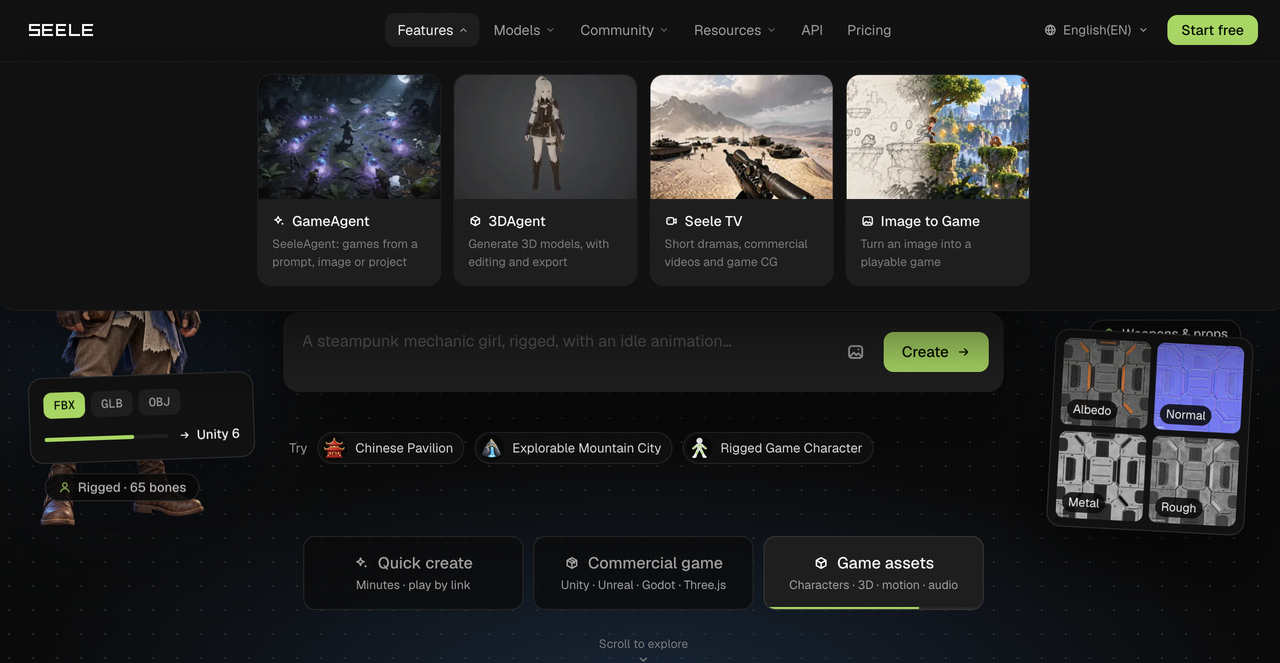
An AI game creation session produces more than one prompt and one answer. It may include reference images, project files, generated code, 3D models, preview builds, and a trail of revisions. Those materials need to be stored, shared, and reviewed. SEELE AI is a useful example of a creative application in which the product experience depends on how well all those pieces stay connected.
This article is an independent discussion of the workflow, not an AWS customer story or a claim that SEELE uses a particular AWS service. For engineers, the interesting point is how multimodal creation changes the shape of the underlying data and review process.
A project is a collection of artifacts
When a creator asks SeeleAgent to build a playable first version, the result should be treated as a project that can change. A team may keep the original prompt, a reference image, the generated code, an asset inventory, and several previews while it tests the game. The practical questions are familiar to cloud builders: who can access each artifact, how versions are tracked, what can be exported, and how the team moves a result into a production environment.
For teams managing game assets and prototypes in the cloud, SEELE AI can serve as an ai game maker that helps move a concept toward a playable first build.
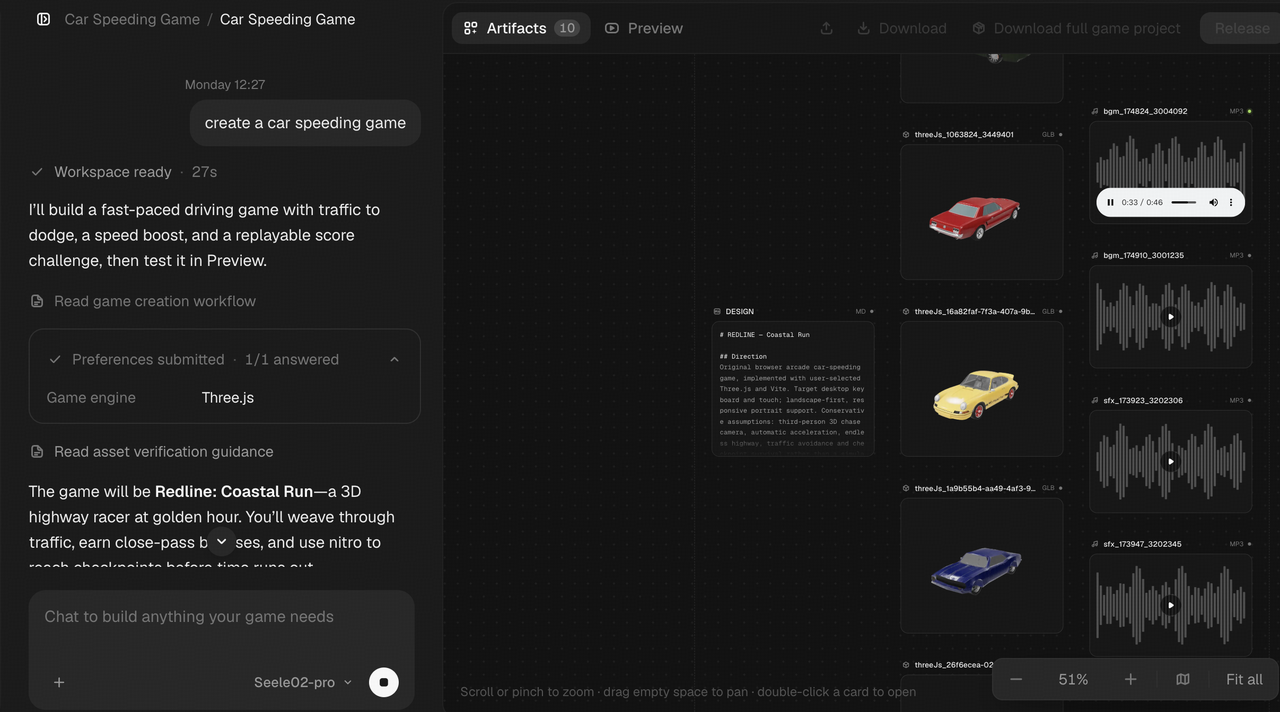
3D and video add different file needs
SeeleAgent generates editable 3D models and supports export, functioning as a 3d model generator. Those models may need to move among artists, developers, and reviewers before entering a build. Seele TV creates another class of material: short dramas, commercial videos, and game CG animation. Image to Game starts with a visual reference, including image to 3d outputs, and produces an interactive experiment. Together, these tools show why AI creation platforms need to handle multiple kinds of files and several stages of review, not just a text response.
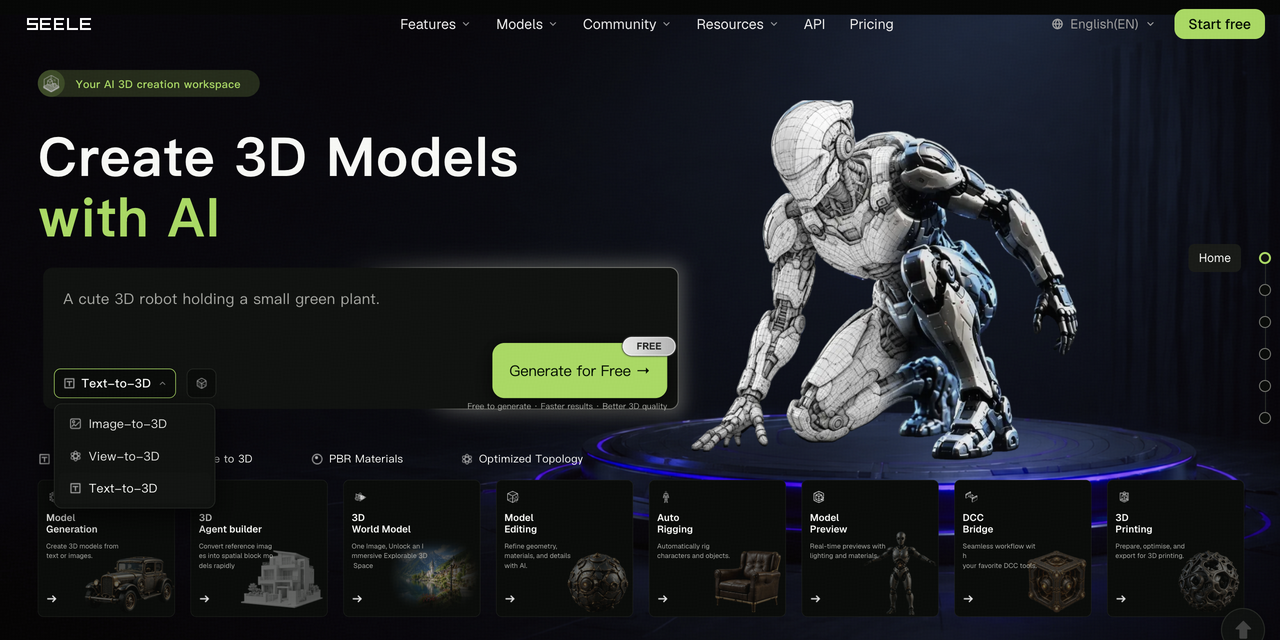
Build for inspection and iteration
The first result is most useful when people can test and revise it. Developers should inspect generated code and dependencies. Artists should examine model quality and usage rights. Product teams should test whether the interaction communicates the intended idea. The cloud workflow behind a tool like SEELE should make that loop practical: save work, return to a previous version, share a preview, and prepare an output for the next stage. The creative promise is strongest when the technical handoff is dependable.
How to begin
Start with one idea that you can explain in a sentence. Decide what the first version should teach you. If the question is about gameplay, begin with GameAgent. If a visual reference is doing most of the creative work, try Image to Game. If the project needs a particular object, use 3DAgent to make and revise it. When the concept is clear enough to show others, Seele TV can help create a short presentation. Then ask someone unfamiliar with the idea to try it and watch what they actually do.
The first output is a draft. Treat it like any other production material: inspect the code and dependencies, review the assets, check usage rights, and test the experience on the intended platform. Feedback should guide the next version. A creator who keeps the experiment small can learn more from one honest play session than from a long list of untested features.
Why the connected approach matters
A game concept does not live in one file. It moves through design, art, interaction, and presentation. SEELE keeps those activities close enough that the idea can develop without losing its identity. The creator can work with a playable build, adjust a 3D object, test a visual reference, and make a short video as related parts of one project. That continuity gives small teams more room to experiment and helps larger teams discuss concrete results earlier.
None of these tools makes taste or judgment automatic. The best results still come from a clear idea, careful editing, and attention to the people who will play or watch. SEELE is useful because it brings the first test within reach and makes the next revision easier to imagine. The less time spent waiting for a first version, the more time a team can spend deciding what is worth making.
From first test to finished direction
A good prototype earns its next round by showing where the experience has energy. The team can keep the mechanic that players understand, replace an object that distracts from the scene, or cut a feature that adds work without adding meaning. This kind of editing is where a rough AI output becomes a project with a point of view. SEELE supports the early material; the creator supplies the judgment that shapes it.
That process also makes collaboration easier. A designer can point to a scene rather than describe it, a developer can inspect a behavior rather than guess at it, and a marketing team can see which part of the experience deserves a trailer. The project becomes easier to discuss because everyone has the same starting artifact in front of them.
Try SEELE AI
Have a game idea, a picture, or a project you want to make interactive? Visit SEELE and try it with one small concept. See what you can play, edit, and share, then make the next version your own.