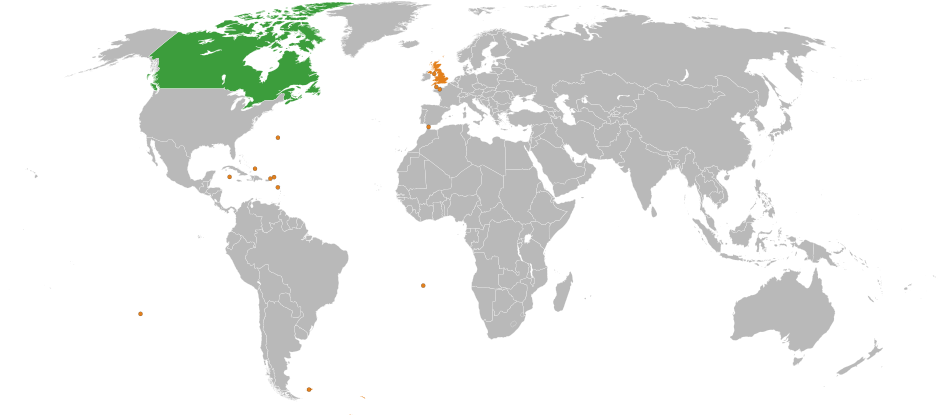
Did you know that the Queen of England is also the Queen of Canada?
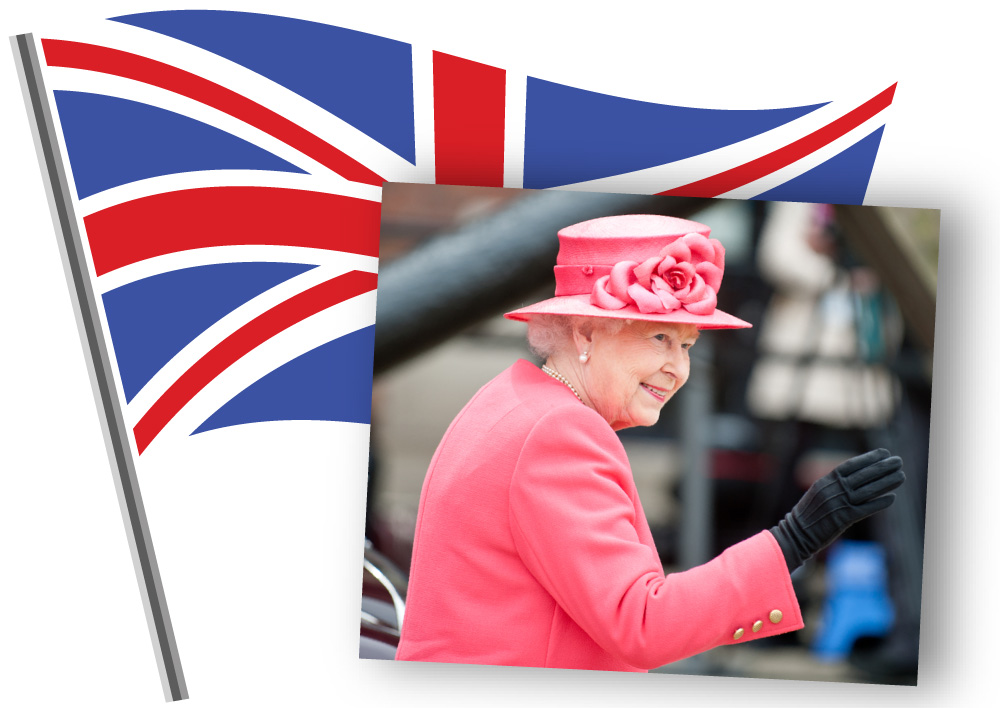
Both countries share the same government and same Head of State. Queen Elizabeth II.
There are three levels of government: Federal, Provincial, and Municipal (local).
The Federal Government known as Parliament, oversees the issues affecting the country as a whole.
There are 3 parts of Parliament:
- Monarch, or Head of State (Queen Elizabeth II) who appoints a Governor General and 1 Governor Lieutenant to represent each of the 10 provinces of Canada
- House of Commons who make the laws.
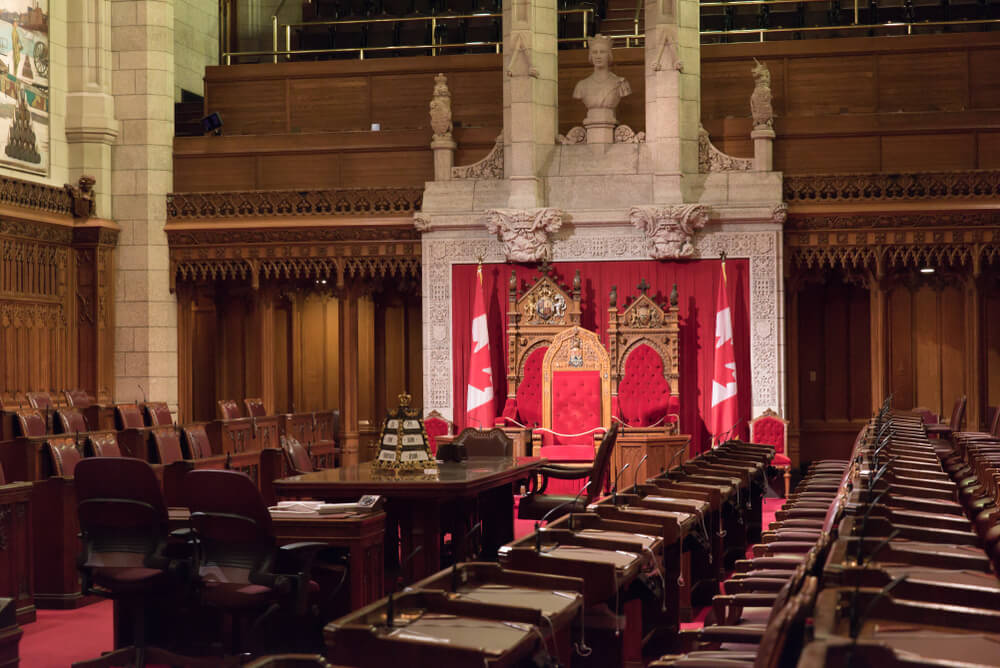
- Senate made up of 105 members chosen by the prime minister who are responsible for passing the laws.
The Provincial Government includes the 10 provinces. These are like states. The province government deals with things like education and health care within their own province.
The Municipal Government is at a city, or town level. They deal with community matters such as parks, libraries, local police, and parking.
Branches
There are three branches of government: Executive, Legislative, and Judicial
- Executive Branch: Consists of the Monarch represented by the Governor General, Prime Minister, and Cabinet. They make the decision.
- Legislative Branch: Consists of the Senate and House of Commons and the law-making branch
- Judicial Branch: Independent courts interpret the laws passed by the Executive and Legislative branches.
Relationship with the U.S.
The United States and Canada have a good relationship. Both countries work closely together.
Here are some ways that Canada and the United States work together.
- Canada and US have the longest international border in the world that they both regulate.
- Largest trade relationship in the world with over a billion dollars a day in goods and services)
- Trade creates millions of jobs on both sides.
- Over 400,000 people cross between borders each day.
- Law enforcement collaboration.
- Work together to resolve environmental and water issues.
- Provide education systems and scholarship opportunities.