 |
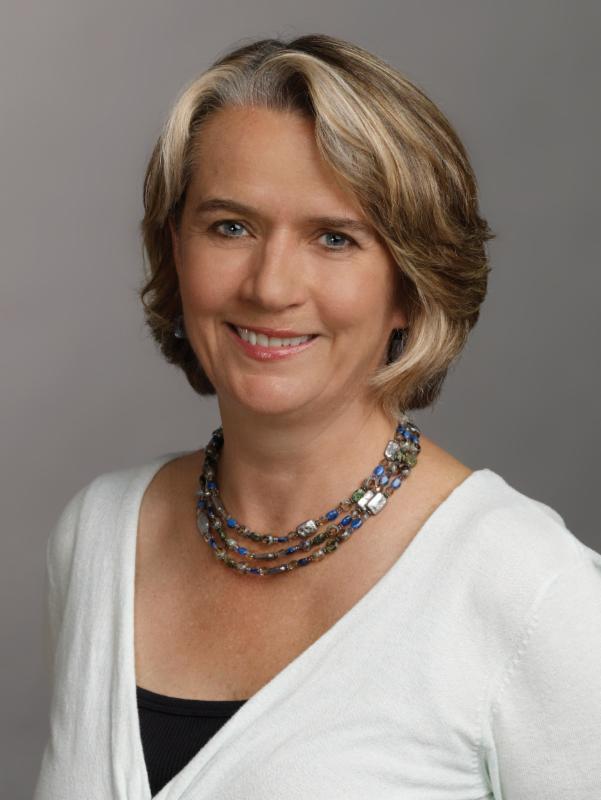
I am writing this from the SMFM First Year Fellow's Retreat outside of Chicago. Of all the great SMFM activities, this is one of the best and certainly my favorite. Based on the number of faculty in attendance, all of who are giving up their weekend and volunteering their time, I am not alone in my enthusiasm.
Established by the SMFM Fellowship Committee seven years ago, the retreat is a two-day meeting that is available to all of the first year MFM fellows from programs around the U.S. Typically, 90+% attend, and I think it fair to say that all find it to be an invaluable experience. The 65-70 fellows have a chance to mingle with the 15-20 faculty members, at meals, in presentations and panels, at team-building games and other exercises, and in the bar. Supported by SMFM, the Foundation, and the individual faculty participants, the purpose is to teach those things that the faculty members have learned through many years of accumulated experience, and that are not necessarily routinely taught during fellowship. While all programs provide training in how to manage an accreta, interpret an ultrasound, or care for a type 1 diabetic, there is less teaching of how to negotiate a contract, what is the real difference between academics and private practice, how do you choose a project, find a mentor, or start a research career. In between panels and lectures, the participants play games and just schmooze. It is a great time for the faculty to enjoy each other and for the fellows to get to know each other and the faculty.
 Similar to the experience of interviewing trainees, it is great fun to talk to the new fellows about what I love about my job. We all work too hard, and it is reinvigorating to take the time to remember why we do it. For me, one of the best components of my position is the opportunity to teach and mentor our fellows. They are smart, enthusiastic, and dedicated; they love the same thing we do - MFM; and they push us to continue to learn by asking questions that are hard to answer. Getting to know the first year class, spending time with my own fellows in a relaxed and fun setting, reconnecting with our former residents and with those fellowship applicants we interviewed but who matched elsewhere, and meeting fellows who may be interested in a position in our center two years from now is fun and satisfying.
For the fellows, it is great for them to build some esprit de corps and identity as a class. Hopefully, they have gleaned some pearls that will contribute to their success and job satisfaction. If you work in a setting that includes fellows, ask them how they enjoyed the weekend. I think you'll gain increasing appreciation for the important work of the SMFM and how your contributions are put to good use.
Best,
Mary
|

|
Billing by Time or by Components
When counseling and/or coordination of care dominates (> 50%) the face-to-face physician/patient encounter, or the floor time (in cases of inpatient services), time is the key or controlling factor in selecting the level of service. However, in visits when the components rather than time dominate the visit, one should bill based on those components as time is not the key factor in these visits, even if the time of the visit is stated in the report.
Billing by Time Component
To report the level of service based on time spent for counseling and/or coordination of care, the total length of time of the encounter (face-to-face for outpatient, or floor/unit time for inpatient) should be documented. The record should ALSO describe the time spent counseling and/or the activities performed to coordinate care. For example: "I spent 45 minutes face-to-face, of which 30 minutes were spent in counseling and/or care coordination". The counseling time may also be stated as >50% if appropriate. For example: "I spent 45 minutes face-to-face, of which >50% of time was spent in counseling and/or care coordination".
Counseling is defined as one or more of the following areas: Discussing diagnostic results, impressions, and/or recommended diagnostic studies; Prognosis; Risks and benefits of management options; Instructions for management and/or follow-up; Importance of compliance with chosen management options; Risk factor reduction; and Patient/Family education.
There is a discrepancy between Current Procedural Terminology (CPT) and Medicare guidelines on methodology of determining the level of service based on time with respect to rounding to the nearest level of care. CPT states that the specific times expressed in the visit code descriptors are averages and, therefore, represent a range of times that may be higher or lower depending on actual clinical circumstances. With payers that follow CPT rules, it is reasonable to round up or down the time and choosing the nearest corresponding level of service. However, Medicare Claims processing Manual states that the time approximation must meet or exceed the specific CPT code billed and should not be rounded to the next higher level.
For example, CPT notes 99214 has a typical time of 25 minutes whereas 99213 has a typical time of 15 minutes. If the face-to-face office time is 23 minutes, of which > 50% was spent in counseling and/or coordination, select code 99214 for payers that follow CPT guidelines. For Medicare and other payers who do not accept rounding up, 99213 should be selected.
Billing by Key Components
As defined by CPT, evaluation and management (E/M) codes correspond to 3-5 complexity levels within a visit type, including seven basic components: 1) patient history, 2) physical examination, 3) medical decision making, 4) counseling, 5) coordination of care, 6) the nature of the patient's presenting problem (i.e., the reason for the visit), and 7) time. The first three components are key to determine the correct E/M code. The next three are contributory factors to selecting the correct code, meaning that these components are not required for every patient visit. Time is the last component. The physician must use the following three key components to determine the appropriate code: (1) History; (2) Examination; and (3) Medical Decision Making (MDM). Please note that some payers will require that the MDM component must meet the submitted charge level where two of the three components are required.
|
 |
| |
|
House, Senate agree on task force for medications in pregnancy
In a Thanksgiving surprise, Congress released a heavily negotiated, bipartisan piece of legislation late Friday afternoon, November 25th. Included in the 996-page legislation were several provisions of interest to SMFM, including the long-fought for language creating a task force related to research in pregnancy and breastfeeding.
In 2014, SMFM began working with the March of Dimes, the American Congress of Obstetricians and Gynecologists, and the American Academy of Pediatrics to form the Coalition to Advance Maternal Therapeutics. The Coalition has been working to educate and inform Congress and other policymakers on the issues related to lack of data and information on medications in pregnancy and breastfeeding, recently hosting a congressional briefing on the topic.
In February 2015, SMFM hosted a workshop on the issue of medications in pregnancy and breastfeeding at its annual meeting, which was co-sponsored by the National Institute of Child Health and Human Development, American Academy of Pediatrics, and American Congress of Obstetricians and Gynecologists. The workshop explored the issue of medications used during pregnancy and breastfeeding, with participants agreeing that more research was necessary to ensure that safe and effective drugs are being prescribed to women who need them during pregnancy and lactation.
SMFM, with the CAMT, advocated for the creation of a task force housed within the U.S. Department of Health and Human Services that will improve federal interagency and key stakeholder communication, coordination and collaboration to advance research and information sharing on medications in pregnancy and breastfeeding. This Task Force has been included in the bipartisan, negotiated 21st Century Cures Act. The task force will include federal agencies such as National Institutes of Health, U.S. Food & Drug Administration, and Centers for Disease Control and Prevention as well as public stakeholders from professional societies, consumer representation and industry representation to prioritize and identify gaps in research and recommend a path forward on greater inclusion of pregnant and breastfeeding women in medication research.
We will not rest until this bill is signed into law. As this issue goes to print, the 21st Century Cures Act passed a procedural hurdle in the Senate, and is expected to be passed and then signed into law. Please make sure to THANK your member of Congress for their support and hard work on getting this done before the end of the Congressional session. You can find more information on the phone numbers for your Representatives and Senators at
SMFM will continue to push for implementation of this task force, including to nominate representatives to sit on this important body.
SMFM hosts Congressional briefing
Just a week prior to the 21st Century Cures bill's release, SMFM hosted a Congressional briefing along with the Coalition to Advance Maternal Therapeutics (CAMT), featuring SMFM Immediate Past President Dr. Laura Riley. The briefing itself can be seen on SMFM's Facebook page here.
Trump Nominates Price, Verma for Top HHS Posts
President-elect Donald Trump nominated Congressman Tom Price of George for the post of Secretary of Health and Human Services. Dr. Price is an orthopedic surgeon by training and has served in the U.S. House of Representatives since 2005. The HHS Secretary oversees all aspects of the U.S. healthcare portfolio, including FDA, NIH and CDC, as well as Medicare, Medicaid and the Children's Health Insurance Program. Dr. Price has been Chairman of the House Budget Committee and active in healthcare policy. SMFM's Health Policy & Advocacy Committee is currently working on various position statements related to maternity care and access to care, and plans to continue to keep the conversation flowing between the Society and HHS as potential changes to the Affordable Care Act (ACA) and Medicaid are floated. Dr. Price has already proposed a "replacement" plan for the ACA. You can read more about it here.
It is also reported that Indiana health policy consultant Seema Verma will be nominated as Administrator of the Centers for Medicare & Medicaid Services (CMS). Ms. Verma has worked with state Medicaid programs that have chosen to expand in the wake of the ACA, and worked in Indiana on the state's own health care reform initiative following the ACA's passage.
Submit your application for the $25,000 SMFM Health Policy Awards TODAY! SMFM has two health policy awards available from AMAG Pharmaceuticals and Hologic, and will provide up to $25,000 each to support research which explores an aspect of health care policy that assists, defines, or restricts the ability of a physician to deliver health care to pregnant women in the general population, or in a specific area. The criteria to apply for the award are: - Submission of an application in the provided format by midnight Eastern time December 30, 2016
- Applicant must be member or associate member of SMFM at the time of application.
- Grants are made for one calendar year - from March 1, 2017 through February 28, 2018. A 6-month progress report will be due in September 1, 2017. No more than one, no-cost extension may be granted.
- Grants are not intended to supplement salaries; all funds are to be directed to facilitate completion of the proposed project. No additional overhead will be paid.
- A final written report, as well as final expenditure reconciliation is required after the grant concludes.
- A manuscript must be developed as a result of this award and submitted no later than 6 months after the end of the grant period to the SMFM Health Policy and Advocacy Committee for publication in a journal of the Committee's choosing. In addition, recognition shall be given to the award's support of this research.
Email submissions as PDFs to SMFM's Chief Advocacy Officer, Katie Schubert at kschubert@smfm.org. For assistance, please contact Katie at the above email or at (202) 863-2519. Lame Duck Congress begins
Following the 2016 election, Congress is back for a few weeks before the end of the year to finish up is work before the new session of Congress begins January 4. First on its list is the budget. Without action, the federal government will shut down on December 9th. Congress is expected to keep the government running through March of 2017, giving the new Congress and Administration the opportunity to move forward with a longer term spending bill for the remainder of fiscal year 2017, which ends September 30, 2017.
Aside from the budget and 21st Century Cures, there are a few other items that Congress must pass before adjourning, including the National Defense Authorization Act. Congress is expected to finish its work relatively quickly, making for a short-lived Lame Duck session.
|
|
Global Conference on Maternal-Infant Health
|
|
'What kind of world we want to leave to those who come after us?'
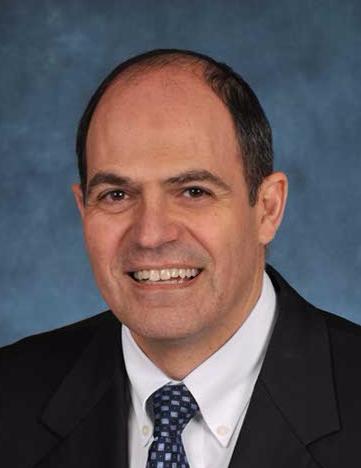
By Dr. Vincenzo Berghella
With the goal to leave a much improved planet when we are gone to our children and grandchildren, WHO (World Health Organization), FIGO (International Federation of Obstetricians and Gynecologists), SMFM and others organized this first Global conference on maternal and infant health on November 4th-6th, 2016, in Florence, Italy. I was honored to attend and represent our society. This conference was GREAT!!!!!!!!! The rationale for this high-level meeting was that global disparities in access to basic maternal and newborn health care continue to represent one of the starkest inequities of our times. Each year approximately 270,000 women and 3 million newborns die due to complications related to pregnancy and childbirth; 99% of these deaths occur amongst the most disadvantaged population groups living in the poorest countries of the world. The goal was to bring healthy pressure to bear on those who wield political, economic and social power to assure a safe childbirth to all mothers and newborns for a future with less inequity and more peace, reconciliation, and positive coexistence among peoples and religions. The FIGO Secretary General Gian Carlo Di Renzo was the behind the scene organizer of this star-studded meeting by invitation only. Dr Flavia Bustreo, Assistant Director-General for Family, Women's and Children's Health at WHO, and currently running for WHO Secretary General (!!) was there, as well as the current President (as well as several past ones) of FIGO, Prof Chittaranjan Narahari Purandare. While most of the participants were non-US, Dr Jeanne Conry came to represent ACOG (as Past President), and Dr Joe Leigh Simpson the March of Dimes. SMFM was mentioned and discussed by many as one of the leaders in global health for women and children. The President of Italy came to pay us a visit, too!! The objective we had and reached was to request G7 (Group of 7) commitment to promote new models of development based on concrete collaborative initiatives between public and private sectors aimed at improving health and living conditions for future generations addressing the global priority of preventing deaths in childbirth. As you all know, the G7 is formed by 7 industrialized democracies-currently the United States, Canada, France, Germany, Italy, Japan, and the United Kingdom--that meet annually to discuss issues such as global economic governance, international security, and energy policy. So the 'product' of our Global Conference on Maternal Infant Health was a document which was sent to the Prime Minister of the country leading the G7 in 2017 (happens to be Italy), to make sure issues of women and children get added to their reports. This means major global money from countries worldwide being assigned to help women and children, including grants and programs as well as direct help. It really felt like major collaborations were built, and progress made. SMFM should be proud of being involved on such global issues first hand. This is as much an honor and a major task we all share. |
|
The Pregnancy Foundation is pleased to announce the third year ob/gyn residents who have been selected as the 2017 Quilligan Scholars:
Maria Andrikopoulou, MD, PhD (Winthrop University Hospital)
Victoria Greenberg, MD (Christiana Care Health Services)
Anne West Honart, MD (New York University)
Michael Miller, MD (Naval Medical Center San Diego)
Courtney Mitchell, MD, PhD (University of Alabama Birmingham)
Emily Oliver, MBBS, MPH (The Ohio State University)
Martha Tesfalul, MD (University of California San Francisco)
The program provides future leaders in maternal-fetal medicine with two years of mentoring and educational opportunities. They will be formally recognized after the Resident Forum on Wednesday, January 25, 2017 at the 37th Annual Meeting of the Society for Maternal-Fetal Medicine in Las Vegas.
More information about this program and our other scholarships and grants can be found on our website.
|
| |
Quilligan Scholars with Drs. Quilligan, Platt and Queenan at the 2016 Annual Meeting in Atlanta.
|
|
|
Practice Management Special Interest Group
The Association for Maternal Fetal Medicine Management (AMFMM) will again be presenting a valuable session at the Annual SMFM Pregnancy Meeting. This session will provide the attendees the chance to hear two speakers who are amongst the most knowledgeable about MFM practice management in the nation. Leslie Protomastro is the Chief Operating Officer of Maternal Fetal Medicine Associates- a large practice in the competitive environment of New York City and Frank Ciafone brings the unique perspective of decades of experience as a consultant focusing on maternal fetal medicine practices. Their talks followed by interaction with attendees will make this a session you will not want to miss.
AMFMM is the practice management affiliate of the SMFM, most noted for outstanding business meetings held annually. Save the date for the 2017 meeting to be held in Orlando, Florida- September 14-15.
Go to top of page
|
|
Select 2016 Publications & Guidelines:
Read and/or search for more SMFM Publications & Guidelines on our website..
|
|

Free App to Reduce Rate of Preterm Birth
SMFM brings the first evidence-based toolkit aimed to optimize the management of pregnancy using evidence based tools reducing the rate of preterm birth. This free app utilizes peer reviewed and Society endorsed algorithms for mitigation of risk factors in preconception and pregnancy care. The app is provided at no cost to users in an effort to reduce the rate of preterm birth and improve the health of mothers and their infants. The key drivers for prevention of preterm birth are identified and managed via evidence based interventions identified in the peer reviewed literature and Society guidelines.
To view the full App description and page, click here:
App Store - "SMFM Preterm Birth Toolkit by SMFM":
|
The SMFM App
You can find instructions on how to download the App here. The app contains SMFM guidelines, statements, fellow lectures, coding documents, pocket tools, newsletter links, and social media quick-links in an easy-to-navigate format.
The development of SMFM Preterm Birth Prevention and Management App is supported by an unrestricted educational grant from AMAG Pharmaceuticals.
|
|
Update your Member Profile today!
|
|
Is your SMFM member profile up-to-date?
SMFM member profiles have the capacity to capture valuable information on the interests and professional expertise of Society members. Help us improve this important communication tool by updating your member profile today!
2. Click on the 'Account' tab from the menu bar at the top of the page.
3. Select 'Profile' from the rollover menu.
4. Add or update your contact information, education information, communication preferences and areas of interest.
5. Select the 'Update Preferences' icon at the bottom of the page.
Go to top of page
|
|

The 7th Annual First Year MFM Fellows Retreat:
Interacting with icons, camaraderie with peers, and finding harmony
By Ashley Battarbee, 1st year fellow at University of North Carolina
From November 5-7th, the first year fellows met in Itasca, IL for the 7th annual MFM Fellows' Retreat. We were inspired by icons in our field to become basic scientists, clinical investigators, great teachers, smart businessmen, AND exceptional MFM physicians. We treasured the opportunity to get to know our new colleagues over meals, late-night bowling, and speed dating, where we all shared some great laughs with the leaders in our field. After a motivational (but also a little overwhelming) weekend of lectures, we learned how to find harmony, not balance, in work and life and broke boards as a symbol of overcoming life's many challenges. We returned home excited to plan out what we want to achieve in fellowship and in life, and we look forward to sharing these experiences with our new friends and colleagues in the coming years.
We would like to thank SMFM, the conference organizers, participating faculty, and sponsors for this unique opportunity. We are grateful for your interest and dedication not only to us but to the future of our field.
|
When giving betamethasone for women at risk for late preterm delivery, it is important not to delay delivery. This is not the same as before 34 weeks where one attempts to delay delivery in order to reach "steroid benefit".
- Contributor: Anonymous
|
|
|
|
|