September 2012
The Great Butterfly Migration

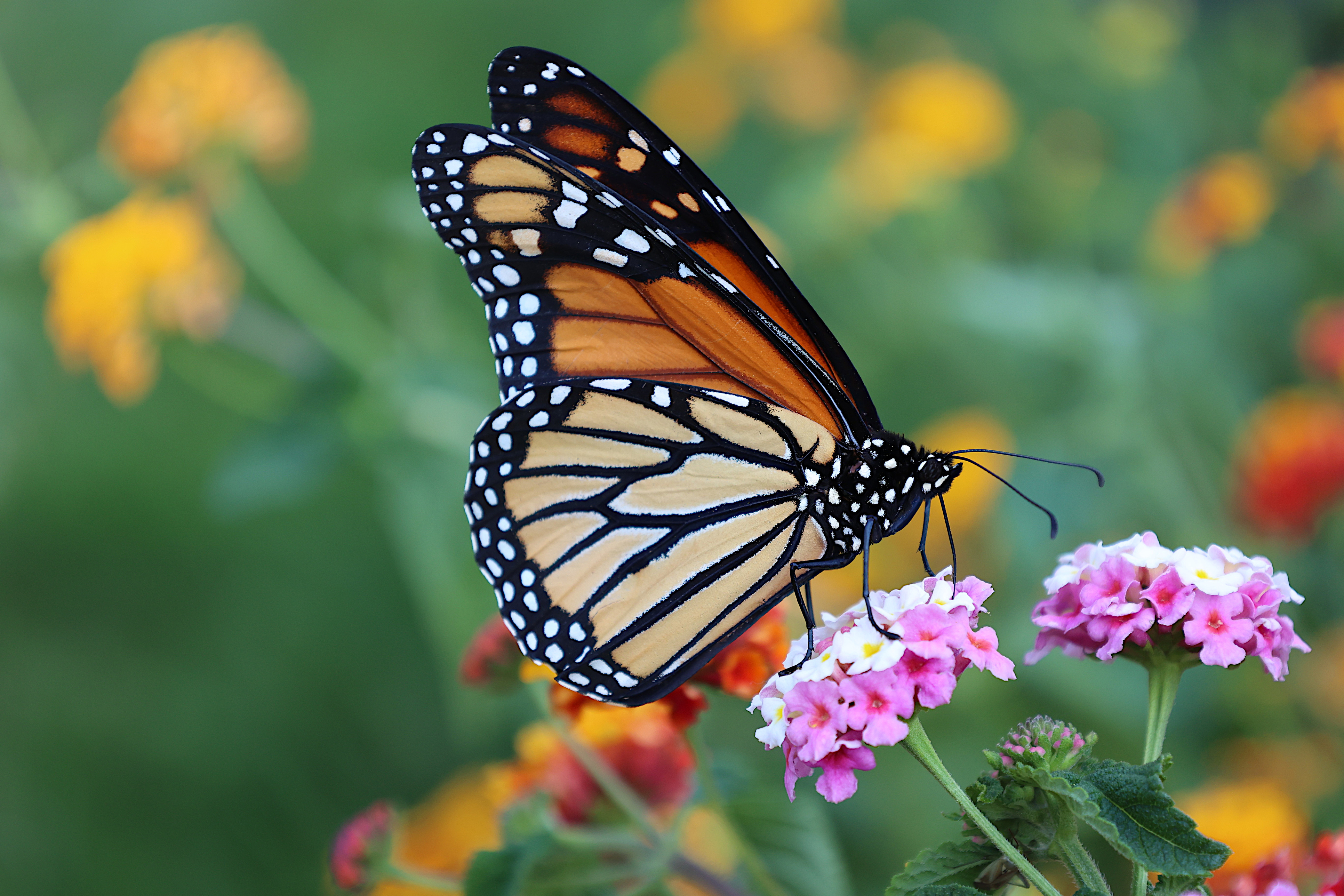
Each year the great Monarch butterfly migration from Canada to Mexico starts in September. This 2000-mile trek has become an international sensation.
Scientists track the movements of the butterflies. And we can use their data to measure distance and speed.
In this issue of we study the migration of the Monarch butterfly.
Watch this amazing PBS video to learn more about the Monarch butterfly’s migration from Canada to Mexico.
Tracking Migration
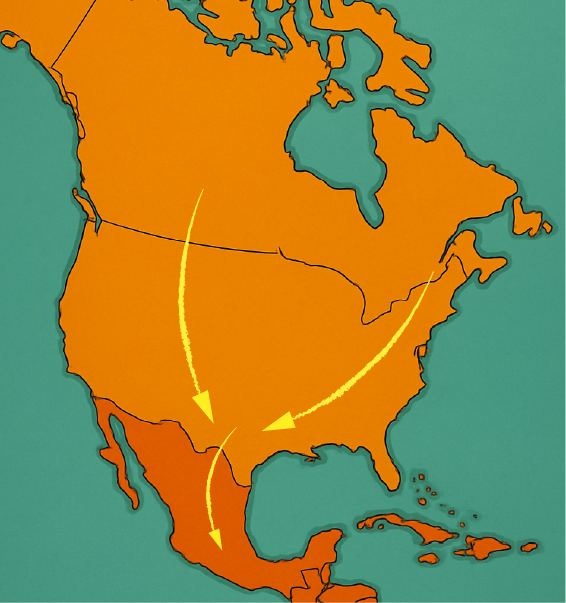
There are several Web sites that monitor the migration of the butterflies. Click on this link to see an interactive map.
http://www.learner.org/jnorth/maps/monarch_peak_fall2012.html
You can estimate the straight-line distance the butterflies have traveled by connecting a line from two different migration-location sites. You would also make a note of the time period this represents.
To calculate the average speed of the migration divide the total distance (in miles) by the total time (in hours)
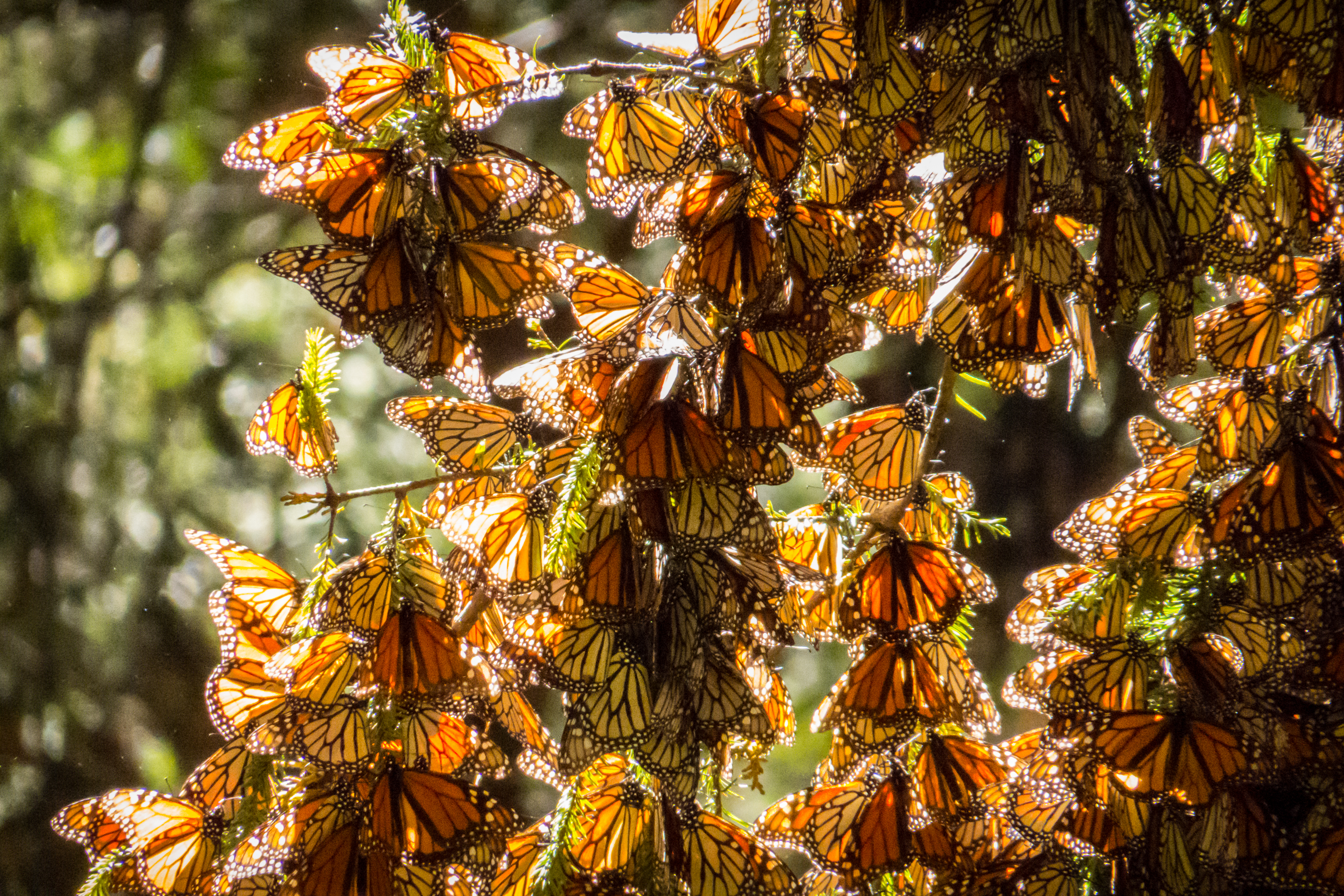
We will be tracking the migration of the butterflies from September to November. So keep coming back as we gather more data!
Tracking Migration

There are several Web sites that monitor the migration of the butterflies. Click on this link to see an interactive map.
http://www.learner.org/jnorth/maps/monarch_peak_fall2012.html
You can estimate the straight-line distance the butterflies have traveled by connecting a line from two different migration-location sites. You would also make a note of the time period this represents.
To calculate the average speed of the migration divide the total distance (in miles) by the total time (in hours)
We will be tracking the migration of the butterflies from September to November. So keep coming back as we gather more data!
Watch: Monarch Butterflies – Great Migration
Watch this video:
https://www.youtube.com/watch?v=QpffQtKN-gk
Think About It
- How do monarch butterflies navigate such long distances without guidance?
- What mathematical methods could you use to estimate their average flying speed?
- Why might migration routes vary slightly each year?
- What environmental factors might impact the number of butterflies making it to Mexico?