|
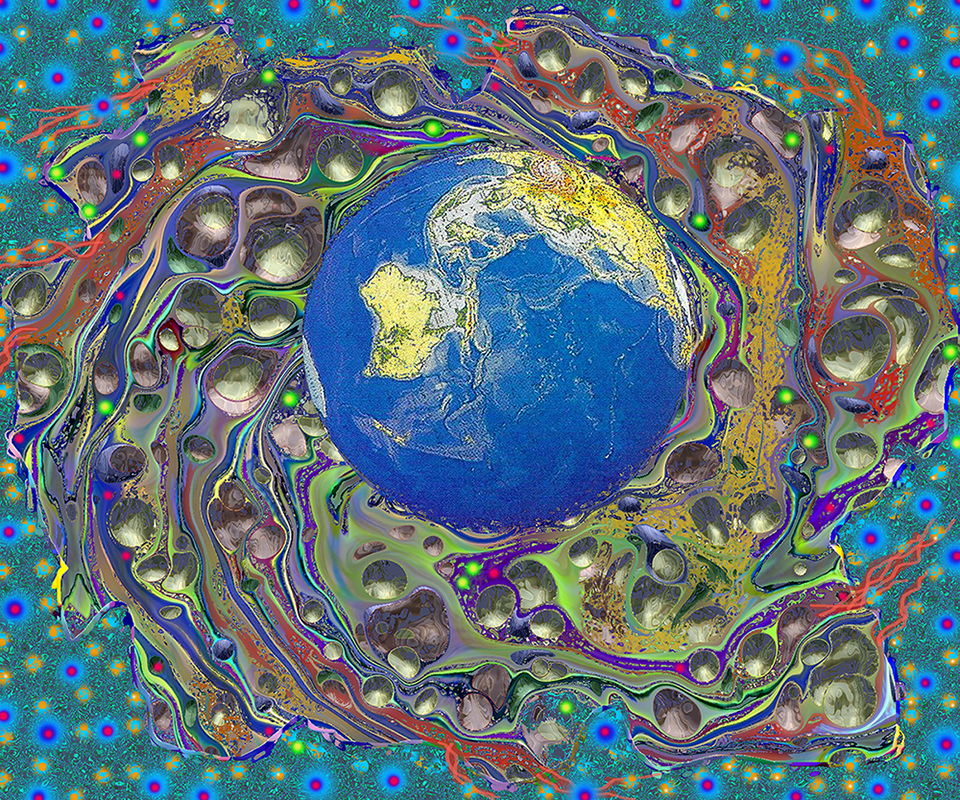
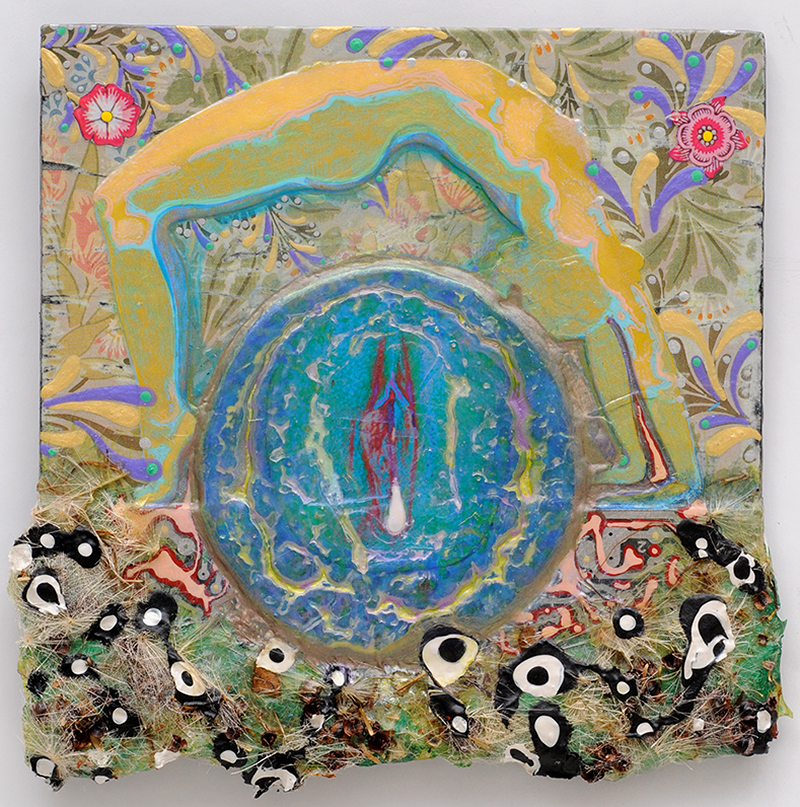
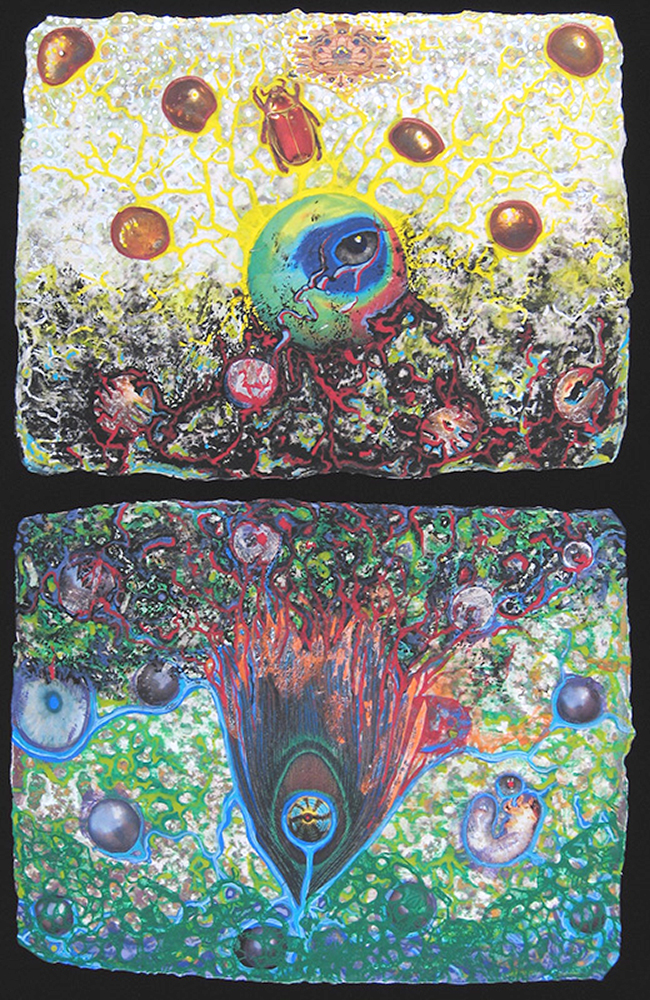
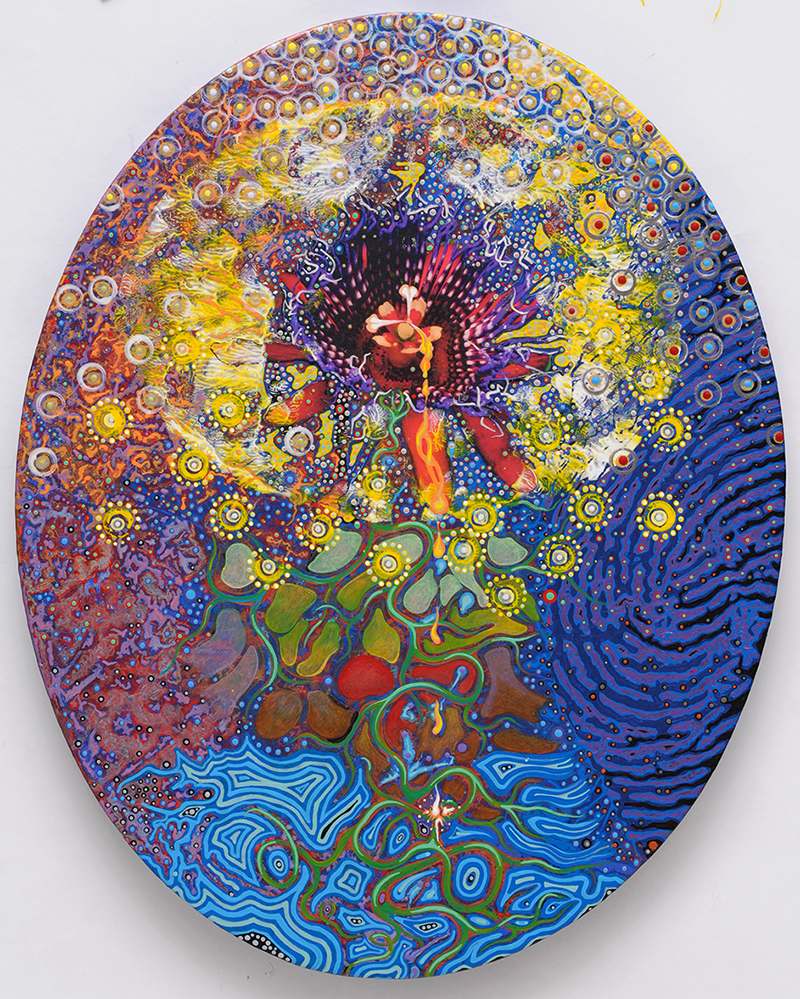
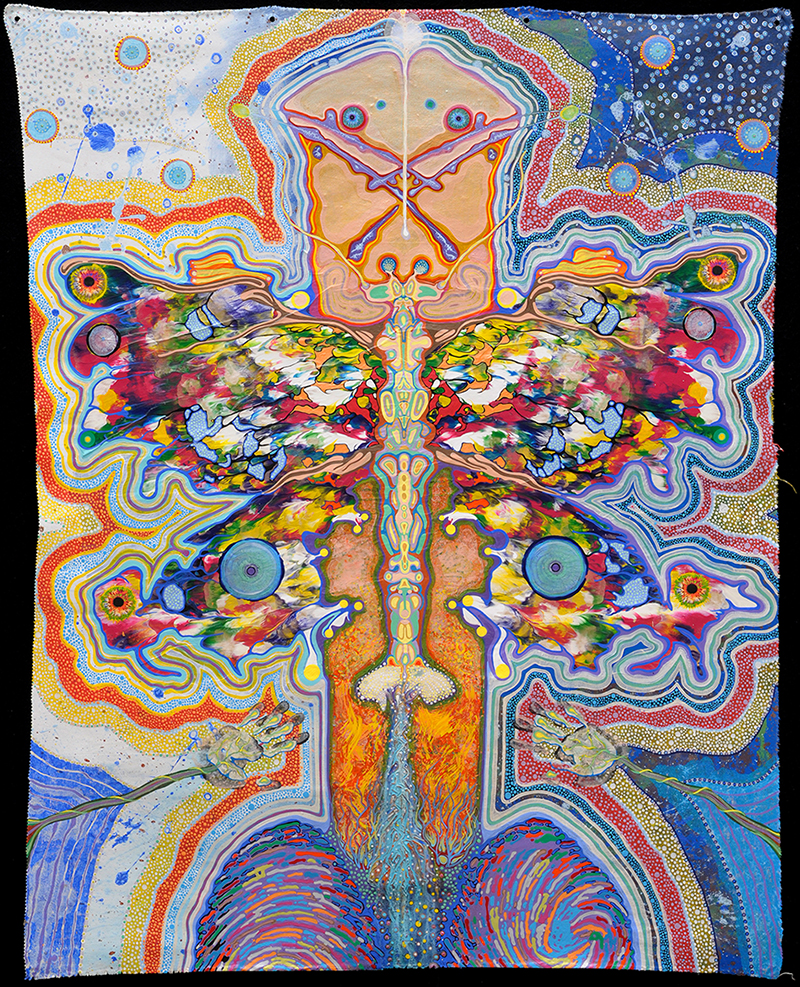
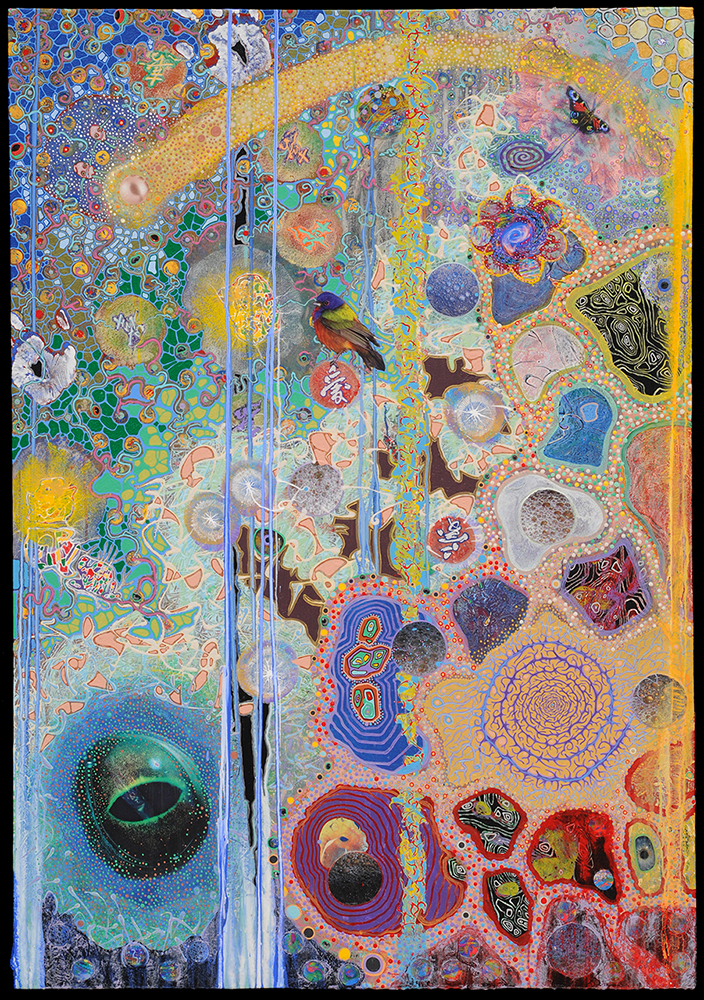
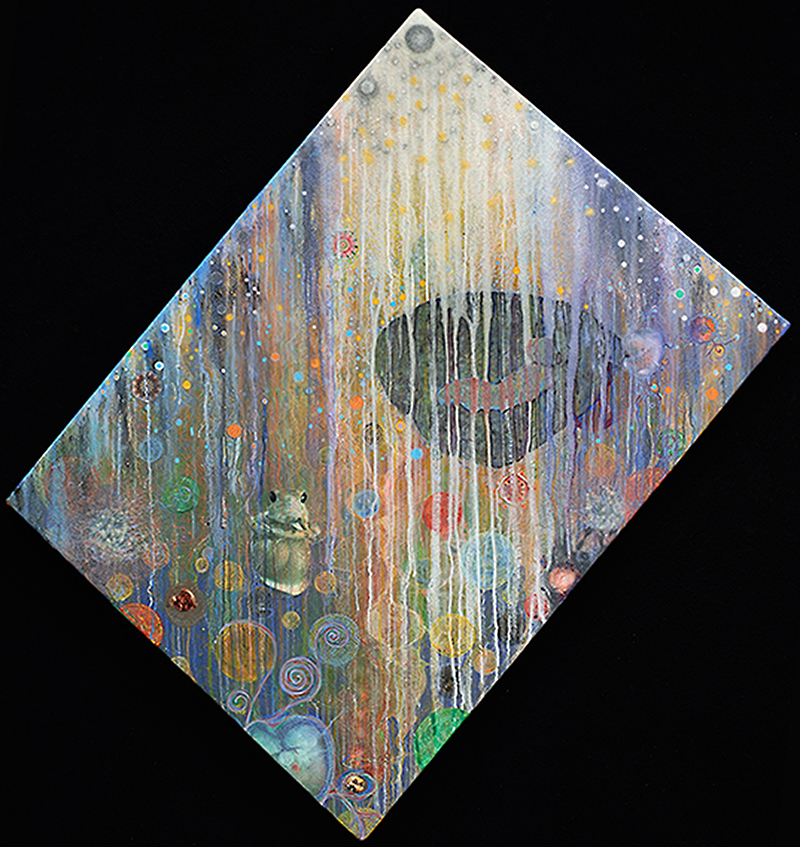
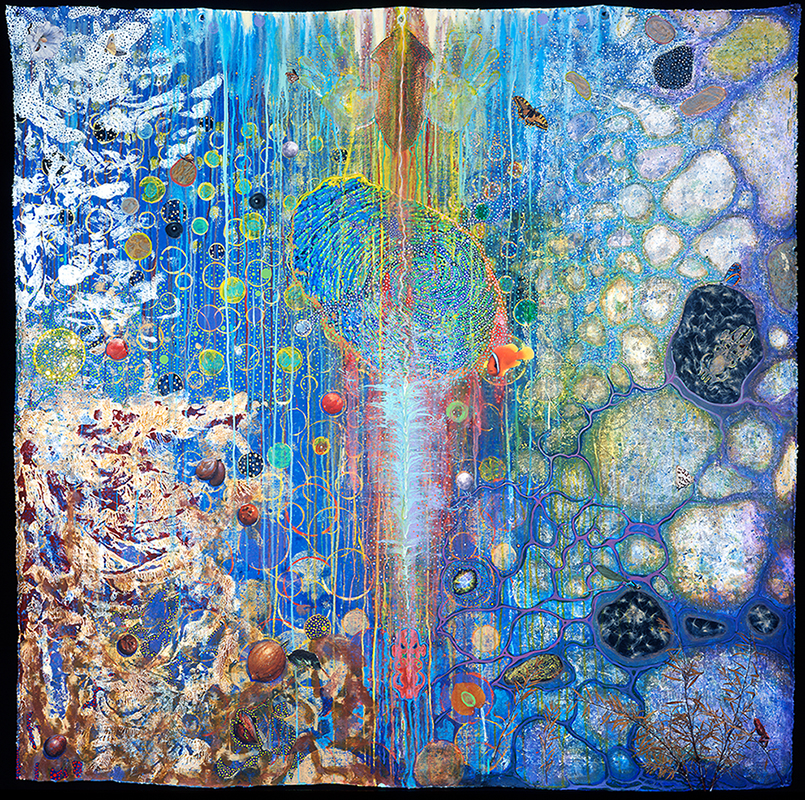
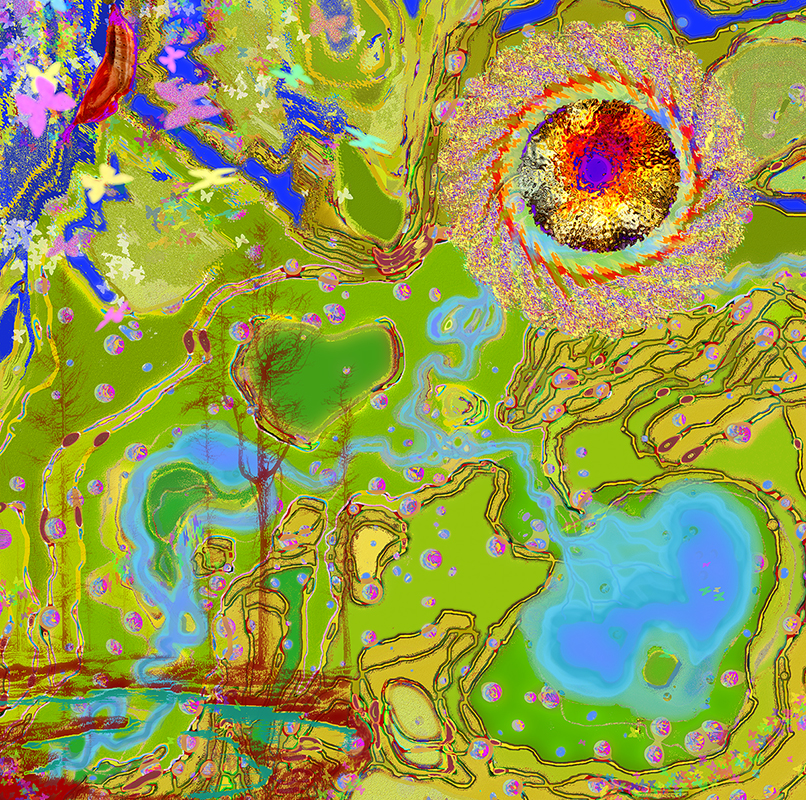
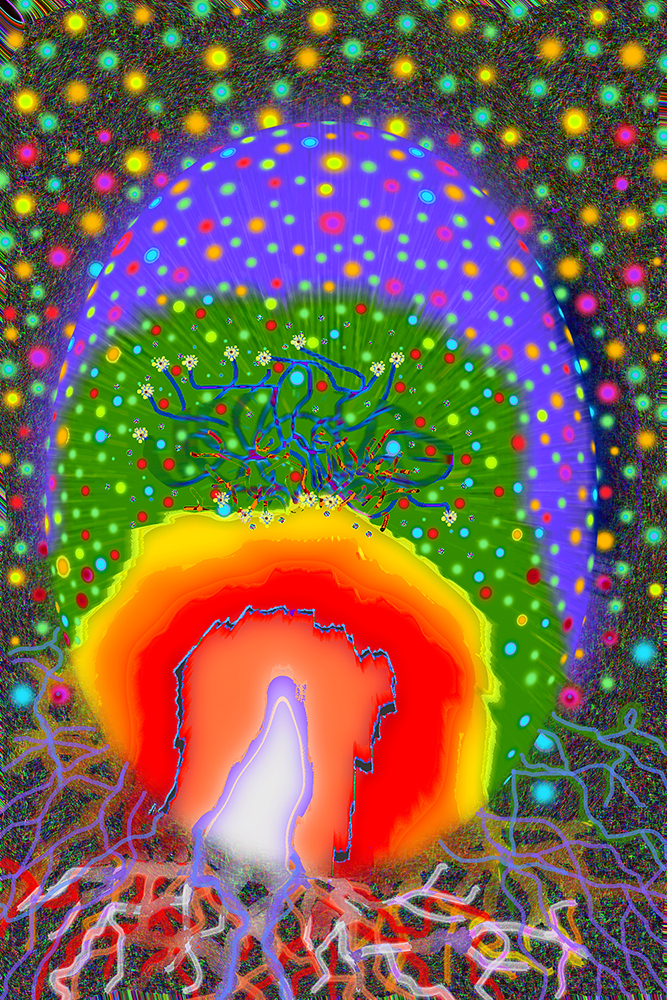
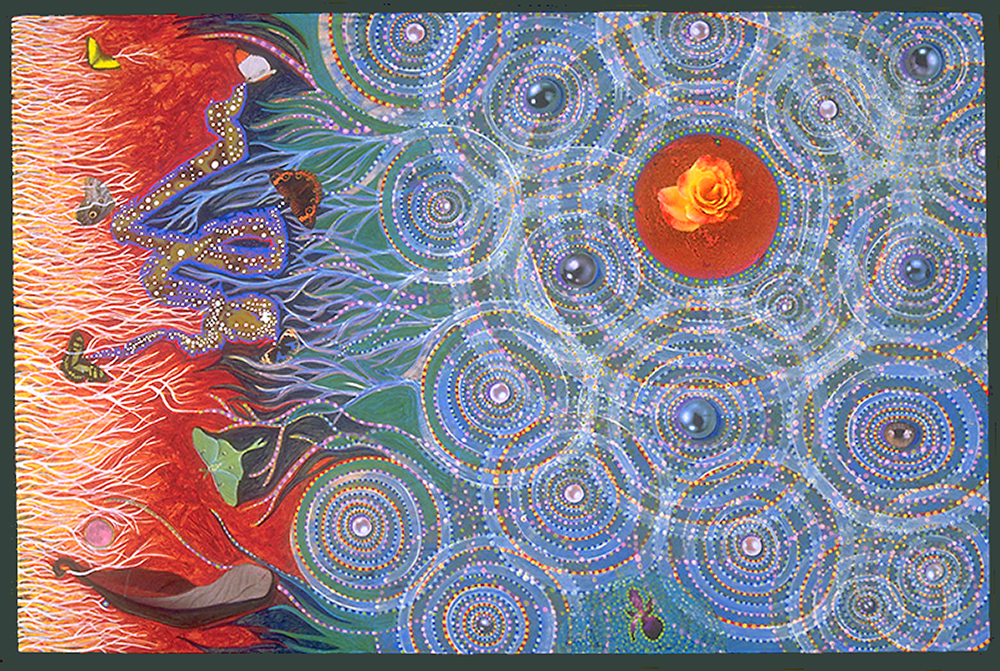
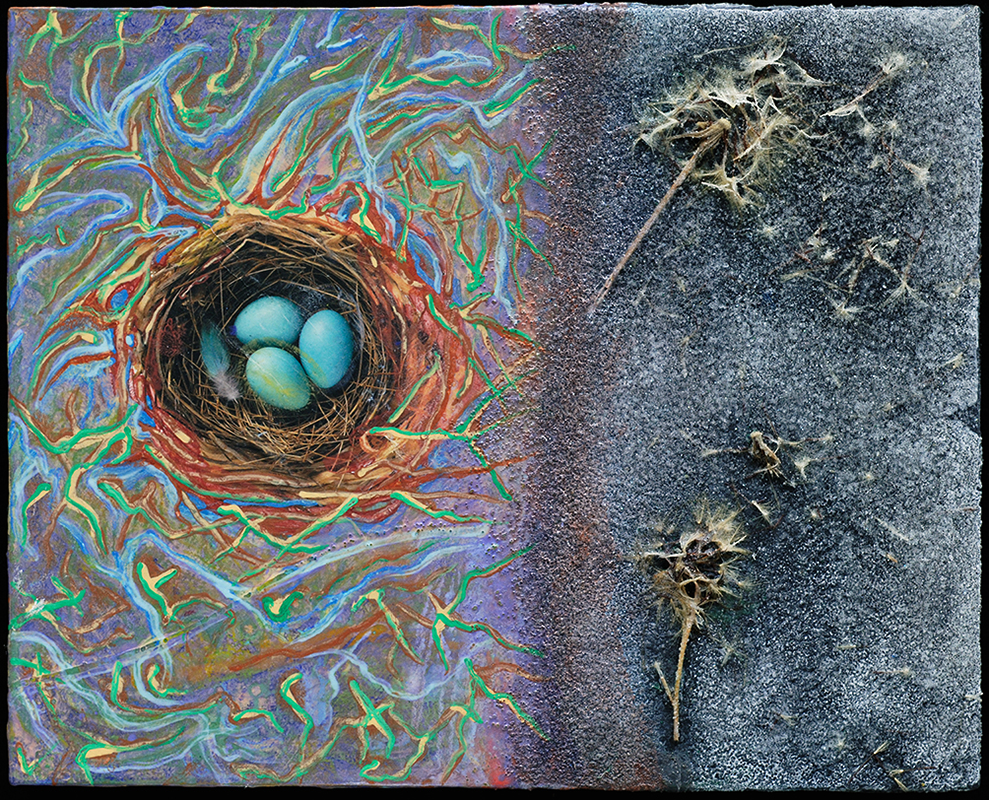
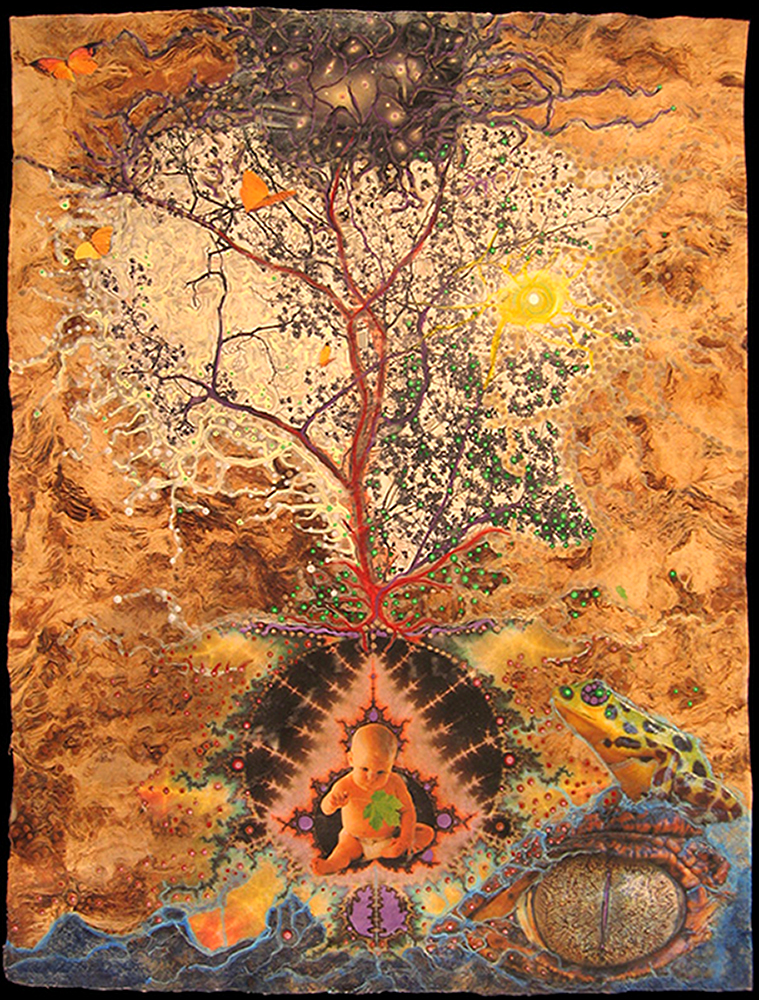
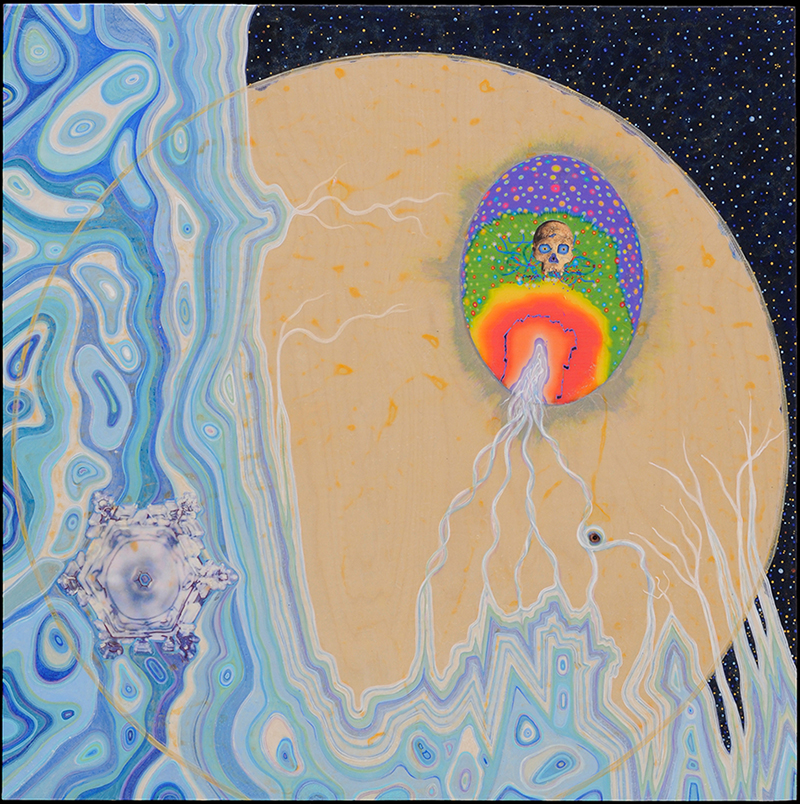
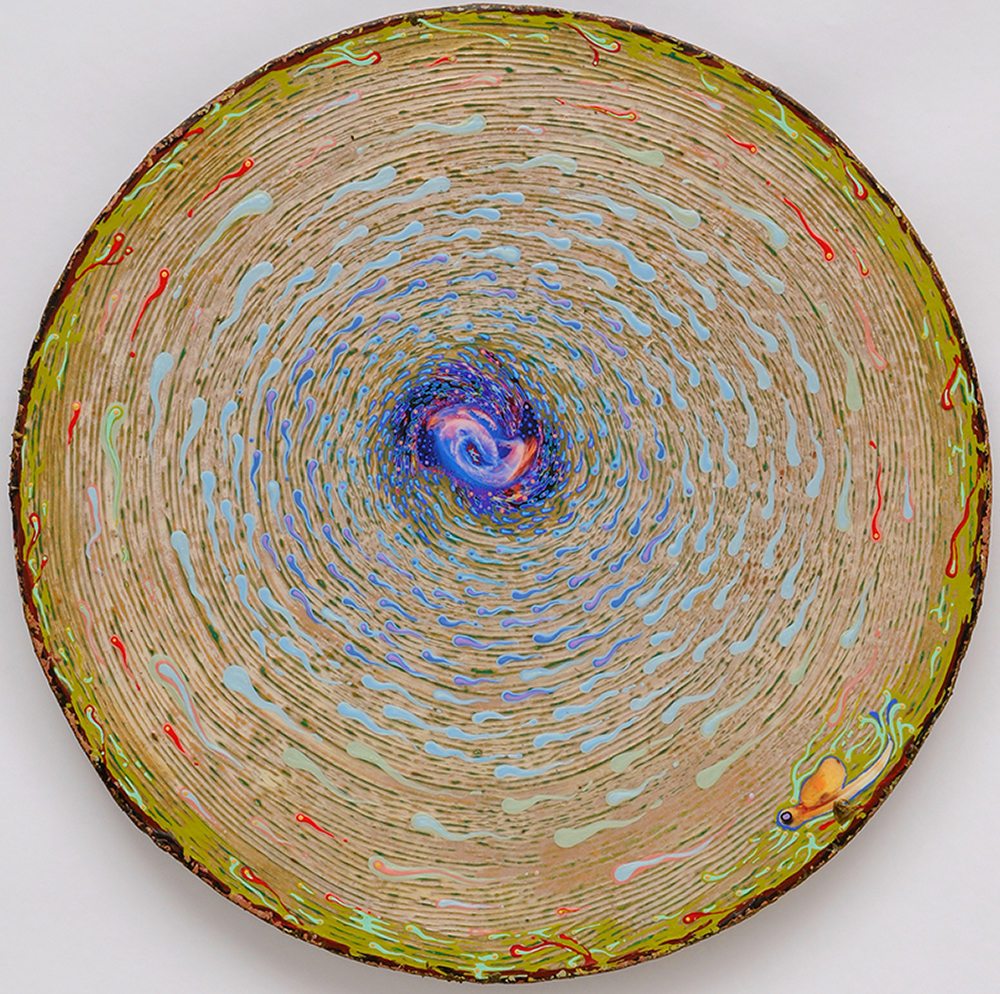
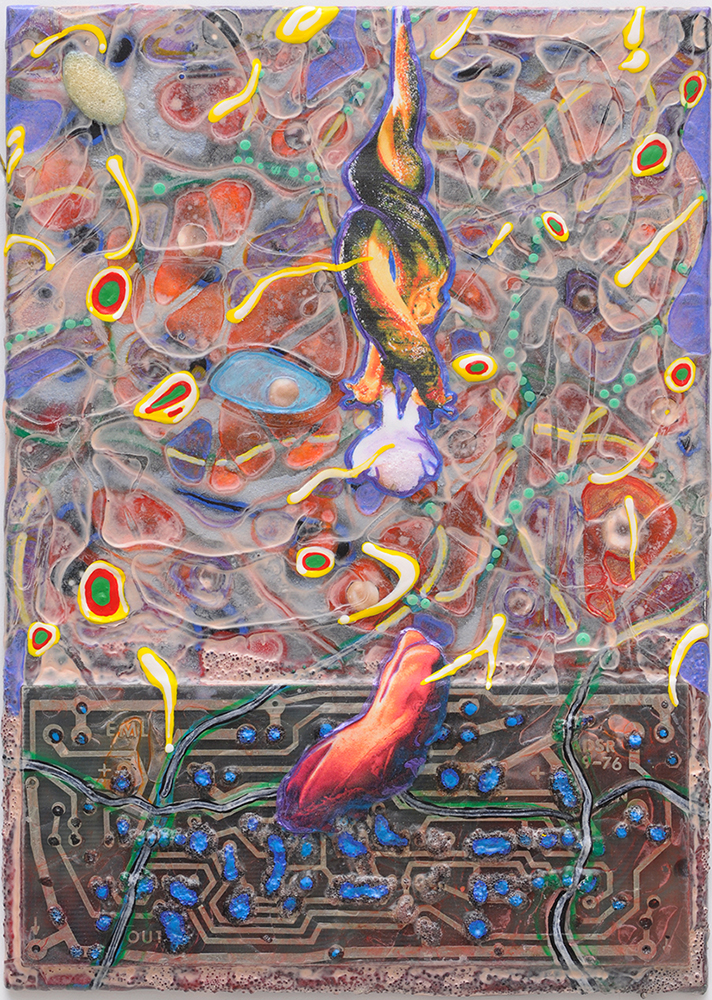
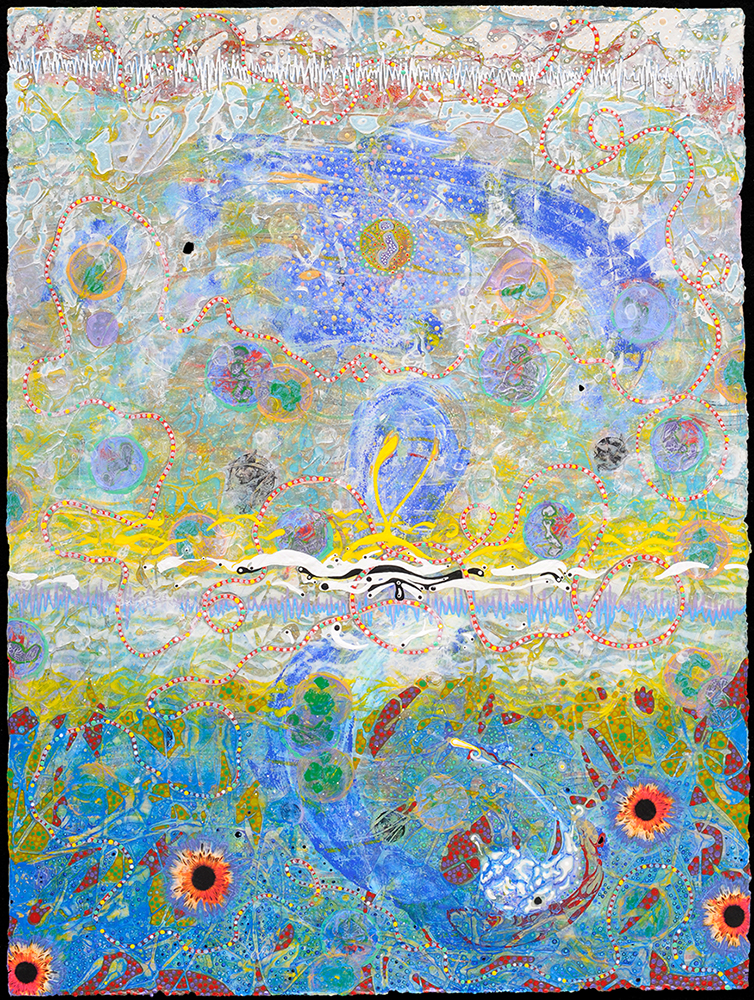
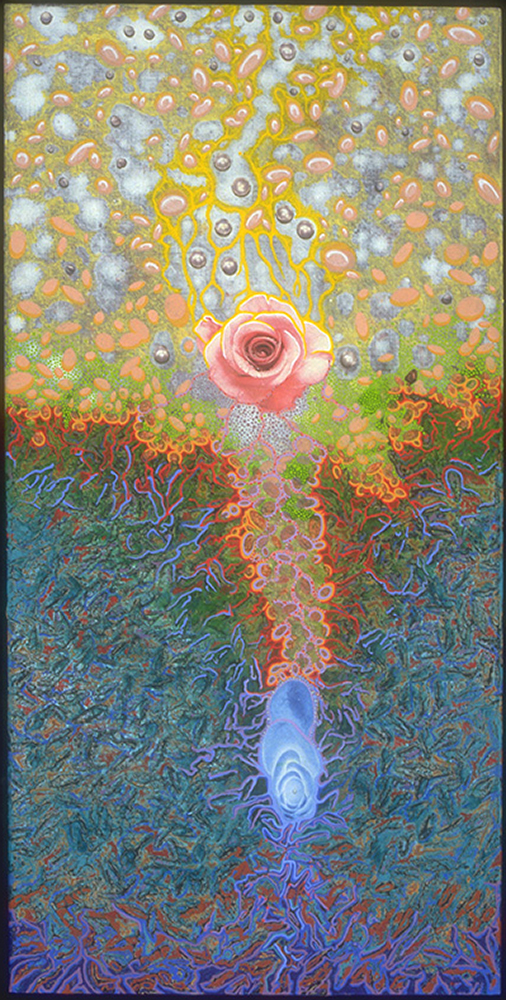
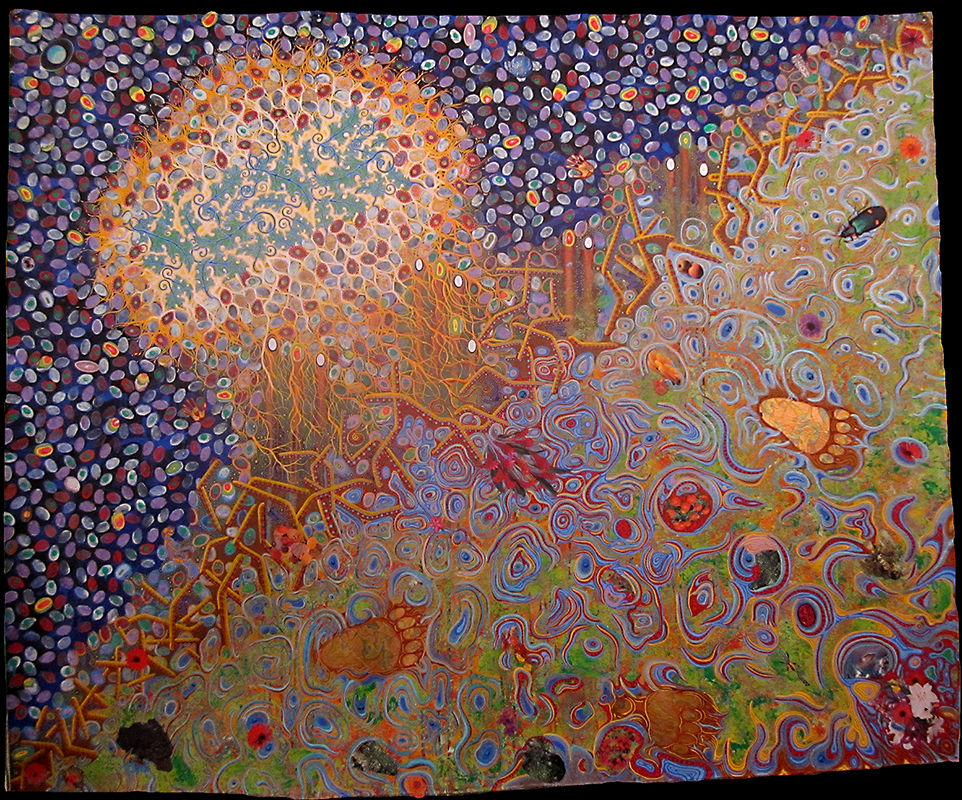
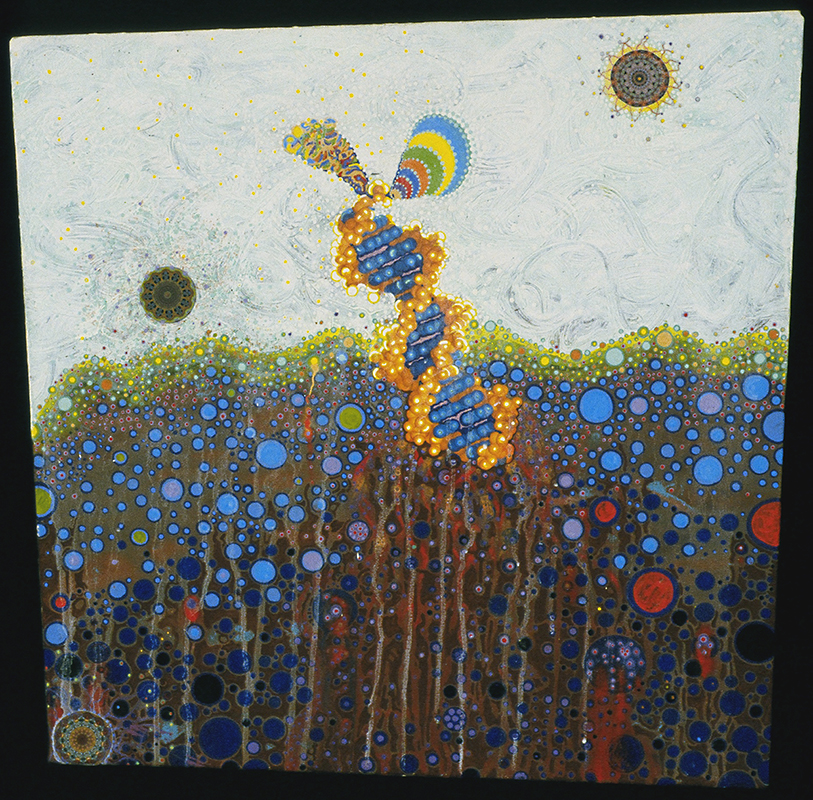
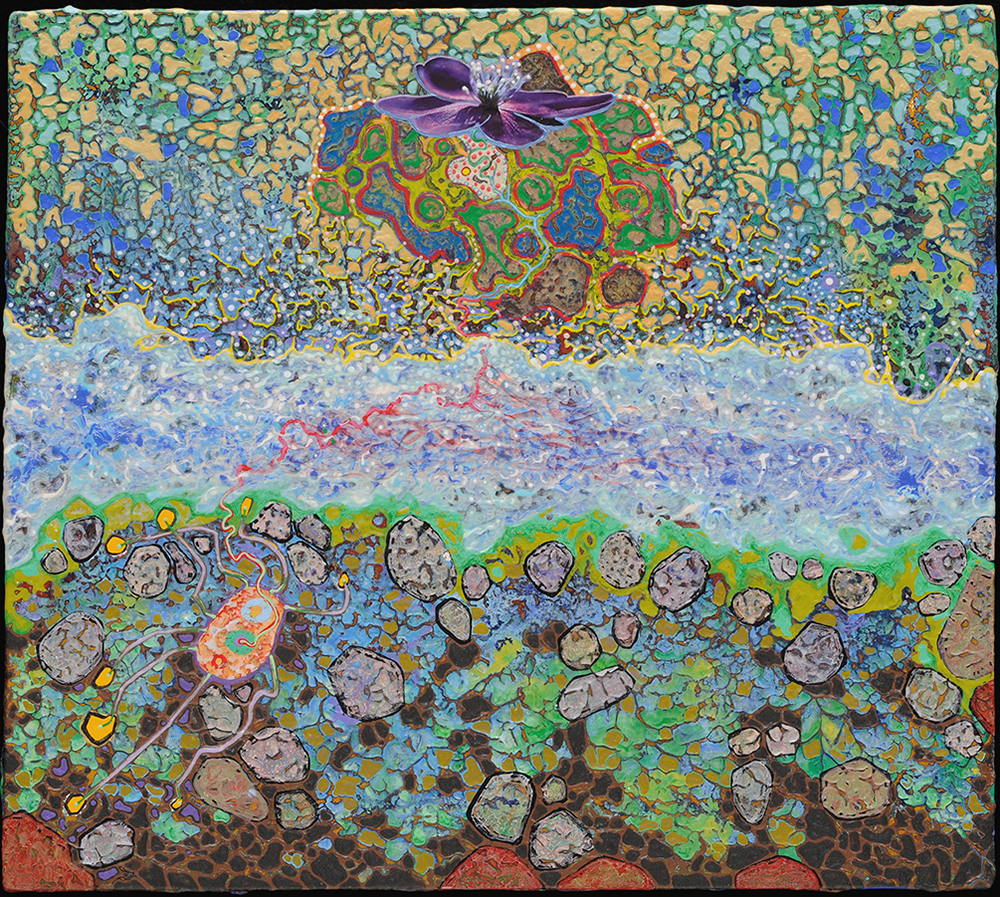
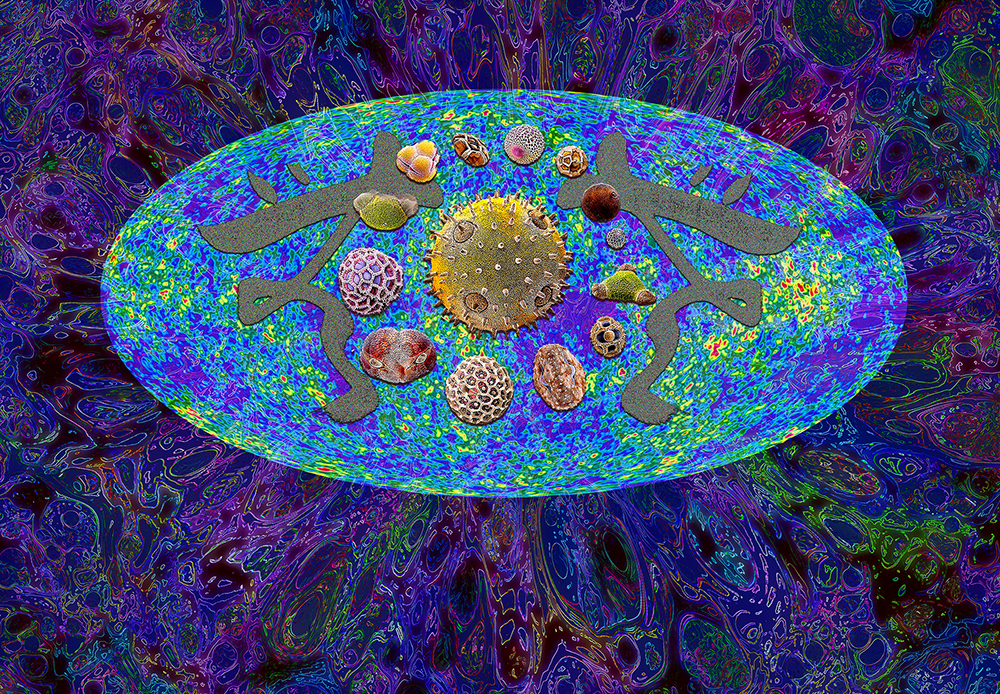
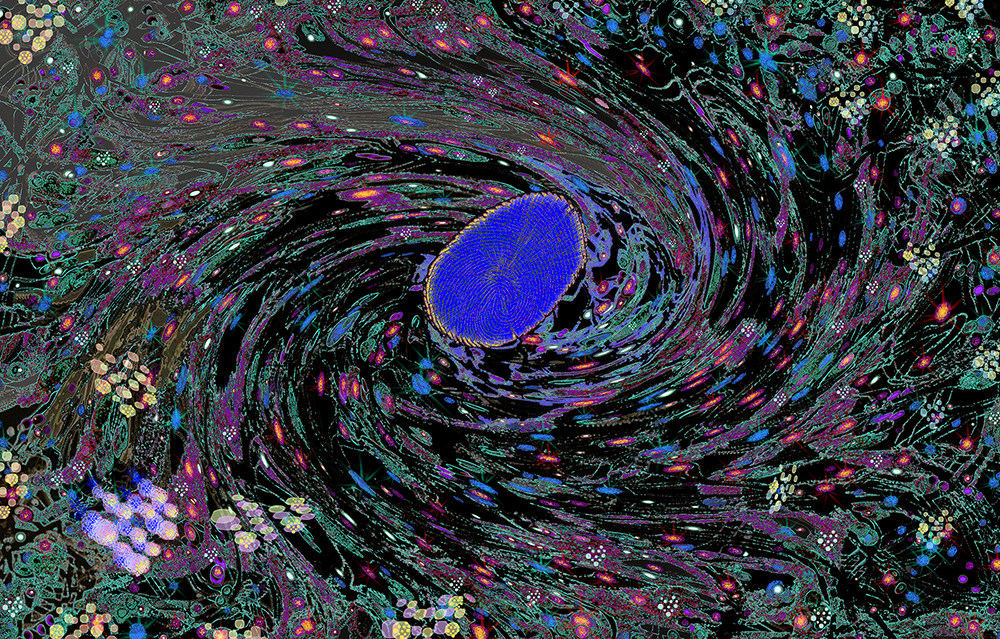
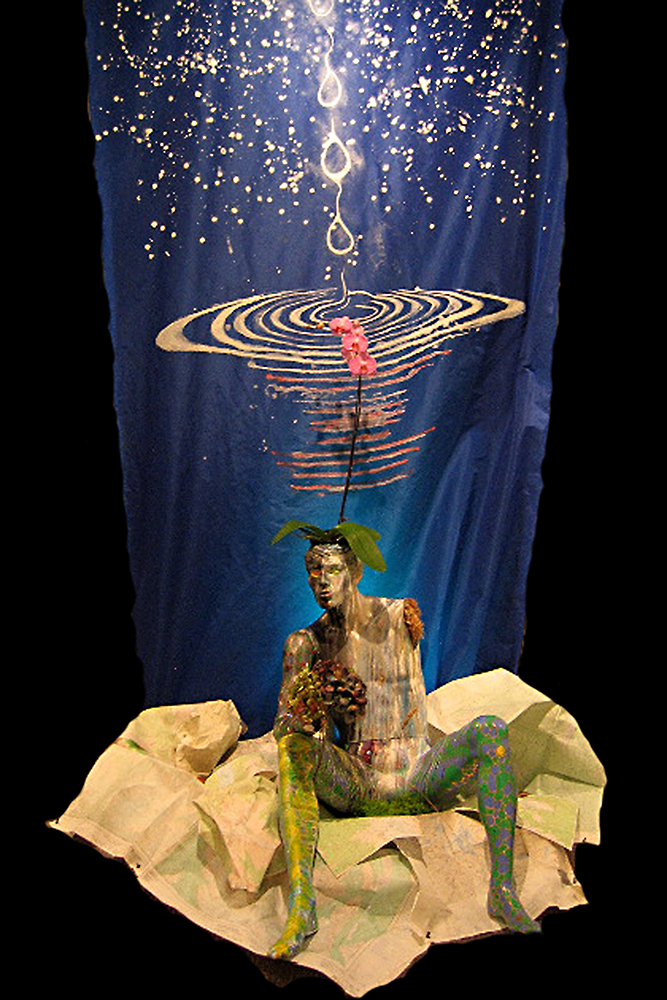
"Nature—nonlinear, complex and dynamic—is the phenomenal, cognitive, intuitive, and reciprocal ingredient for me as an artist. Essentially this is the Generative Order, from which I become humble when I try to understand, even a small corner of a web of interconnected, symbiotic elements and relationships, each of which is inter- or intra-dependent on a majority of others in the biosphere and cosmos. In my art, I work with the elements of the natural system and rearrange them. I try not to do any harm to the source, while I hope that the objects I create let us see the human-nature experience in a compact and expansive form. Nature is the symbiosis of the flux of chaos, mystery and organization. Our rational experience of nature is the challenging element. We are the wild cards in the natural deck, put here to test nature's resiliency. We fool ourselves into thinking that we can impose order on a system that nature already has functioning in a flowing existence. Through my art I try to bring myself closer to the source, to make my- self see the cosmos as it is, and to celebrate the energy and mystery in sensuous detail. By doing so, I hope my audience will see it - self in a new, more connected way. Human art gives us glimpses of the truth that art is nature."
|
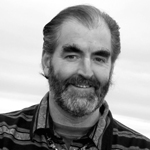
Gordon Wood - Art’s Nature
“Human art gives us glimpses of the truth that art is nature.” – GW Gordon Wood's art celebrates nature. As he says, "Nature—nonlinear, complex and dynamic—is the phenomenal, cognitive, intuitive, and reciprocal ingredient for me as an artist." We humans are physical and biological beings, strands in the web of life. We are also more than this nature, achieved through the evolutionary emergence of culture and thought, the latter transcending and embracing the physical and biological domains. (Destroy all culture, molecules and life-forms remain; destroy all life-forms and culture is no more.) Surprising as it might sound, nature is in culture and not the other way around.1 We do well to see that along with all the glorious cognitive and cultural advances, human history has maintained for millennia an impulsion to impose order and control upon nature. Culture and thought have not simply nor neatly transcended and embraced biological and physical nature, but have striven to dominate it, resulting in an unhealthy fit that is now coming to the fore with the ecological crisis. 2 Wood himself has a unique view of this problematic:
Wood's art discloses nature, not in the mode of a scientific truth, but in the equally important if undervalued manner of an artistic truth—a truth that shines forth in voiding the impulse to control or escape from our natural condition: nature instead serving as art's model of a primordial generativity, overflowing fecundity, and affirmation of being. This is an art that profoundly heals the nature/culture divide. 3 Michael Schwartz 1 On the evolutionary emergence of the phyiosphere, biosphere, and noosphere, each new domain transcending and embracing what has come before, see the opening of Ken Wilber's Sex, Ecology, and Spirituality. 2 The German critical theorists Max Horkeimer and Theodor Adorno, in their dark mid-twentieth century classic The Dialectic of the Enlightenment (1947), explained how this impulsion to control nature has resulted in humanity's alienation from the natural world on the one hand and on the other in humanity's self-alienation from its own natural constitution. ISE Teacher Saniel Bonder expounds a similar, if more luminous, narrative of humanity's " hyper-masculine" epoch, a period from early civilization to the present, informed by unconscious impulses to control nature, fix the self, and/or escape the world -- the latter being found in many forms of spiritual practice. 3 In integral theory, one of the post-rational waves of development, called the centaur, re-integrates the body and the mind. The nature/culture rift being pointed to in this commentary, however, is deeper than what the centauric structure-stage mends, more along the lines of what Bonder calls the "spirit/matter split" (see his book by that title). |
||||||||||||||||||||||||||||||||||