|
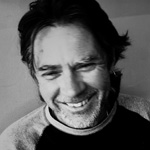
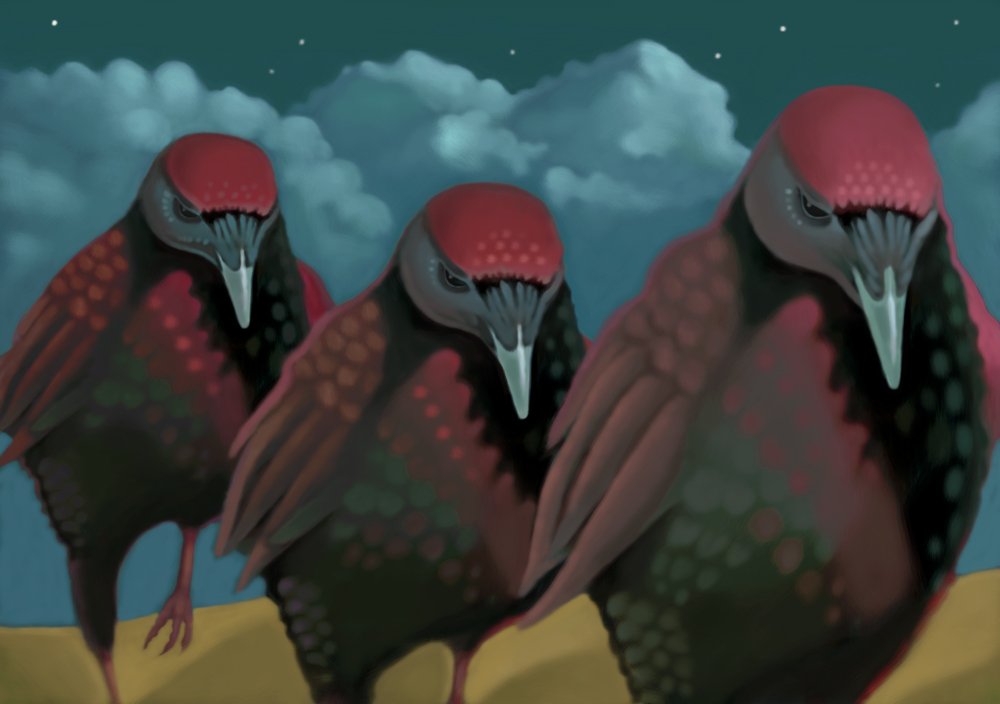
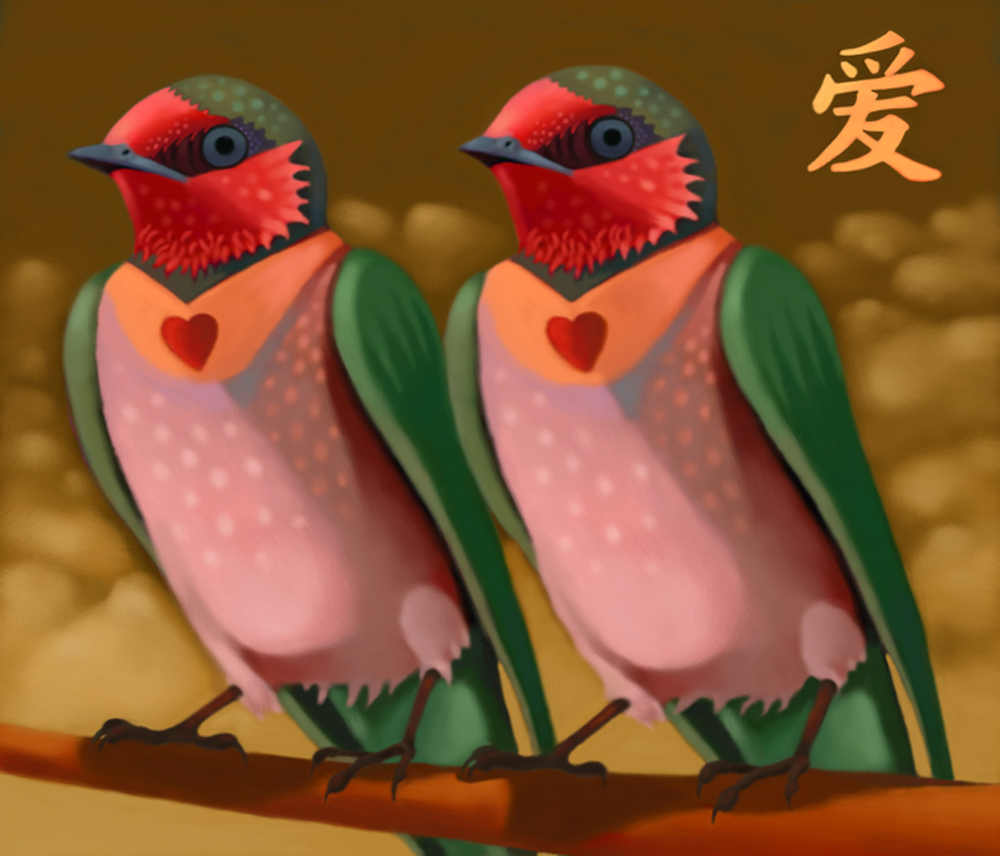
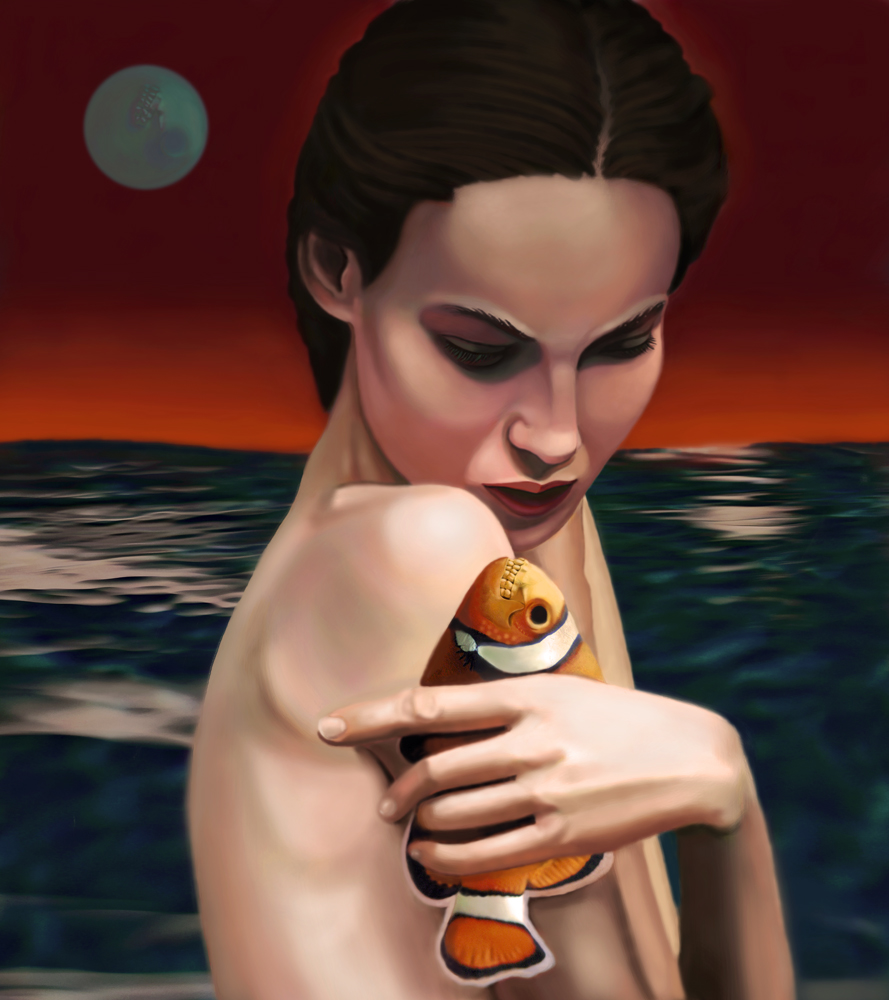
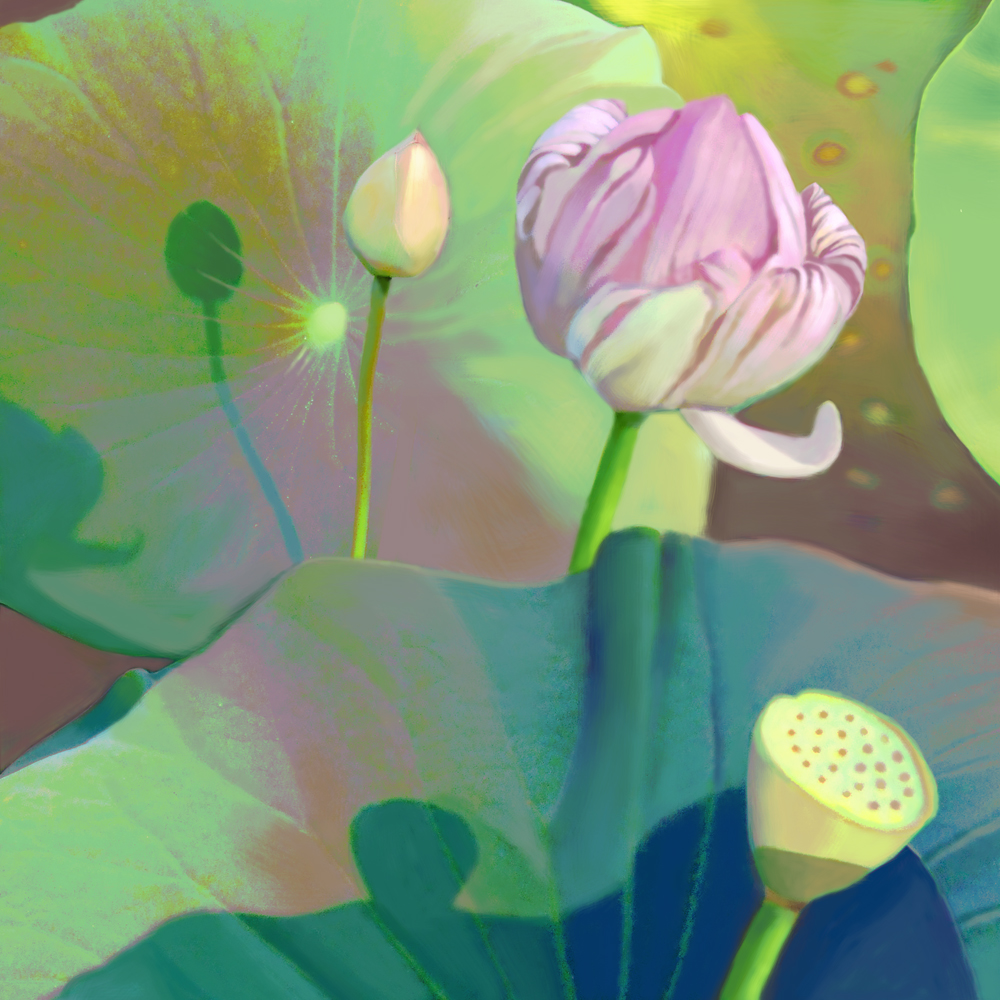
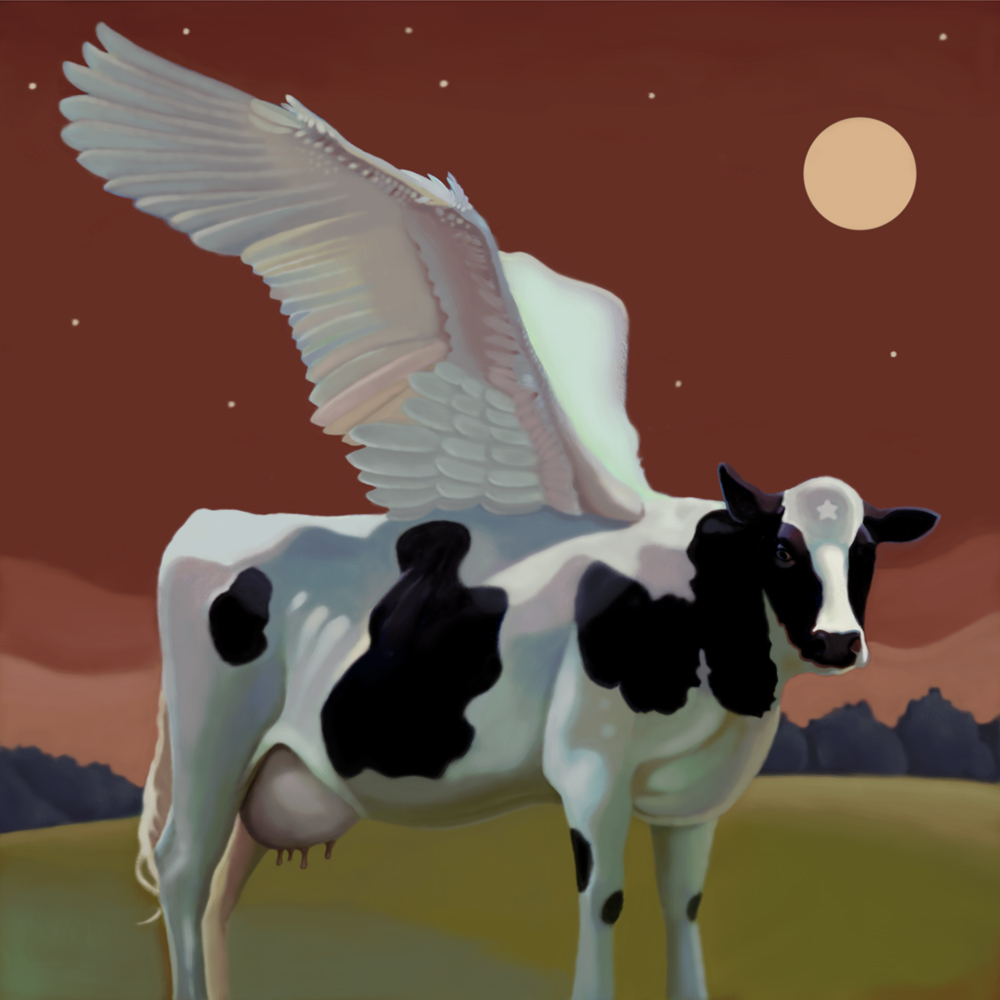
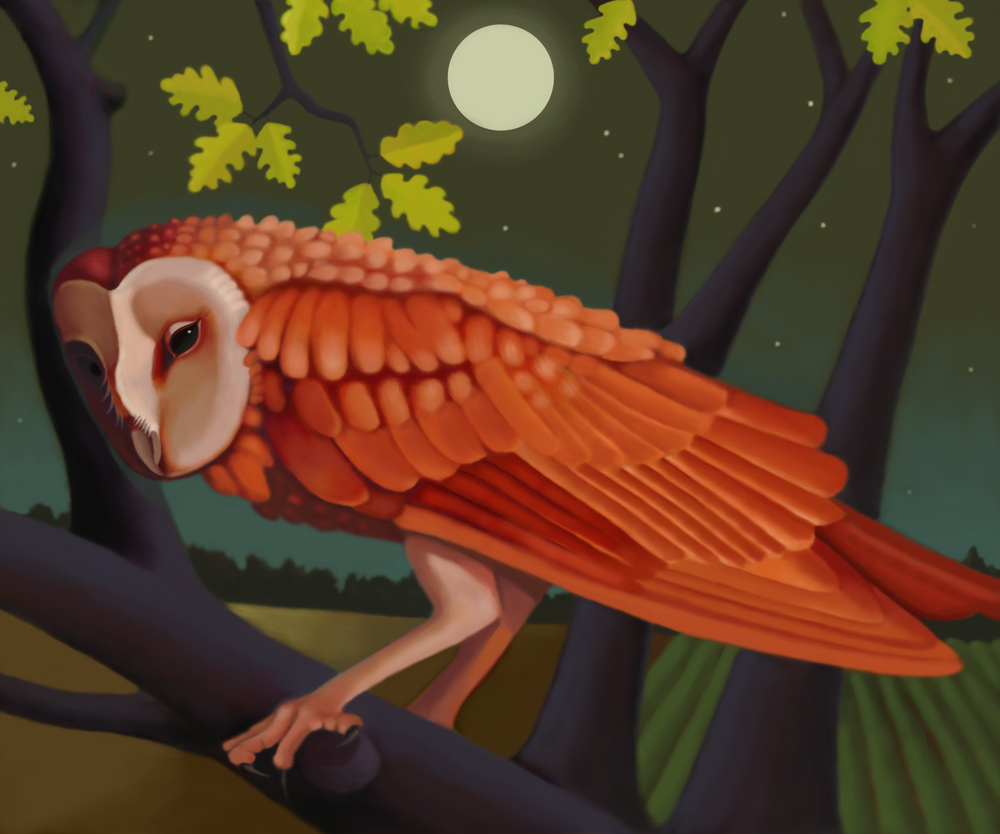
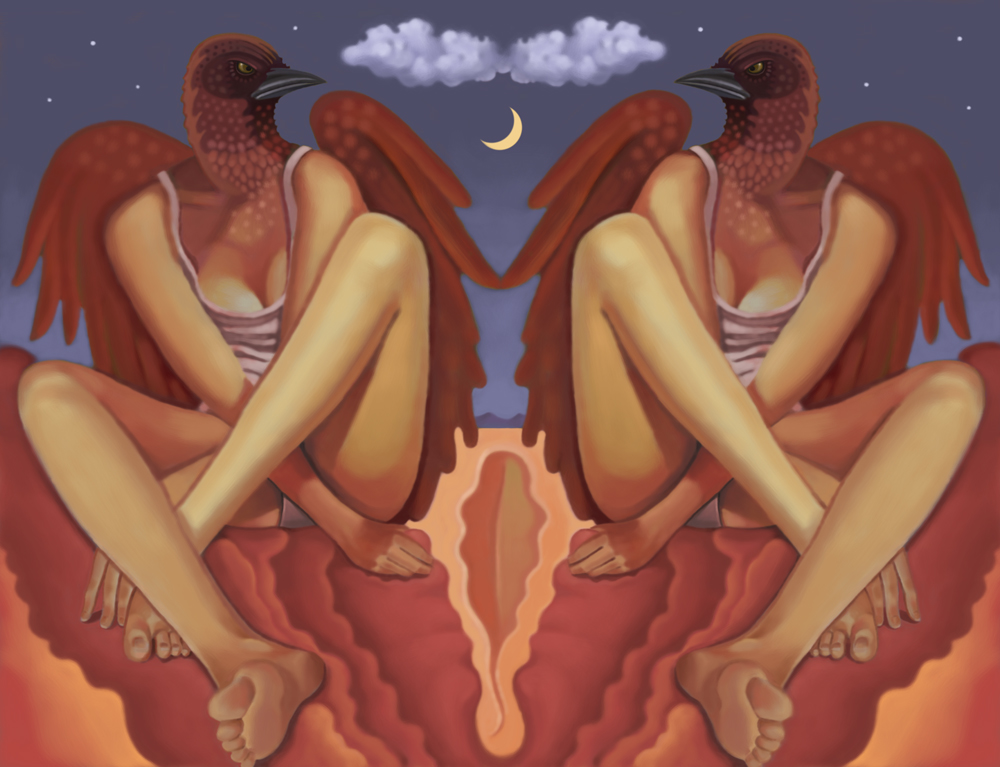
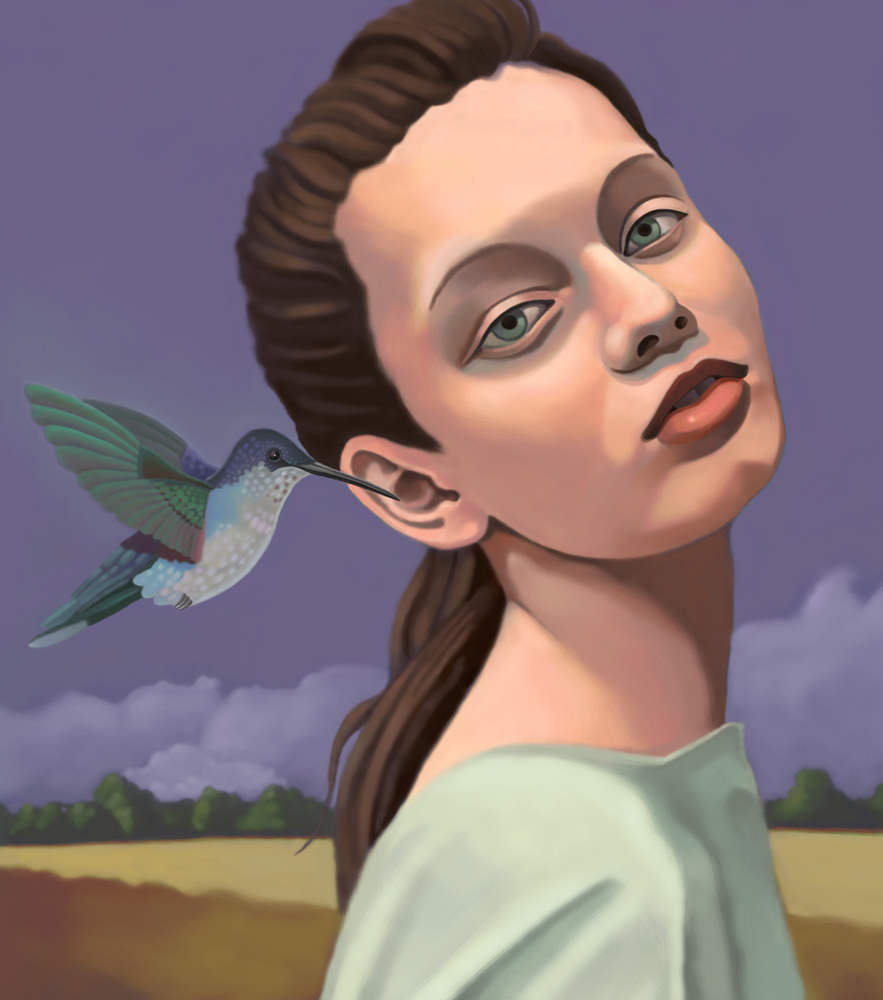
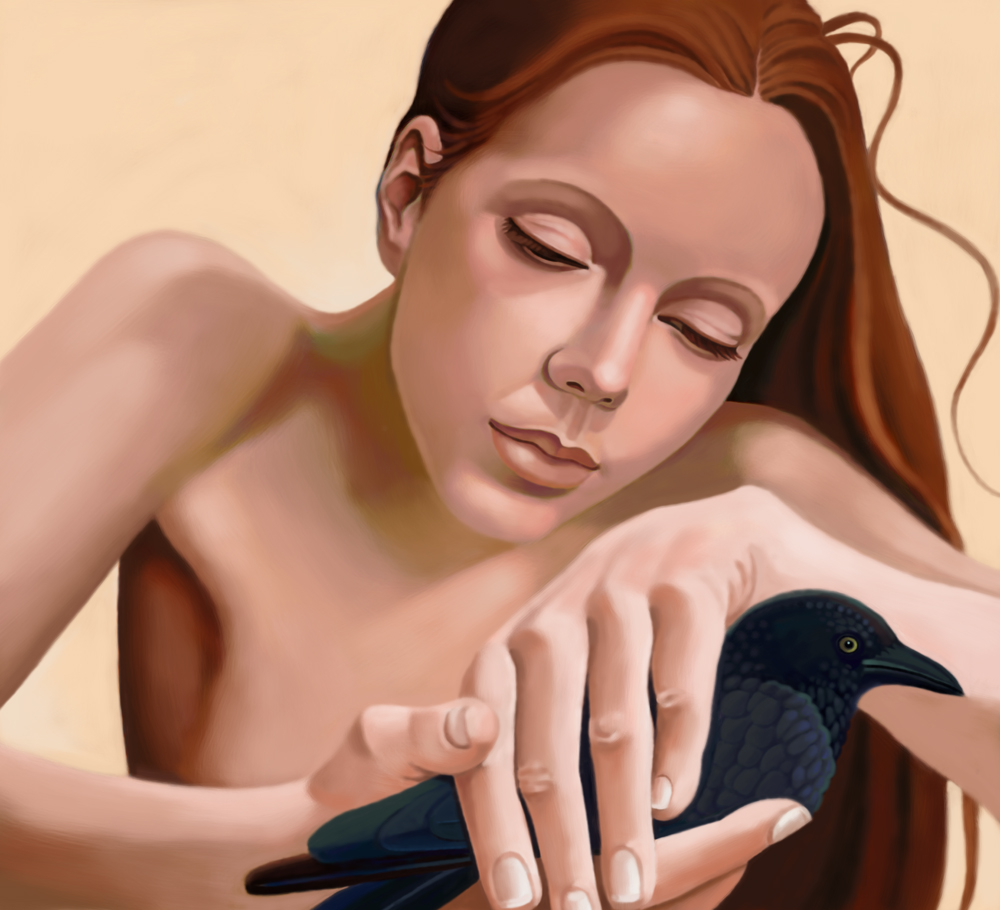
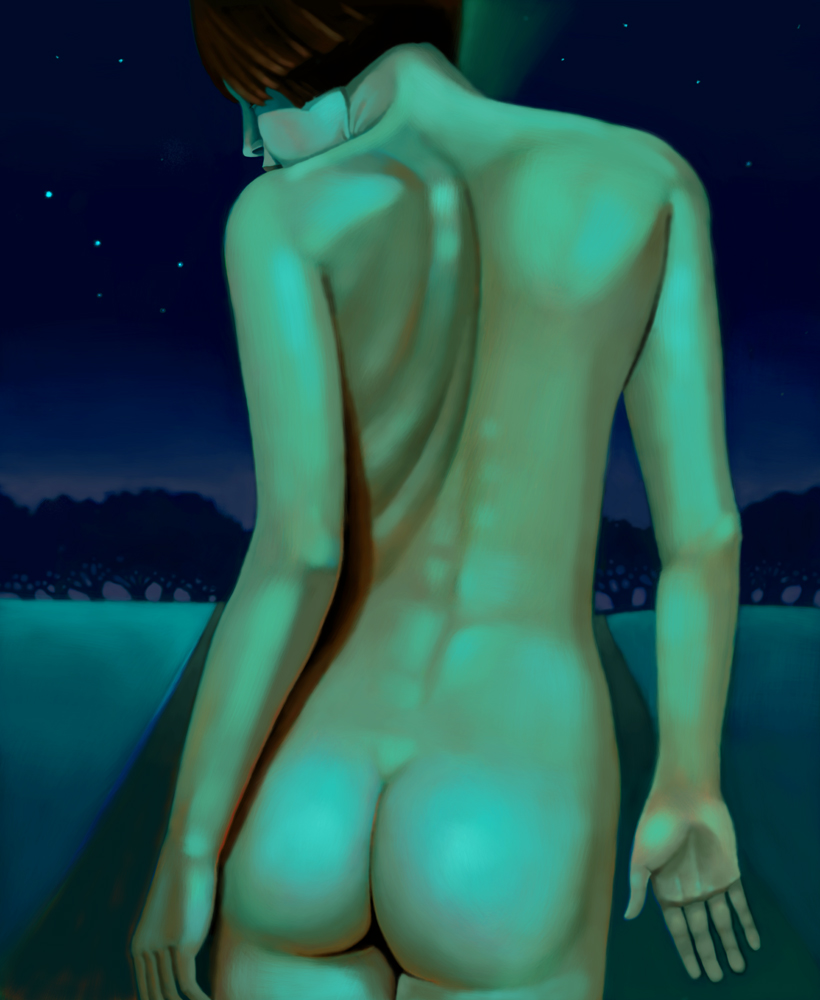
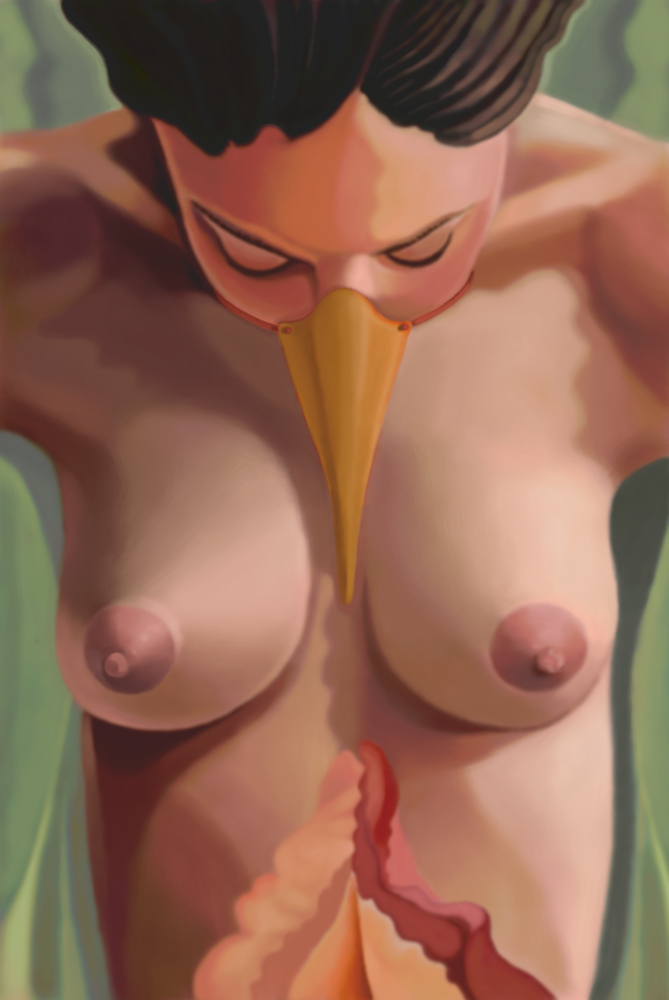
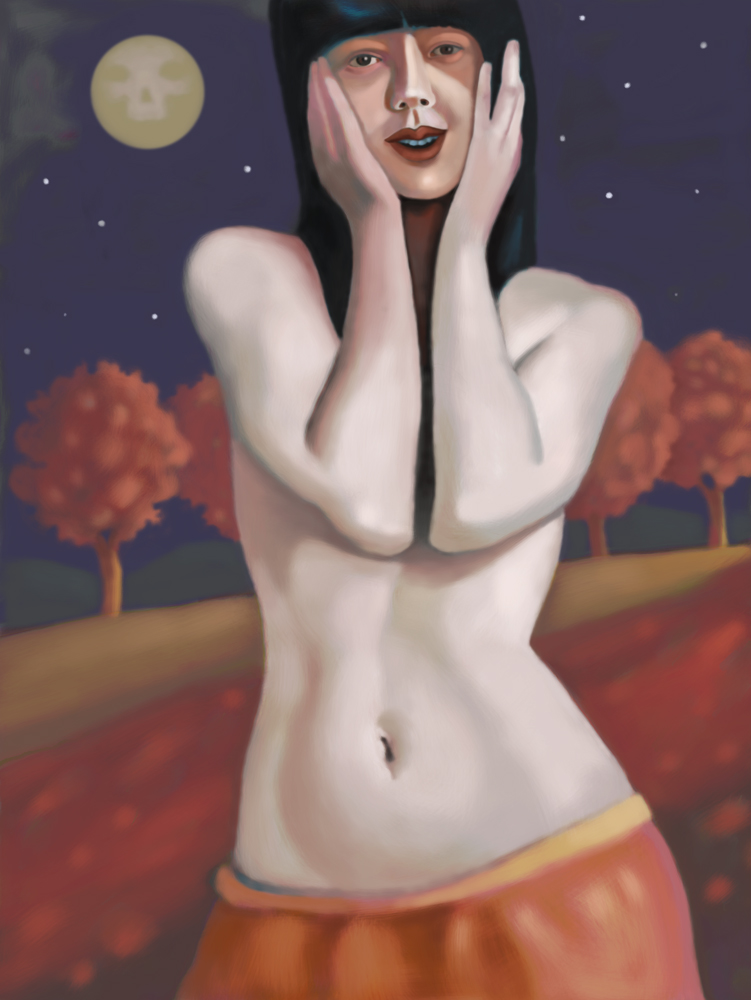
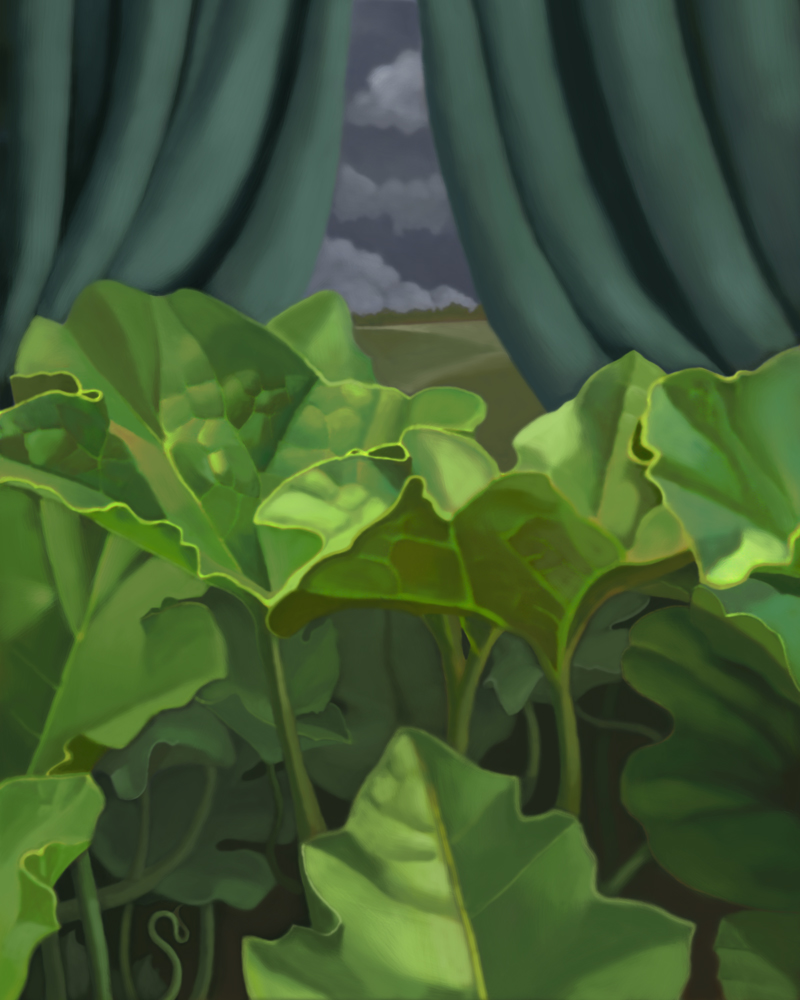
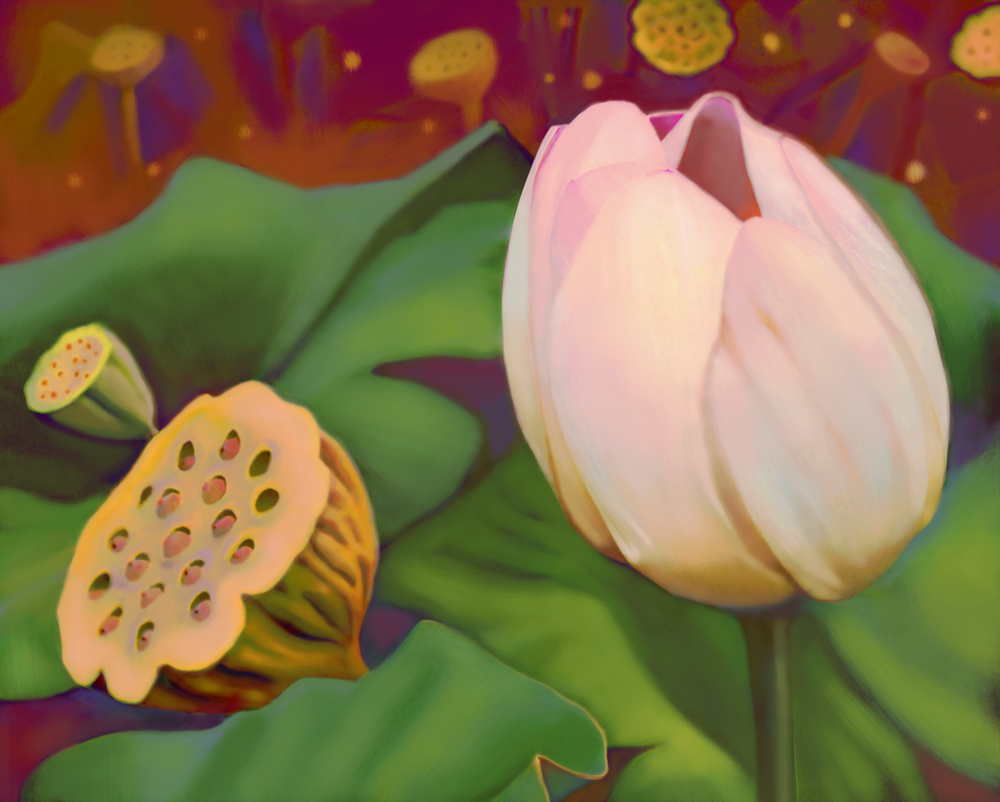
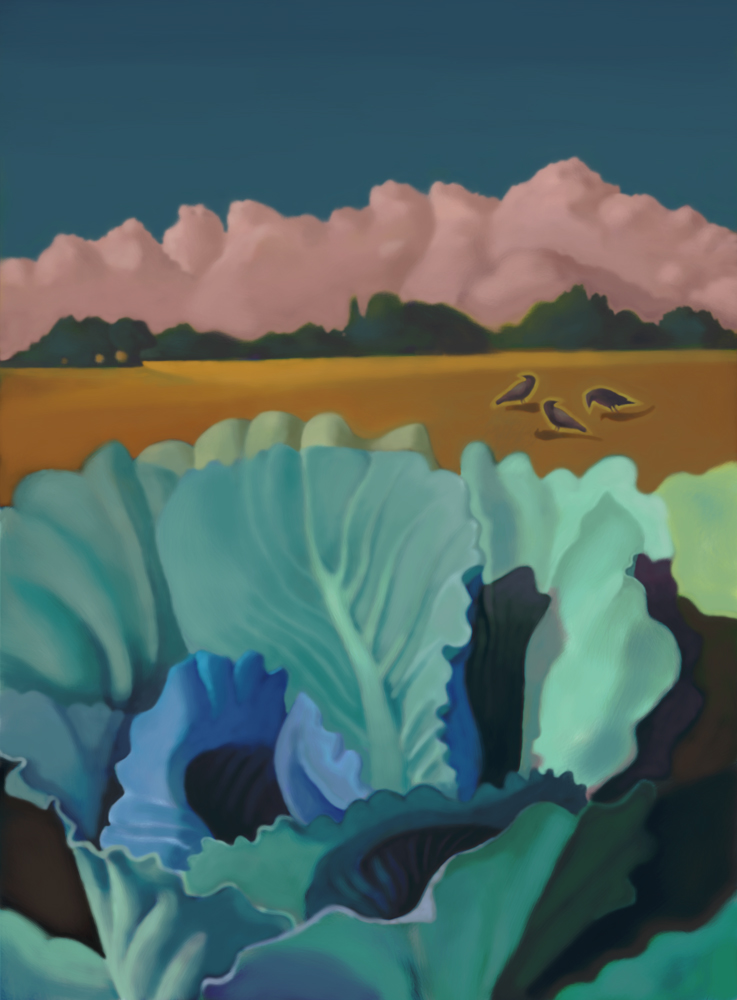
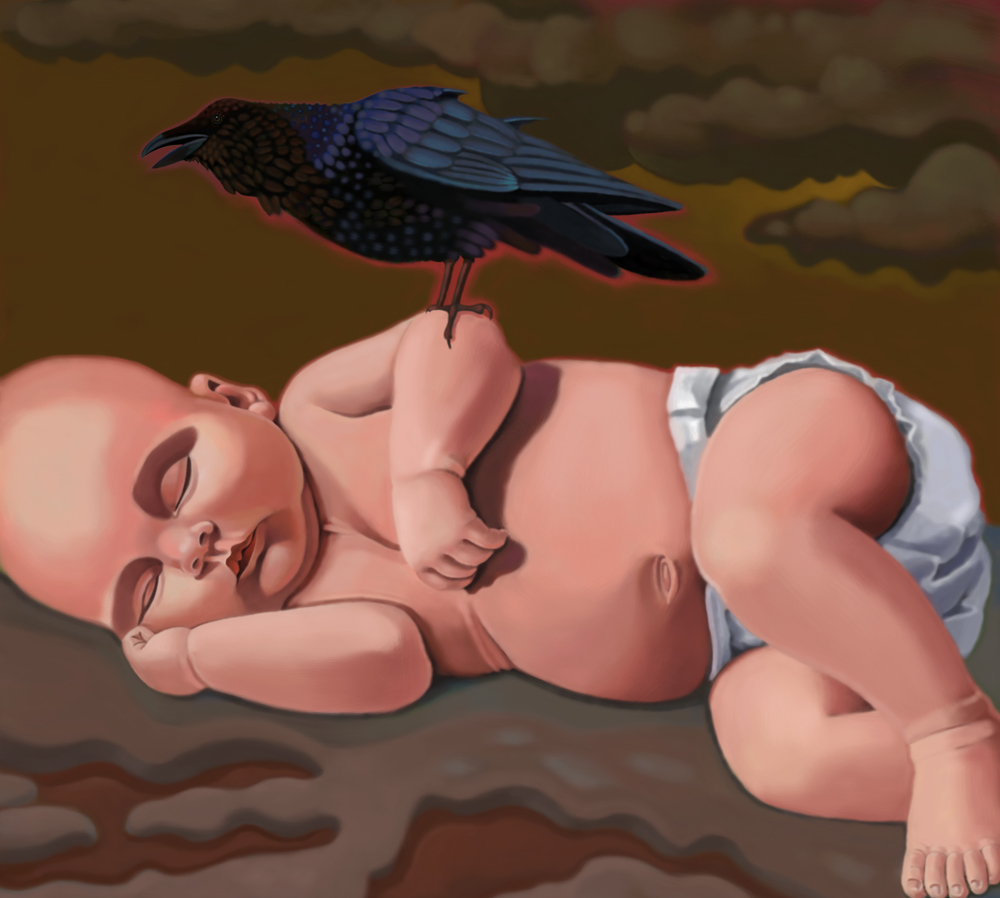
Allowing the creative process to uncover questions regarding my own true nature and my relationship to the world has become a freeing experience. Through the recognition of my personal role as an artist, I have learned to trust in the varied and unpredictable ways my work manifests itself. Although my skills have evolved since childhood, my communion with form and color has remained consistent and beyond explanation. Birds and the human figure have been appearing in my work of late. I find birds vulnerable, mysterious and beautiful; and, like people, they are varied in their shapes, sizes, color and personalities. It's our shared vulnerability that interests me. We are all dependent on circumstances that are beyond our control. While people spend their whole lives struggling to find security in an increasingly insecure world, birds seem to live carefree embracing the moment not worrying what the future will bring. I sometimes use photo searches on the internet as inspiration. It might be a facial expression, quality of light, or a particular posture of a model that catches my eye. Particular photos will inspire me in new unexplored directions. Or like an oracle, bring to light something that’s been simmering in my mind. My work reflects our longing for the freedom that birds represent and our habitual quest to find permanency in thoughts and ideas. Painting is an act of revelation and discovery and by surrendering to the process I hope to celebrate and embrace our shared ungraspable, inexplicable and mysterious nature. I currently create my work on a 24" iMac 2.8 GHz Computer. With Photoshop as my platform, the bulk of my work is painted with the brush tool, at times I may include photo elements. Photoshop allows me to to adjust colors and manipulate my work in order to create the desired effect I'm looking for. The files are printed on a state-of-the-art Epson printers using archival inks on 100% cotton, acid-free fine art paper in limited editions of twenty or less.
|
Michael Welch | Untamed
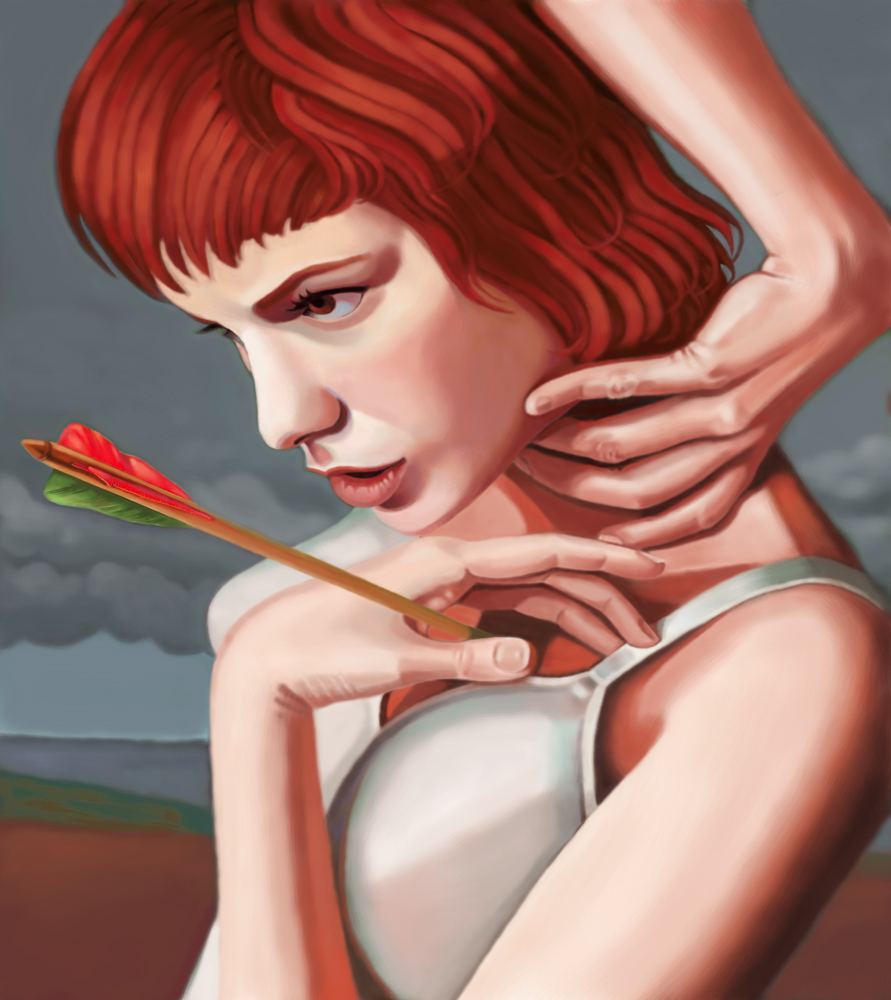
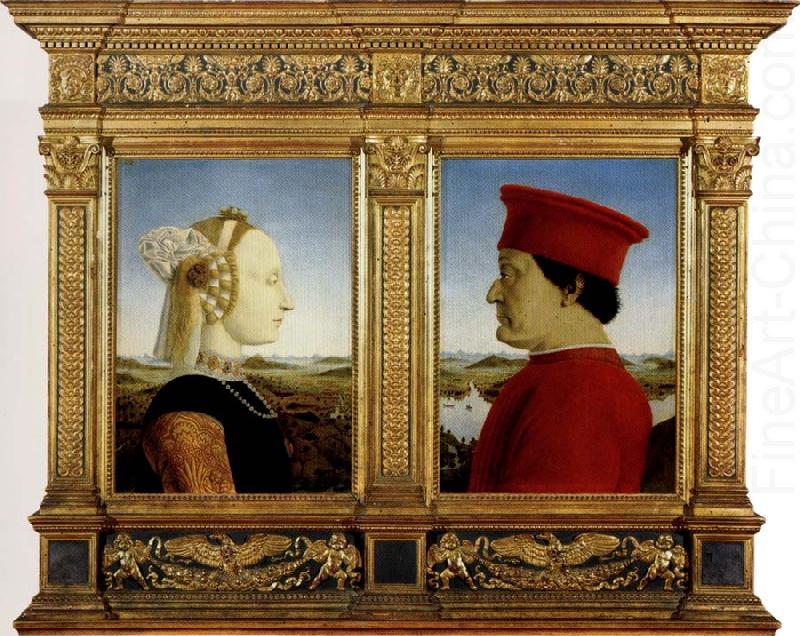
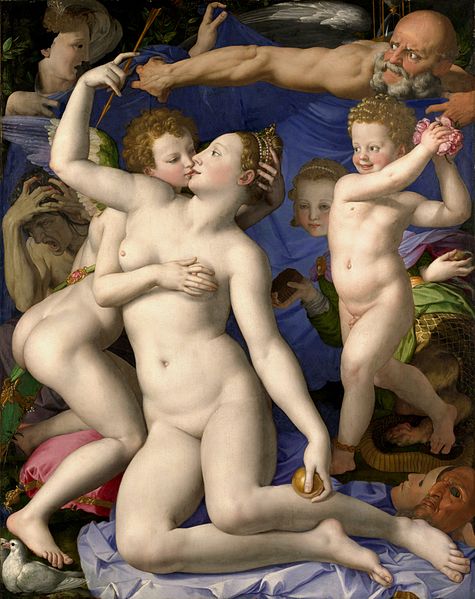
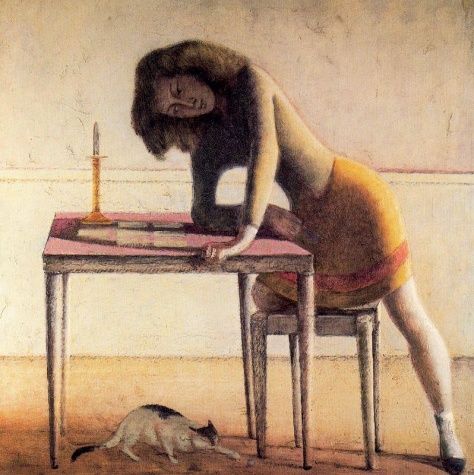
Michael Welch has written an Artist’s Statement (available here) on one of the works displayed in this month’s Integral Life Art Gallery: Eros’s Arrow. For Welch the myth of being pierced by love’s arrow is an allegory of a shift in consciousness beyond one’s control, Desire taking hold and pointing one into Mystery. If we are too literal about the myth, he warns, the power of the arrow “loses its transformative power and becomes lethal.” I want to complement the artist’s reflection through a semiotic interpretation1 of this wonderful work of art. The image-field is a vertical rectangle. A young female figure, seen half-length in profile, and wearing only a bra, is presented in a manner proper to the formats of Western portraiture, examples of which can be found in the early Renaissance. The portrait-feel of the presentation evokes a sense of intimate contact with a specific individual, who, rather than posing, is absorbed in various narrative acts. The figure’s head is located against and “within” a curtain-like grey cloud cover. Her right arm reaches up behind her head, twisting to turn back and touch the left side of her neck—even as this limb cannot be seen to connect to her body, hinting that it is descending from above. The left hand cusps the arrow with fingers extended, decidedly not moving to grasp and pull it out—as if intentionally to allow the “wound” of love to take root. It would be too easy to see the figure’s pose and expression as artistically mannered, along the lines of Bronzino’s great Allegory of Venus and Cupid, c. 1545; or to sense the nakedness of the young woman as racy, as in the complex and ambiguous art of Baltus (e.g., Patience, 1954-55). In a much more integral fashion, the woman in Welch’s image exudes a healthy balanced weave of youthfulness, aliveness, sensuality, sexuality, and thoughtfulness. Her face can at first seem like that of a doll or mannequin, as if the upsurge of Desire transmutes her into an image-media paradigm of what it is to be Woman. Yet more deeply, her lips seem authentically desirous, her eyes showing a Power that has seized control; these same eyes nevertheless revealing a freedom and capacity to contemplate this state. Throughout this extraordinary image indeed various sources and loci of willing and agency, both human and beyond, are set into play -- any final view on the matter left deliciously open. For as Welch says: it is a “question that fortunately can never be completely answered because the real value lies in the mystery.” Michael Schwartz 1See “Looking at the Overlooked,” the section titled Integral Semiotics |
|||||||||||||||||||||||||||||||