Basic HTML Version




64
{ }
O O D L E S O F N O O D L E S
Ramen
Japan
Culture-defining broths
There are over 20 varieties of ramen
in Japan, though each bowl is made
up of four main elements — the broth,
noodles, toppings and the flavor
essence. The bases can be categorized
into
tonkotsu
(pork),
miso
(seasoning
made of fermented rice, barley or
soybeans),
shio
(salt) and
shoyu
(soy
sauce), each pinned to a different part
of Japan. The northern city of Sapporo,
for example, is the birthplace of miso
ramen, while Hakata in the south-
western island of Kyushu is known
for its rich tonkotsu ramen. Typically
served in roadside stalls and small bars,
ramen is the ultimate comfort food for
a culture with such a distinctly varied
population. The dish is also practical:
loud slurps of the wheat-based noodles
in thick broth were designed to help the
Japanese get through harsh winters.
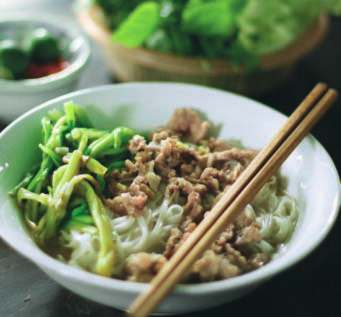
Pho
Vietnam
The original fusion dish
Pho was created in an area south-
east of Hanoi to meld Vietnamese
preferences with French tastes. It went
mainstream — and upscale — only in
the 1920s when the first pho restaurant
opened in Hanoi. The intention to cater
to different tastes might also have been
a reason for the interactive method of
serving the noodle soup: a piping bowl
of Cantonese-style rice vermicelli is
served with
bo
(beef) or
ga
(chicken),
and an array of ingredients diners could
add on their own — mainly sweet
basil, sawtooth herb, cilantro, lime and
bean sprouts. In southern Vietnam,
where pho is sweet, hoisin and Sriracha
sauces are often added.
PHOTOS
LESTER LEDESMA (PHO), GETTY IMAGES (RAMEN)
Thin slices of beef or chicken
are the usual toppings for
pho, but meatballs, tendon or
tripe can also be added
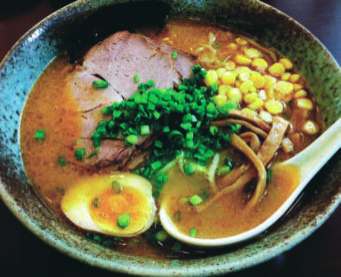
Ramen broth can have a
pork, miso, salt or soy sauce
base