Basic HTML Version


GW—
37
I
n London, British heritage
has become the theme of the
year. With theQueen’s
Diamond Jubilee celebrations in
June and the LondonOlympic
Games in high summer, all eyes
are on theUK capital in 2012.
British traditions are
experiencing a renaissance, from
teacakes to the equestrian trend
in fashion prints. Visitors to the
capital too are looking for some
authentic British heritage,
especiallywhen shopping for
souvenirs to take home. So in an
age when every high street in
Europe is filledwith the same
international megabrands, it is a
delight to find among the busy
streets of central London a small
spot that captures original
Britishness with amodern twist:
SevenDials.
Although it’s onlyminutes
fromCovent Garden’s bustling
shoppingmall and one road from
the famousWest End theatres of
Shaftesbury Avenue, SevenDials
feelsmore like a village than part
of a hecticmetropolis. It has a
calmer pace than Soho and a real
sense of community. The area
consists of seven streets radiating
from the central SevenDials
Monument, a pillar featuring six
sundials (the original planwas to
have just six streets), with a few
squares tucked away behind the
narrow streets. The area has gone
from fashionable homes for the
wealthy to low-rent workers’
housing and back to prosperity.
It famously features inCharles
L O N D O N
SHOPPING FOR BRITAIN
In the backstreets of London’s busy West End, the Seven Dials area
offers a truly British shopping experience, with heritage brands,
historic sites and a taste of what makes the capital great
Dickens’
Sketches by Boz
, the great
Victorianwriter’s collection of
typical London scenes: ‘The
stranger who finds himself in the
Dials for the first time… at the
entrance of seven obscure
passages, uncertainwhich to take,
will see enough around himto
keep his curiosity awake for no
inconsiderable time.’
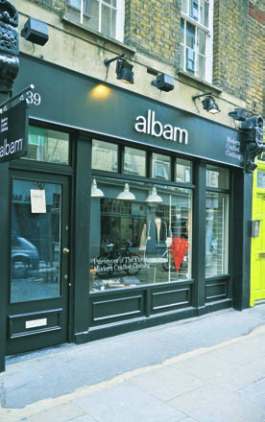
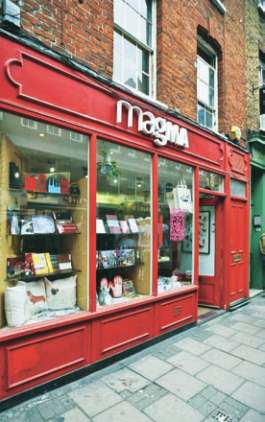
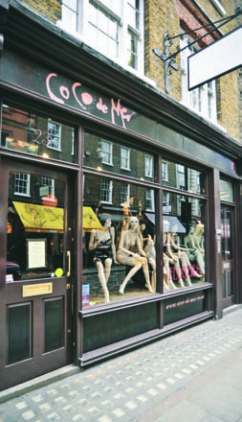
Today, however, the small
streets of SevenDials are lined
with independent stores that each
present a different interpretation
of what British heritage canmean
in 2012. One such store is the
Neal’s YardDairy, whichwas
opened in 1979 byNicholas
Saunders, later taken over by
RandolphHodgson, and became
a forerunner of the English
whole-foodsmovement. It
specialises inEnglish and Irish
cheeses such asWest Country
Cheddar and Stinking Bishop.
The story goes that JohnCleese,
then part of the seminal British
comedy groupMonty Python,
was one of the shop’s first
customers; the Pythons had an
office-studio in SevenDials, in
Neal’s Yard just aboveNeal’s Yard
Remedies (which usesmainly
English plants and herbs for its
skincare products). The spot is
todaymarked by a
commemorative plaque.
The English like to say that
Monty Pythonwas to comedy
what the Beatles were tomusic,
and indeed the area also has a
connection to Liverpool’smost
famous export. BrianEpstein, the
Fab Four’smanager, who Paul
McCartney once called the ‘fifth
Beatle’, had an office on
Monmouth Street for a while in
the sixties.
But it’s not all about history
here. You’ll also findmodern
labels like jewellery cult brand
TattyDevine, which only
launched in 1999 but has already
become famous throughout the
world due to LadyGaga and other
celebrities sporting its neon
colours and bold plastic designs.
The two designers behind the
brand, RosieWolfenden and
Harriet Vine, were spotted
around Londonwearing these
crazy pieces of ironic jewellery,
and approached to start their own
collection. Ironic jewellery – how
very British! Look out for their
timely Jubilee collection and
limited-edition designs in
cooperationwith their favourite
artists such as the Scottish pop
group Belle and Sebastian. Many
products are limited editions or
handmade, yet still affordable,